Which voices can you use with GPT-4o mini TTS?
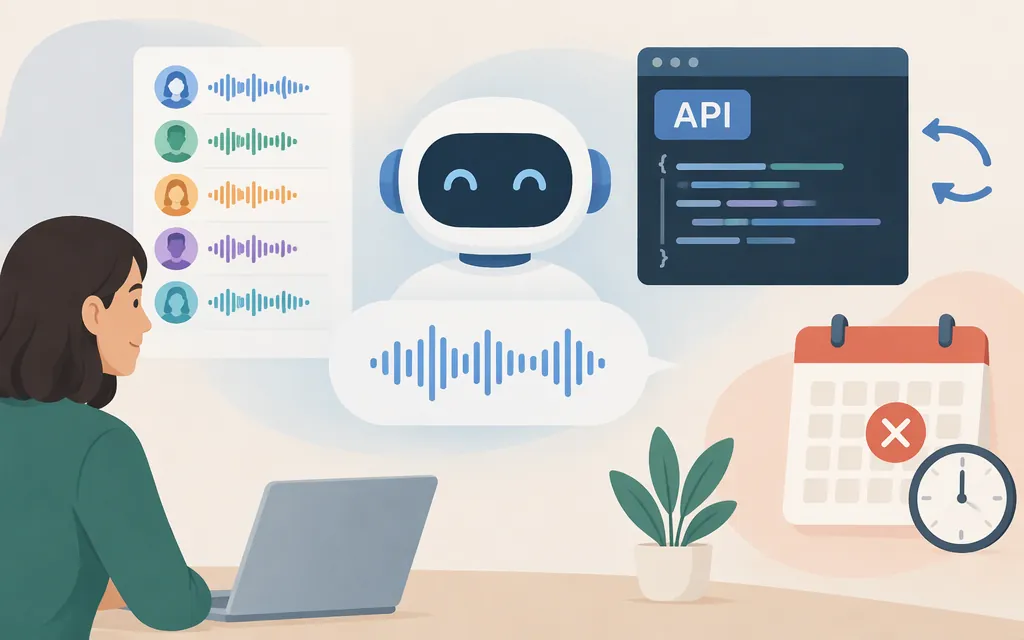
The documentation does not give a consistent, model-specific voice inventory. OpenAI’s text-to-speech guide says GPT-4o mini TTS has 11 built-in voices and demonstrates coral in an SDK example. The Speech API reference lists 13 built-in voices for the endpoint overall: alloy, ash, ballad, coral, echo, fable, onyx, nova, sage, shimmer, verse, marin, and cedar. The available documentation does not establish which 11 the guide means or confirm that every endpoint-listed name works with this model. In particular, do not assume marin or cedar are supported by GPT-4o mini TTS based on the endpoint-wide list alone. (Text to speech guide; Create Speech reference)
Coral is the voice identified in the guide’s GPT-4o mini TTS example. The sources cited here do not provide reliable descriptions or comparable samples for each voice, so they do not support recommending one for a particular accent, personality, or use case. For a practical comparison, use the same short script and listen for sound, intelligibility, and accurate pronunciation of names or terms that matter to your application. Treat that as your own evaluation, not as evidence that every endpoint-listed voice is compatible with this model.
Select a voice with the Speech API
The guide demonstrates GPT-4o mini TTS with the Audio Speech endpoint, POST /v1/audio/speech, using coral. The example below explicitly requests MP3 output so the file extension matches the requested format. Use coral as the documented model example; the endpoint-wide list above should not be read as confirmation that its other names work with this model.
Set OPENAI_API_KEY in your environment and install the Python SDK (pip install openai), then run:
from pathlib import Path
from openai import OpenAI

client = OpenAI()  # Reads OPENAI_API_KEY from the environment
speech_file = Path("speech.mp3")

with client.audio.speech.with_streaming_response.create(
    model="gpt-4o-mini-tts",
    voice="coral",
    input="Your sample text goes here.",
    response_format="mp3",
) as response:
    response.stream_to_file(speech_file)

print(f"Saved audio to {speech_file}")
The file is saved as speech.mp3 in the current directory. The guide also demonstrates an optional instructions field for delivery direction; do not treat a requested style as a guaranteed voice characteristic. Before deploying, confirm the request details against the current text-to-speech guide.
Production status: scheduled shutdown
OpenAI’s text-to-speech guide says GPT-4o mini TTS is deprecated and scheduled to shut down on January 6, 2027. The guide says existing Speech API workflows can be used until shutdown. If your production system depends on this model, plan and test a migration before that date. The documentation cited here does not establish a verified replacement workflow, so check OpenAI’s current migration guidance before choosing a replacement. (Text to speech guide; Deprecations)