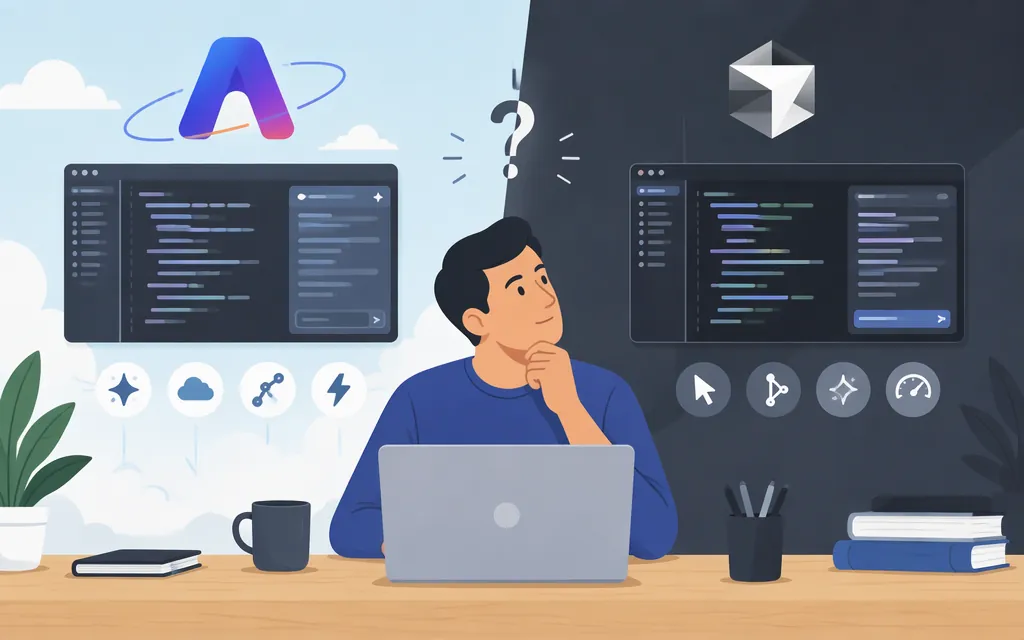
Compare Antigravity and Cursor for delegated coding, guided edits, API work, pricing, and company-code use. See what current documentation establishes—and what remains anecdotal.
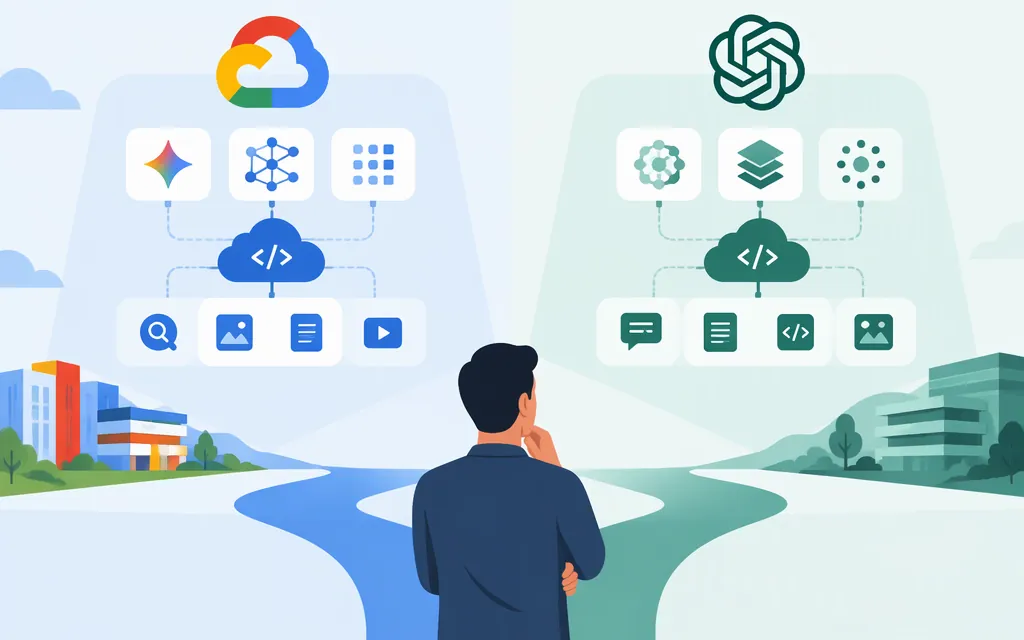
Find a suitable ChatGPT or API model for everyday use, reasoning, coding, long documents, voice, or production workloads—with current access, context, and pricing distinctions.
Learn what Qwen refers to, how to choose between Qwen-Image 3.0 and Pro, and how to check production API fit using Alibaba Cloud Model Studio documentation.
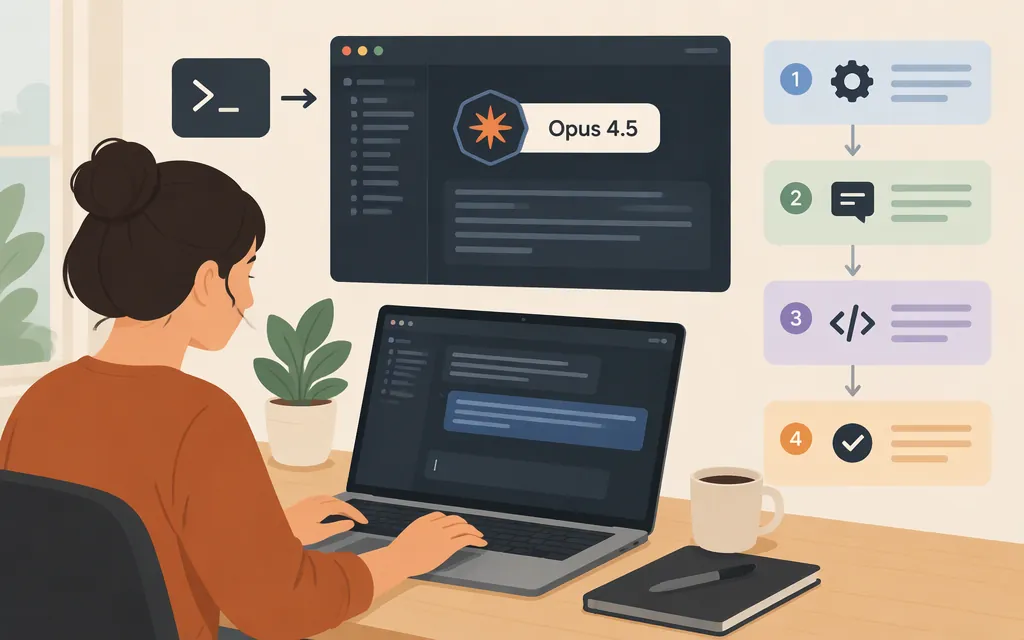
Learn what Claude Code auto-compact does, how to adjust its window, what historical failure reports do—and don’t—show, and how separate beta compaction features work in the Claude API.
Is Grok 4 Fast free? Learn the difference between limited free Grok access, platform offers, user-pays access, and paid API usage—and how to estimate the replacement model’s cost.
Learn what web search in Claude Code means, how it differs from search in a Claude API application, and what to verify before choosing a production approach.
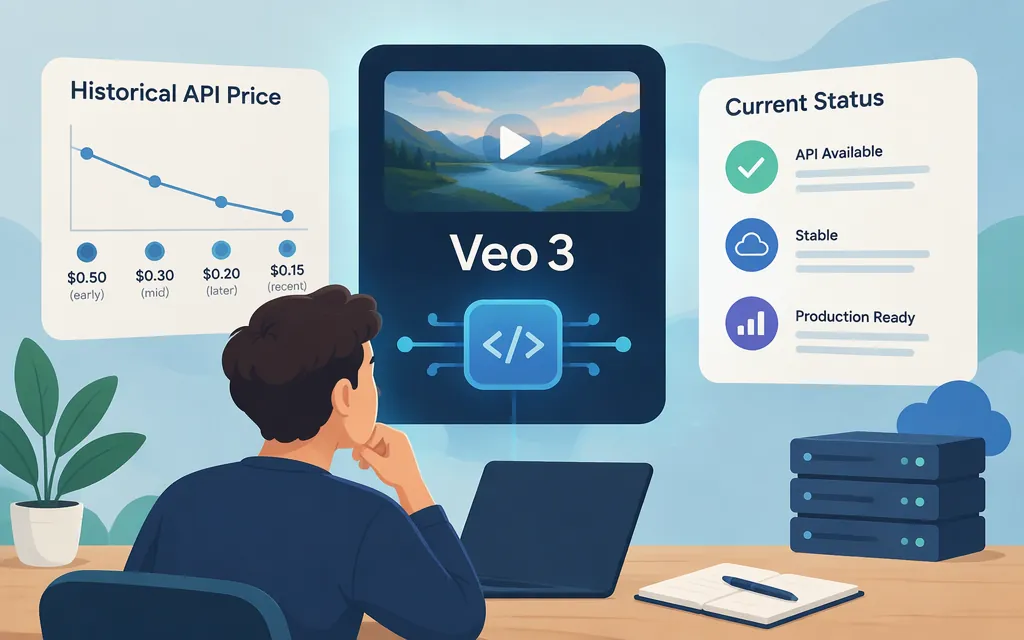
Google announced Veo 3 at $0.40 per second in September 2025. That historical rate is not a verified current production quote; Google Cloud later retired the original Veo 3 endpoint and recommends Veo 3.1, whose applicable production price could not be confirmed here.
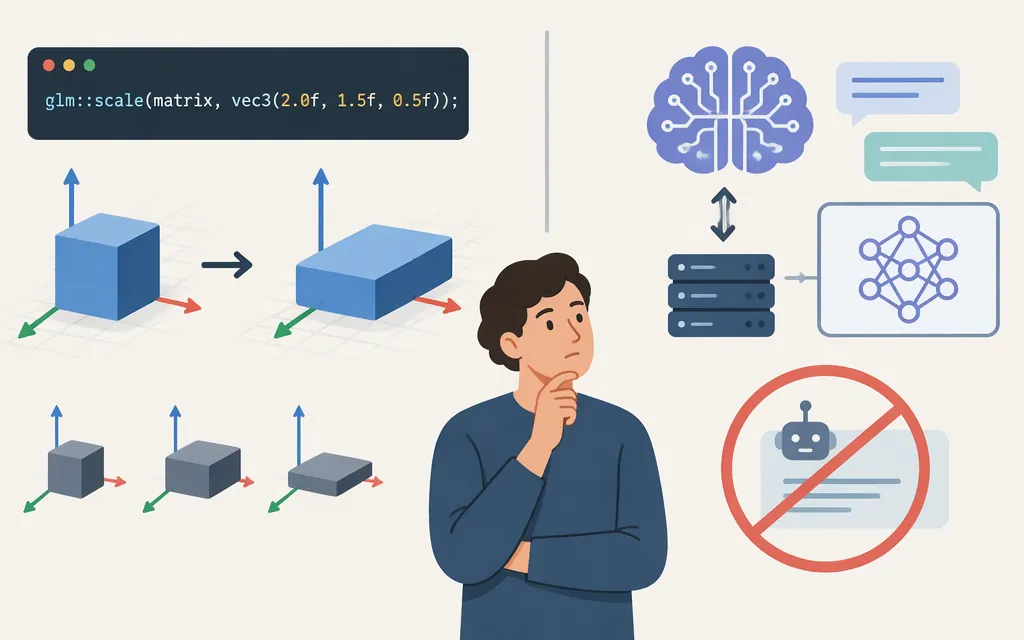
Learn what glm::scale means in the GLM graphics-math library, see a basic C++ example, and understand why it should not be confused with GLM language models or their APIs.
Learn how Gemini API free-tier limits vary by model and project, where to check your active quotas, and how free access differs from paid API billing and Gemini app subscriptions.
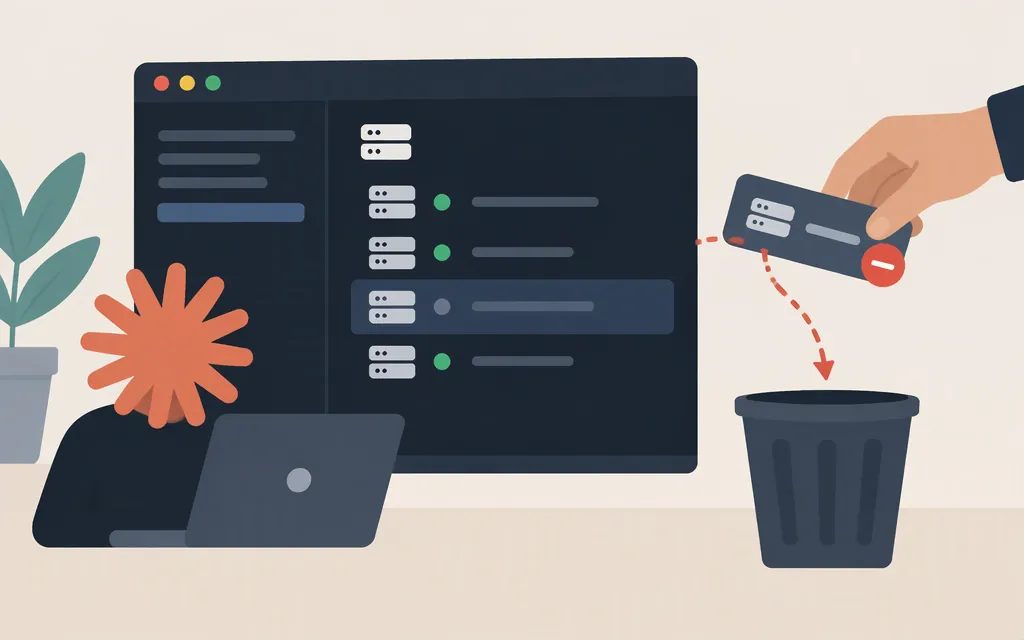
Use Claude’s web controls to select and delete multiple conversations, then check for any that remain. Learn what chat deletion does—and doesn’t—remove.
Compare Claude Opus 5.5 and Gemini 3.1 Pro Preview by documented capabilities, API fit, and cost—without treating unverified prices or performance claims as settled.
As of November 9, 2026, OpenAI’s Sora web and app experiences and Sora API have been discontinued. Learn what that means for tutorials, API code, saved videos, and planning a video prompt.
Find Google’s Veo API route, start a Python integration with the Google Gen AI SDK, and check model support and production requirements before shipping.
GPT-5-Codex is shut down, and Claude Code is a coding agent—not a model API. Compare current API alternatives, integration routes, costs, and how to evaluate them for production.
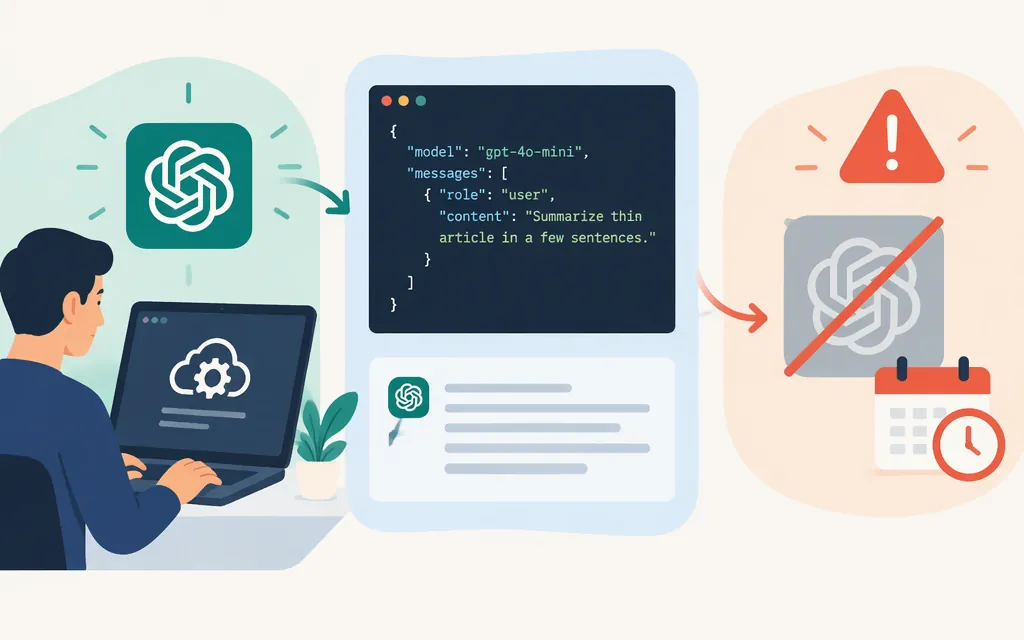
Learn how to call GPT-4o mini through OpenAI’s API, see a minimal Python example, and understand its deprecated status, documented capabilities, and practical error checks.
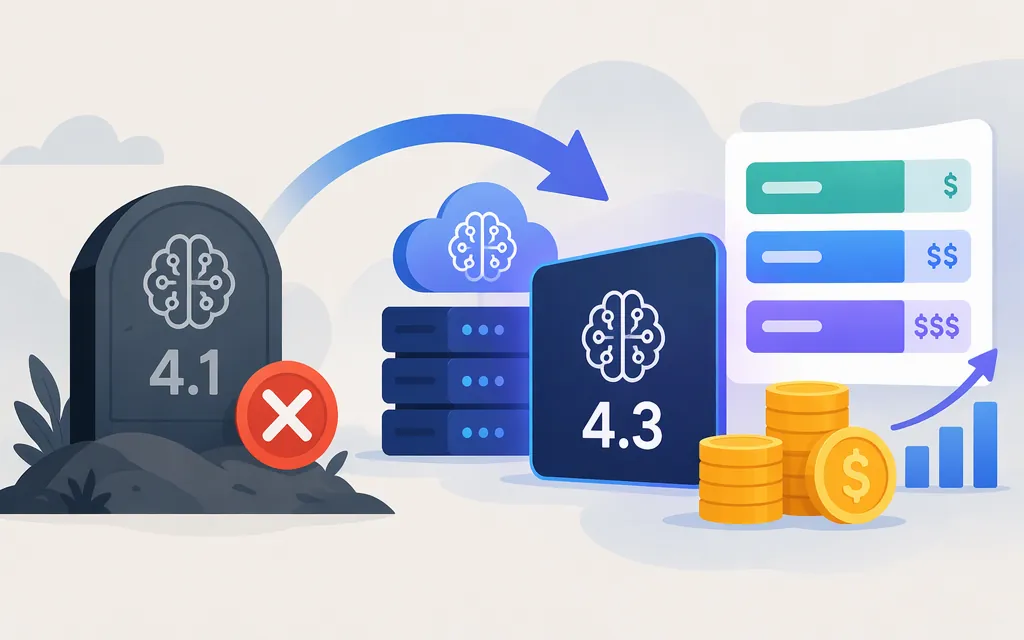
Grok 4.1 Fast was retired from the xAI API on May 15, 2026. Learn how its old model IDs route to Grok 4.3, see a documented Responses API request pattern, and check current pricing—including long-context rates.
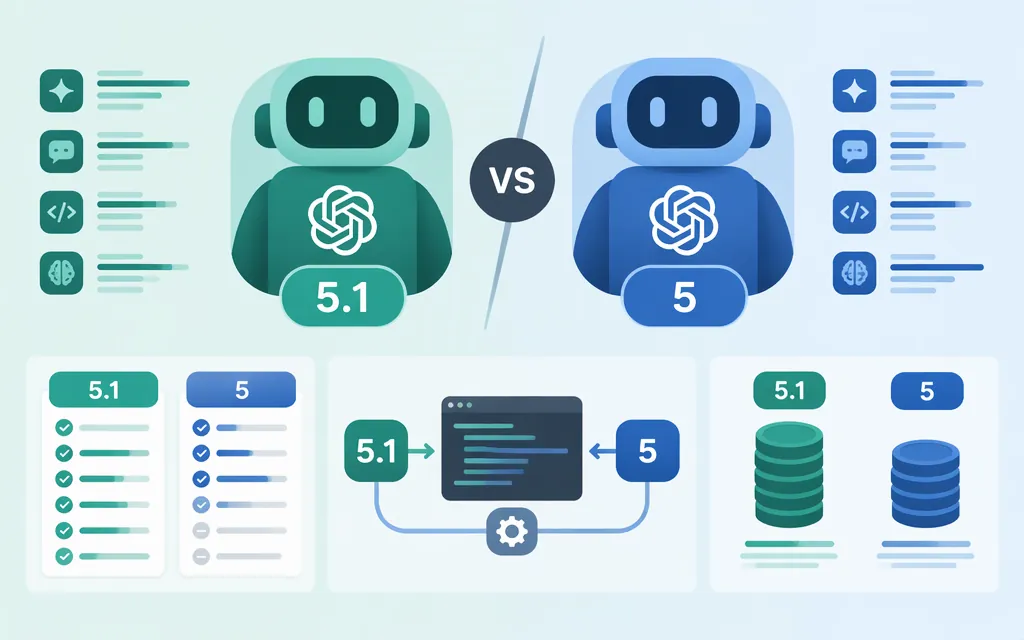
Compare GPT-5.1 and GPT-5 in ChatGPT and the API, including documented reasoning controls, compatible endpoints, token pricing, and legacy-model status.
Understand what “DeepSeek coding model” means, evaluate DeepSeek Flash for coding tasks, and check its API setup and documented limits before production.