Is the Kimi K2 API free? See what the official Kimi API information establishes, Kimi K2.6’s listed token prices and an aggregate cost example, plus what to check before production.
DeepSeek-R1 is open-weight and MIT-licensed, but those labels alone do not establish compliance with the Open Source Initiative’s AI definition. Learn what the distinction means for model and API selection.
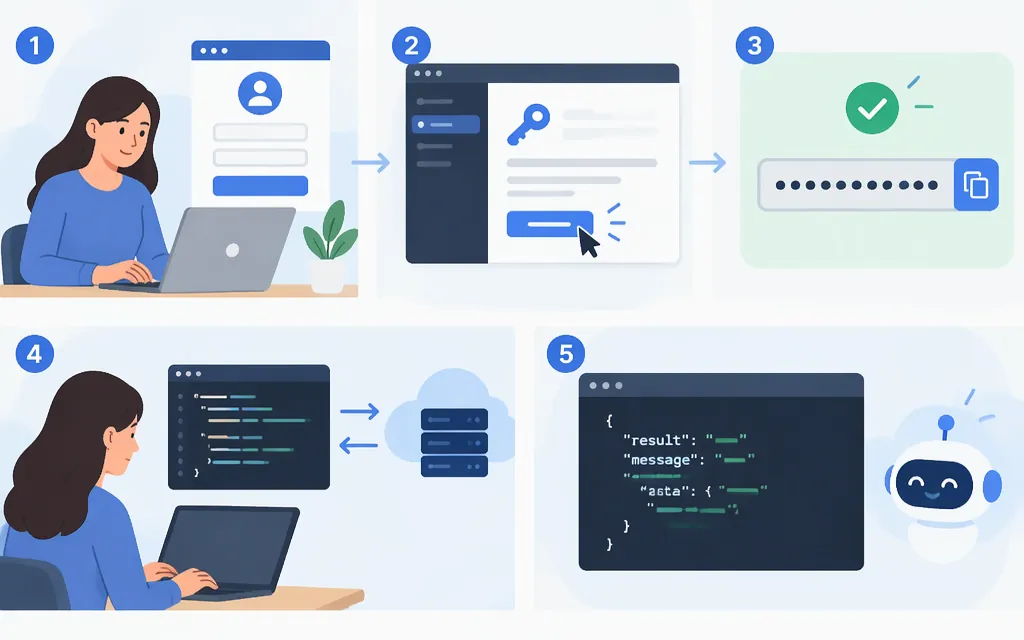
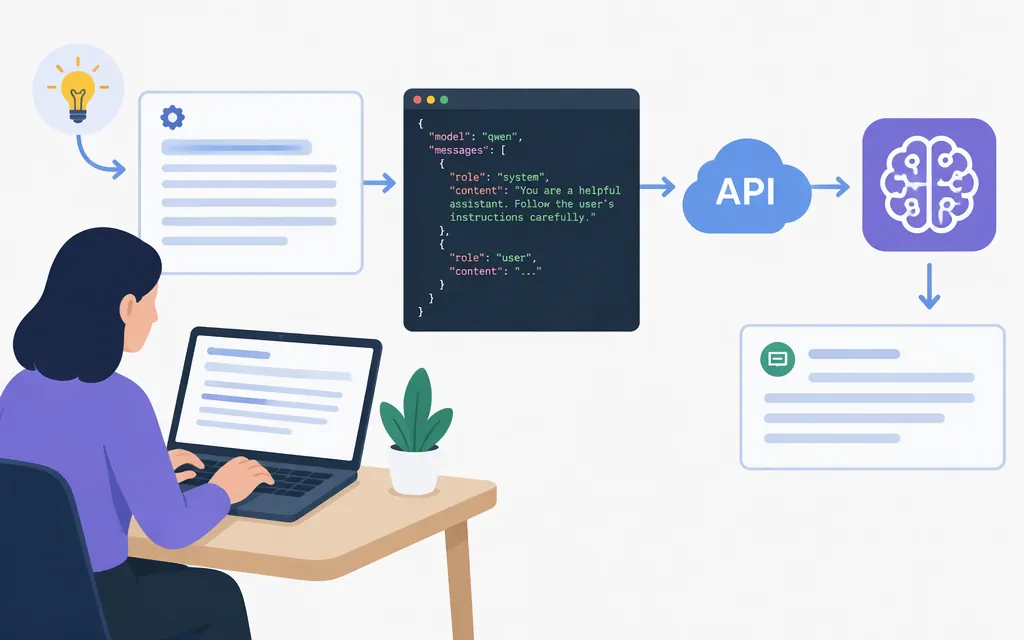
Get an official DeepSeek API key, protect it, and use it in a direct curl request. Includes the current model name and how to check whether your balance is available for API calls.
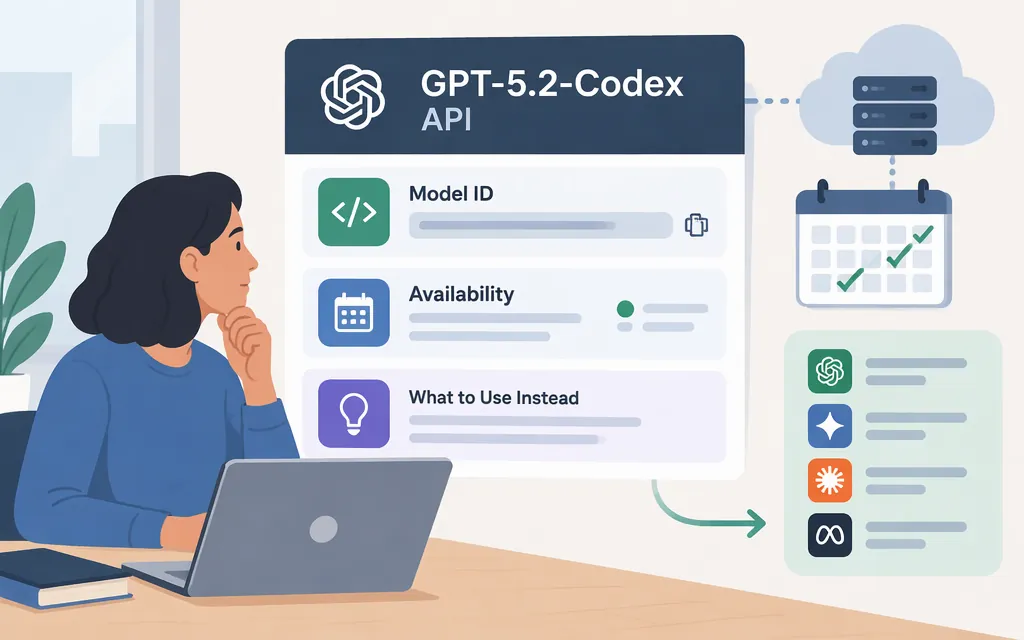
OpenAI’s API documentation marks GPT-5.2-Codex as shut down. Here’s what that means for the model ID, API requests, pricing, and your integration plan.
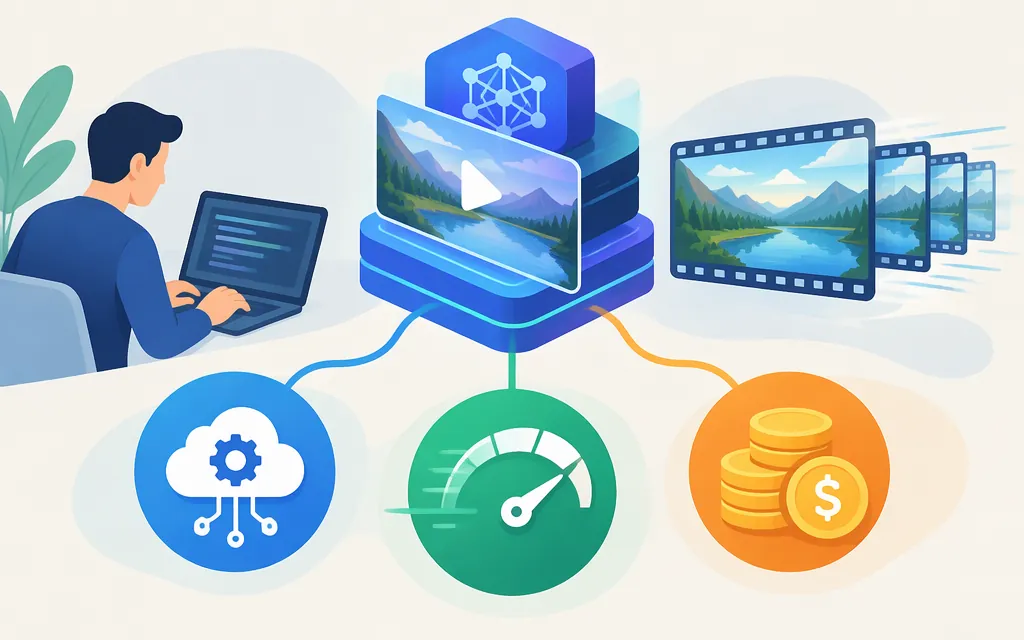
Understand what Wan model versions offer, compare Wan 2.1 and Wan 2.2 for video-generation needs, and verify the provider, API route, and price before building.
A current direct MiniMax-M2 API rate could not be confirmed from the official documentation reviewed. See how the limited-time-free claim and historical OpenRouter quote differ, and how to estimate a token-based budget.
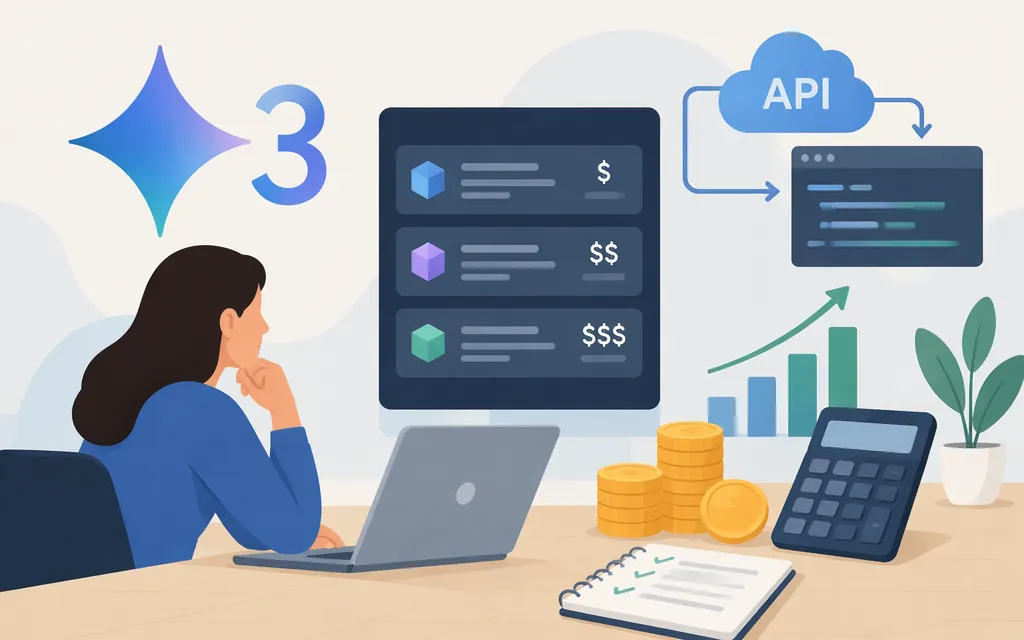
Gemini API pricing depends on the model and platform. See Gemini 3.8 Flash rates, how billed thinking tokens affect estimates, and why Gemini 3 Pro Preview’s old price no longer applies.
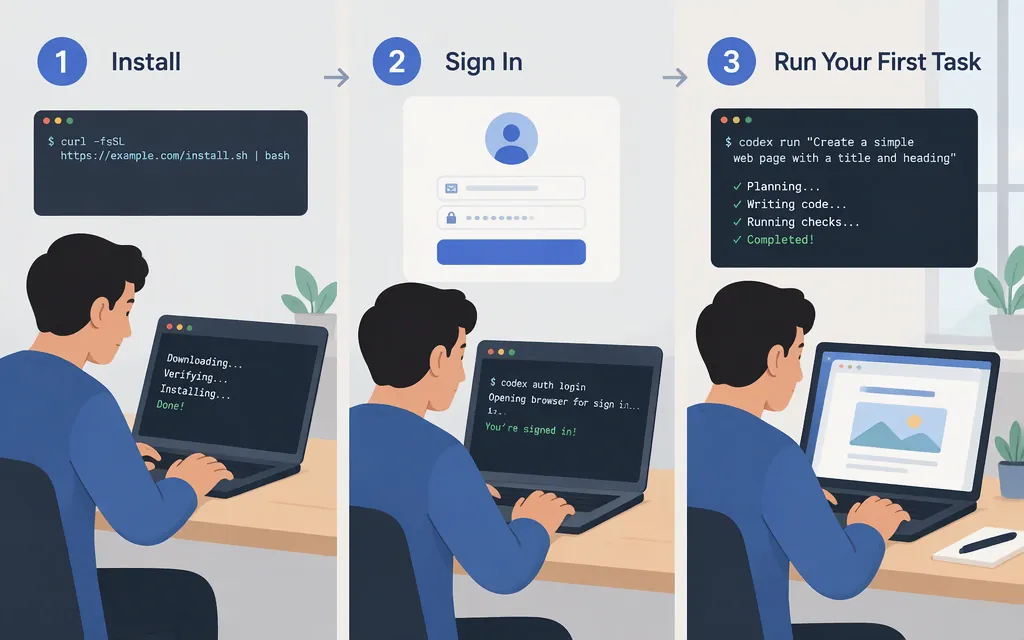
Install Codex CLI, start it in a project, and try a first task. Compare ChatGPT sign-in, OpenAI API-key authentication, and the documented Amazon Bedrock setup.
See how Seedance Pro Fast is identified across providers, what Replicate documents for its API, what Wiro’s five-prompt test found, and what pricing is available.
“GLM-4.7 V” isn’t verified as an official model name in the documentation reviewed. Z.ai documents vision models GLM-4.6V and GLM-4.5V; learn what is known about image input and API access.
MiniMax reports M2.7 scores of 56.22% on SWE-Pro, 55.6% on VIBE-Pro, 57.0% on Terminal Bench 2, and 1,495 ELO on GDPval-AA. Here’s what those results establish—and what API buyers should know before choosing it.
Learn what “Gemini thinking model” means, how thinking settings differ by model generation, and how to scope production SDK examples to Google Cloud’s Gemini Enterprise Agent Platform.
Go to the Qwen Coder portal, distinguish it from Qwen Code and Qwen3-Coder models, and review Qwen3.8-Max’s documented coding fit, Singapore API setup, context limits, and pricing.
Review MiniMax’s reported M2.7 benchmark scores, what they can—and cannot—tell you about model fit, and the API retirement timeline and current pricing considerations.
ChatGPT doesn’t publish a fixed caricature-generation time. Its Help Center says image generation may take a few minutes, depending on the request’s complexity. Here’s how to interpret that for personal use and API planning.
The legacy DeepSeek Chat and Reasoner API names have been discontinued. Learn how the current Flash API handles thinking modes, documented tool support, and current token pricing.
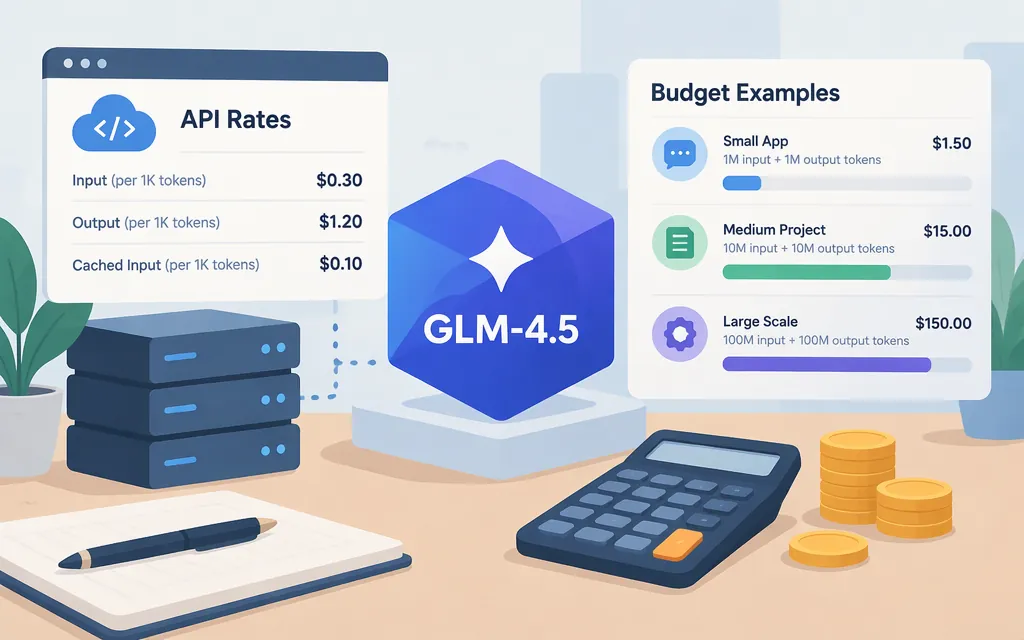
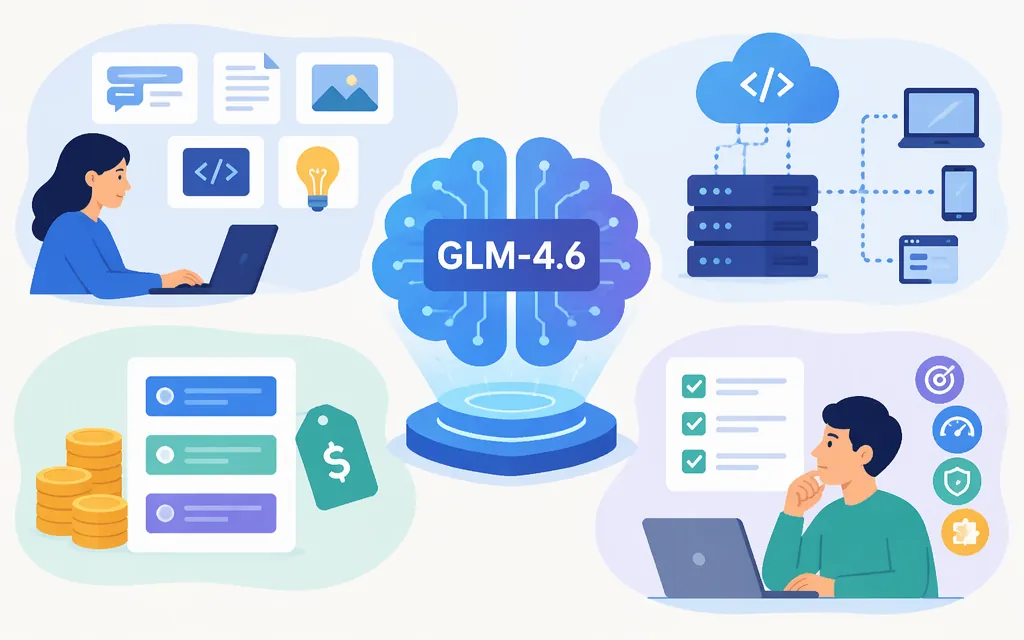
Evaluate GLM-4.6 for coding, long-context, and tool-use workloads. Review Z.ai’s documented limits, API model ID, listed token prices, and a practical way to test fit.
See what current Google Cloud documentation confirms about Veo 3.1 models and consumption, the limited third-party rate estimate available, and why it is not yet a committed API budget.
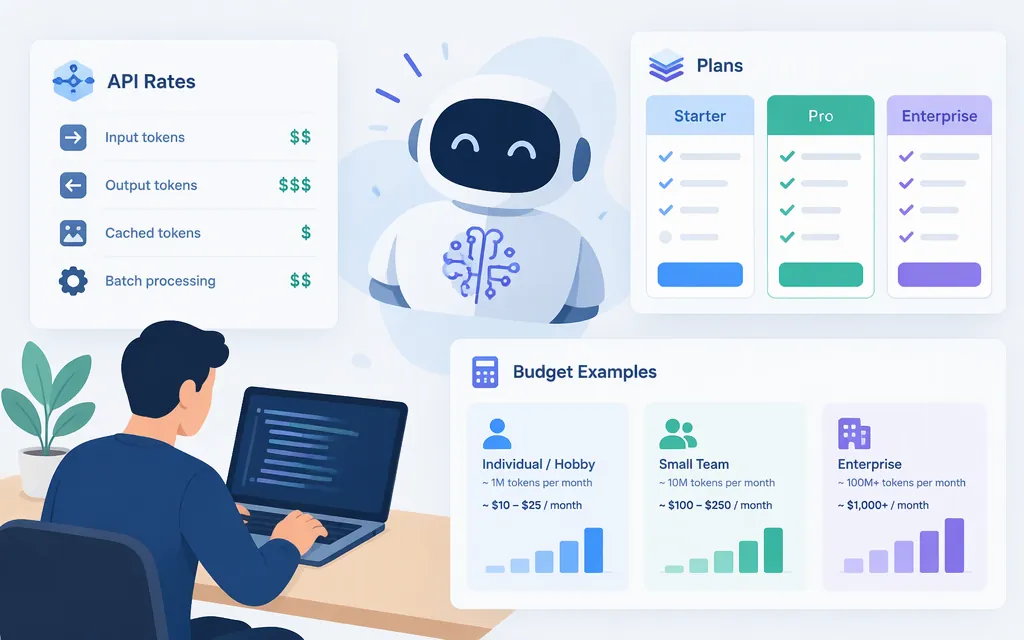
Compare reported Kimi K2.7 Code API rates by model, provider, and token type. See reproducible budget examples and how reasoning tokens and account funding affect estimates.