Model comparisons
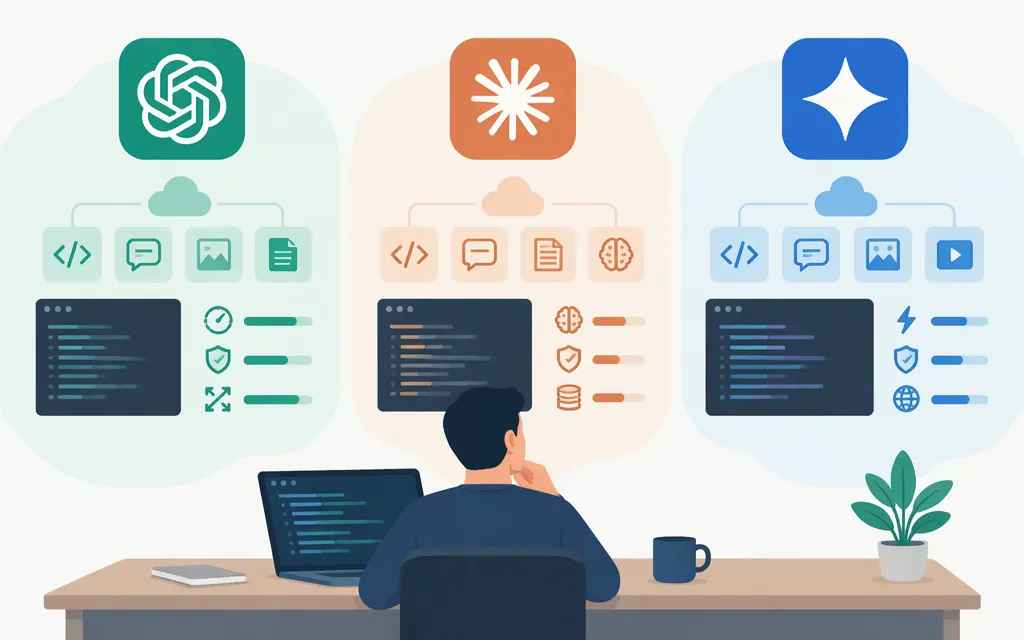
OpenAI vs Claude vs Gemini: Comparing Production AI APIs
Compare OpenAI, Anthropic Claude, and Google Gemini APIs by model, documented capabilities, token pricing, and how to test a shortlist for your production workload.
AI model and infrastructure insights
Compare OpenAI, Anthropic Claude, and Google Gemini APIs by model, documented capabilities, token pricing, and how to test a shortlist for your production workload.
Learn what “GLM-4.6 Thinking” means in Z.ai’s documentation, how to enable thinking in the GLM-4.6 SDK, and what to test before choosing it.
Find out what Google has announced about Gemini 3 Deep Think API access, what remains unverified, and how to make a documented Gemini 4 Argon API request instead.
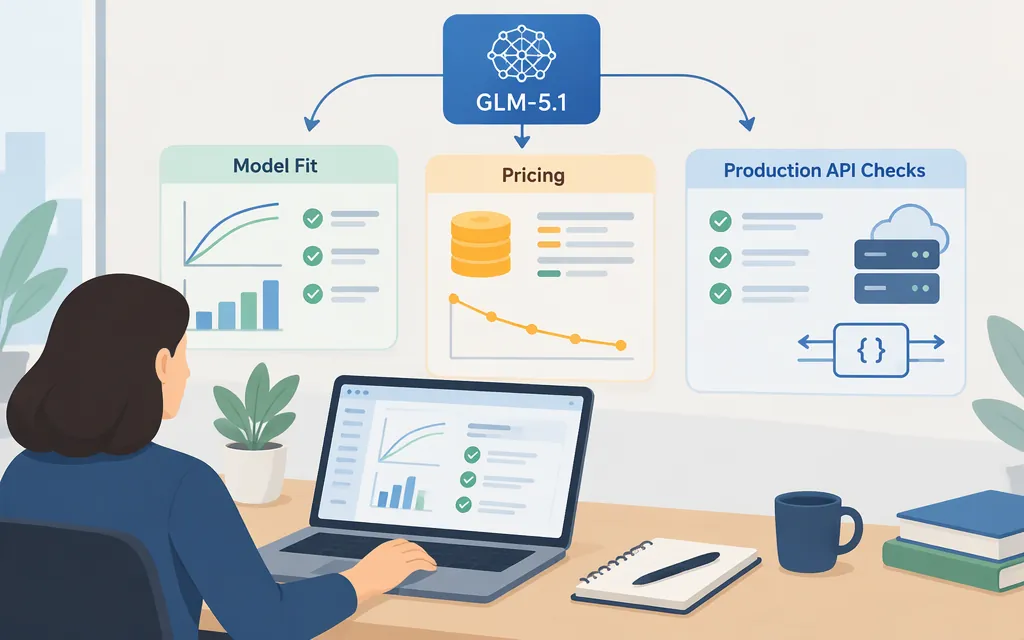
See when GLM-5.1 is worth evaluating, what its documentation says about capabilities and pricing, and what to check before choosing it for a production API.
Compare Claude API input and output rates, account for Haiku 5.5’s prompt-length tiers and cached tokens, estimate production usage, and understand eligible monthly API credits.
Turn a rough video idea into a clear Seedance prompt with a reusable template, worked example, reference guidance, and a checklist for confirming TokenForge API access before integration.
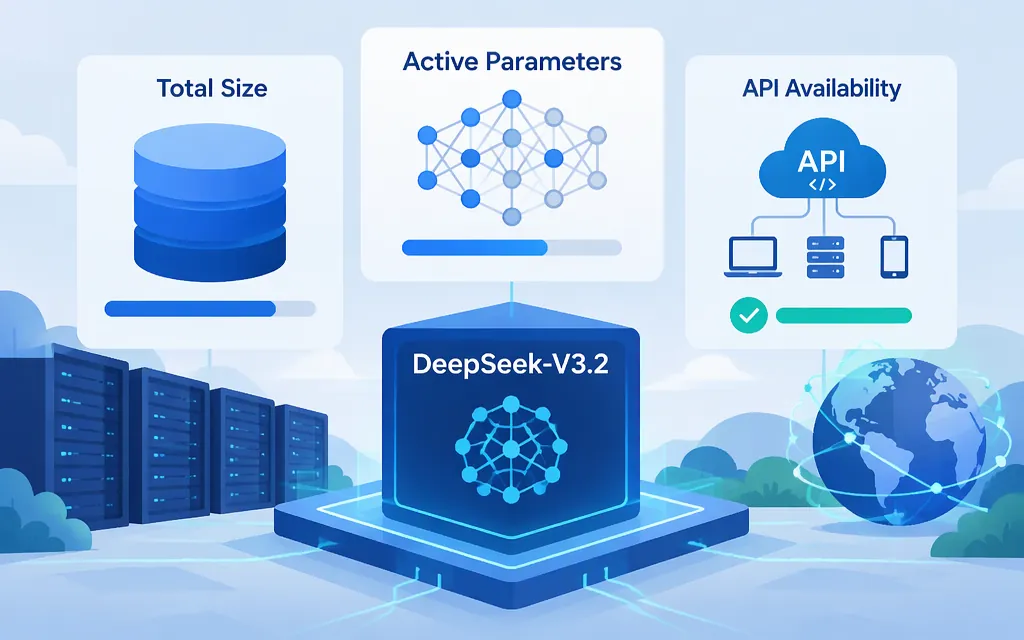
DeepSeek-V3.2 is listed at 685B total parameters, with 37B active per token. Compare it with V3.2-Exp and check which production API options are documented.
Runway retired Gen-3 Alpha from its own product and official API. Learn what that means for Runway’s free plan—and why third-party access and costs remain unverified.
As of November 10, 2026, MiniMax M2.5 is retired in Ollama’s model library. See what that means for local Ollama, Ollama Cloud, and MiniMax API users—and which current API option to consider.
ChatGPT Go offers more image creation than Free, but OpenAI does not publish a fixed image count. Learn what the 10× comparison means, the US subscription price, and how Go differs from API billing.
Understand the difference between DeepSeek outages, API failures, and model-fit questions. Review current API options and a practical production diagnostic checklist.
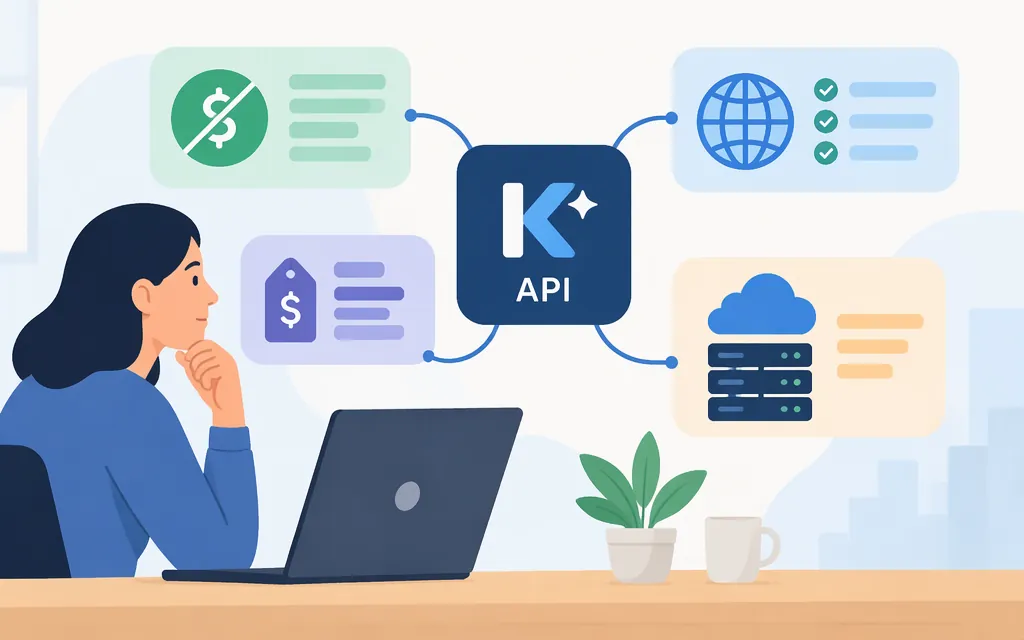
Find the official Kimi API Platform console and choose a documented K3-series model for long-context, visual, coding, or latency-sensitive API workloads.
A preliminary Kimi K2.5 safety evaluation reported fewer refusals on some CBRNE-related requests and greater compliance with certain harmful requests. See what the findings establish—and what to verify before choosing a production API.
Google announced $0.15 per million input tokens in July 2025. Current route-specific Google pricing remains unconfirmed here; see the dated Vertex AI reports, budget arithmetic, and documented input limit.
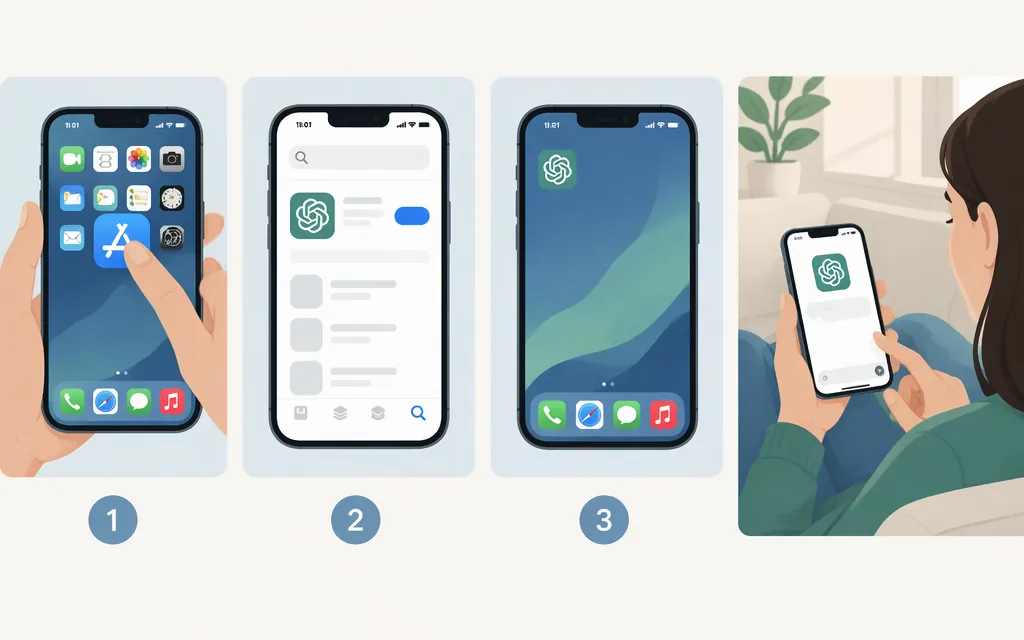
Install the official ChatGPT app on your iPhone or use ChatGPT in Safari. Learn how to identify the official app, complete any sign-in prompts, and whether you need an API.
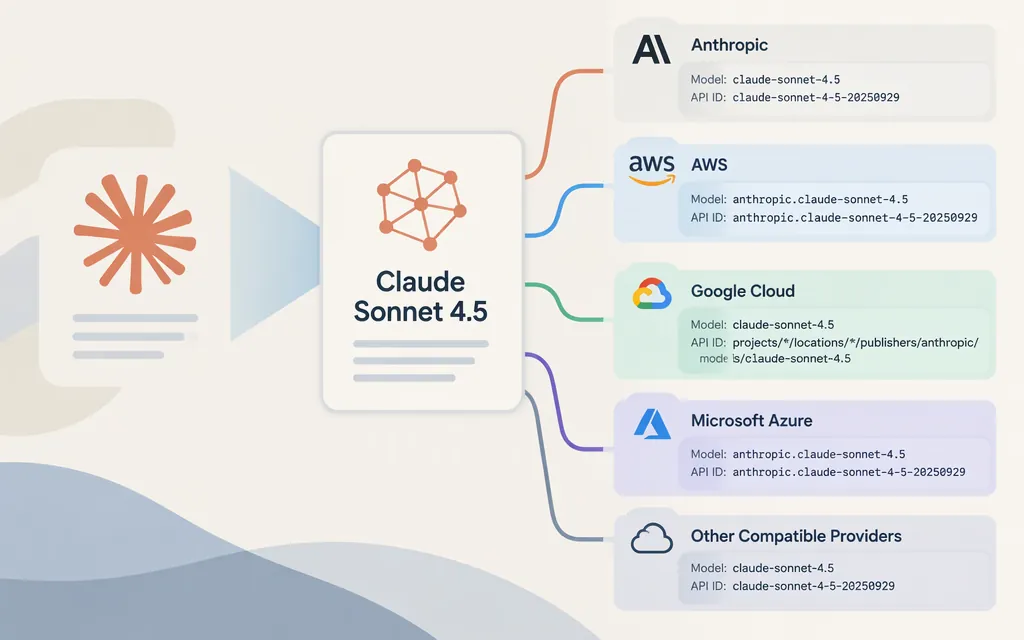
The model is called Claude Sonnet 4.5, but its API ID depends on the provider. Compare the documented Anthropic, Amazon Bedrock, and Inworld identifiers, and check provider-specific lifecycle notices before production use.
Kimi K2.5 is not a current free API option through Moonshot: the official platform says it retired the model on August 31, 2026. Here’s what that means for pricing and production use.
Compare OpenAI’s listed flagship and specialized API models by task, model ID, published token limits, and displayed prices. See what the listed rates establish—and what still needs checking before production use.
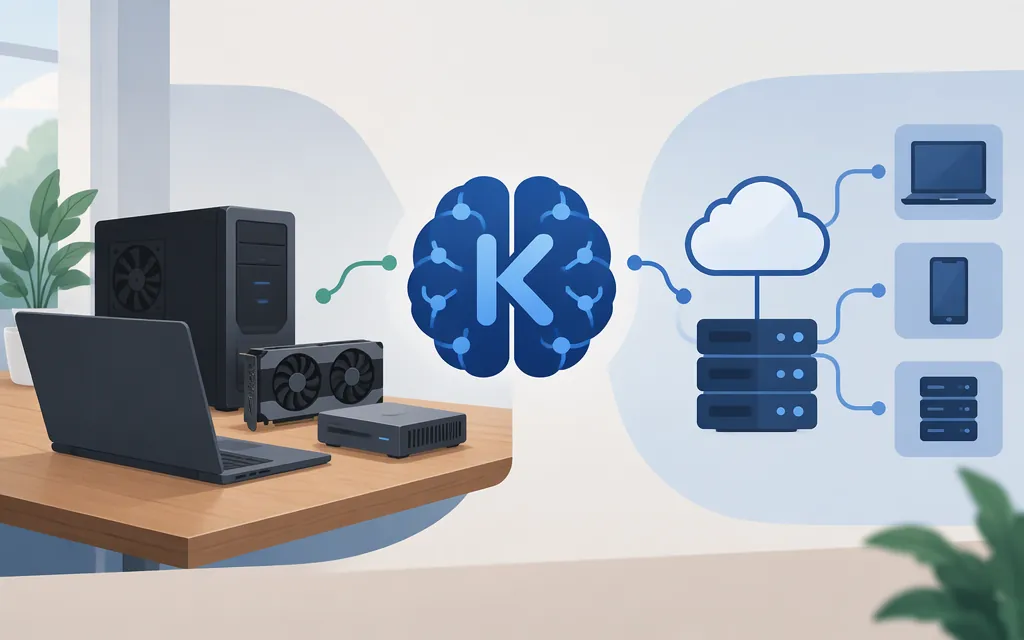
Kimi K2.5’s local requirements depend on the runtime. One KTransformers/SGLang guide lists 48 GB VRAM, an AVX512F-capable x86 CPU, 600 GB RAM, 600 GB storage, and specific software; the official hosted API retired K2.5 on August 31, 2026.
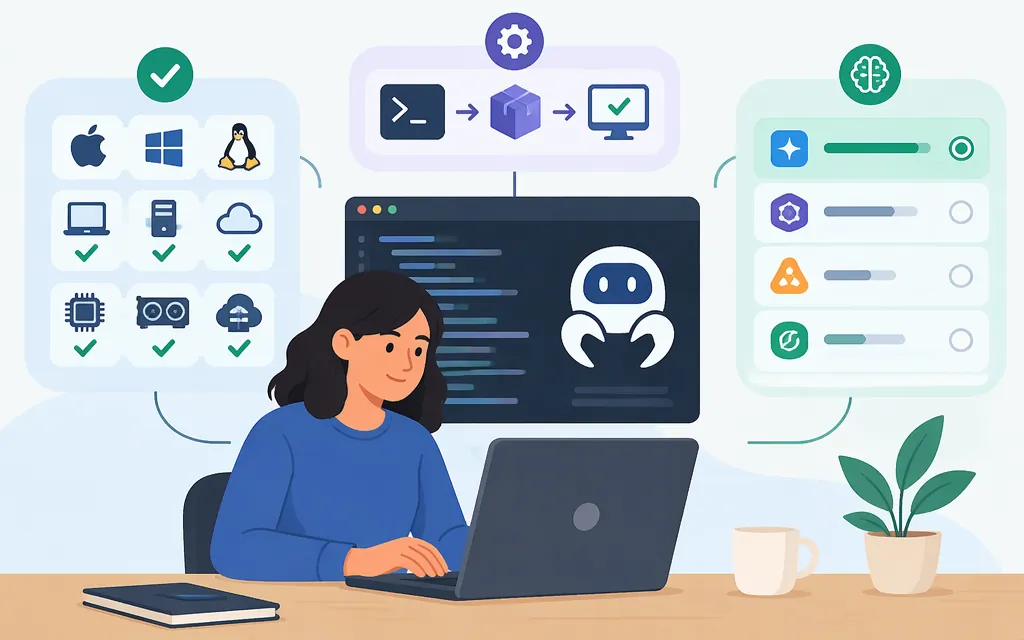
OpenClaw documents a Kimi Coding provider, but that is different from running Kimi Code CLI inside OpenClaw. See the documented setup path, model selection commands, and credential distinction.
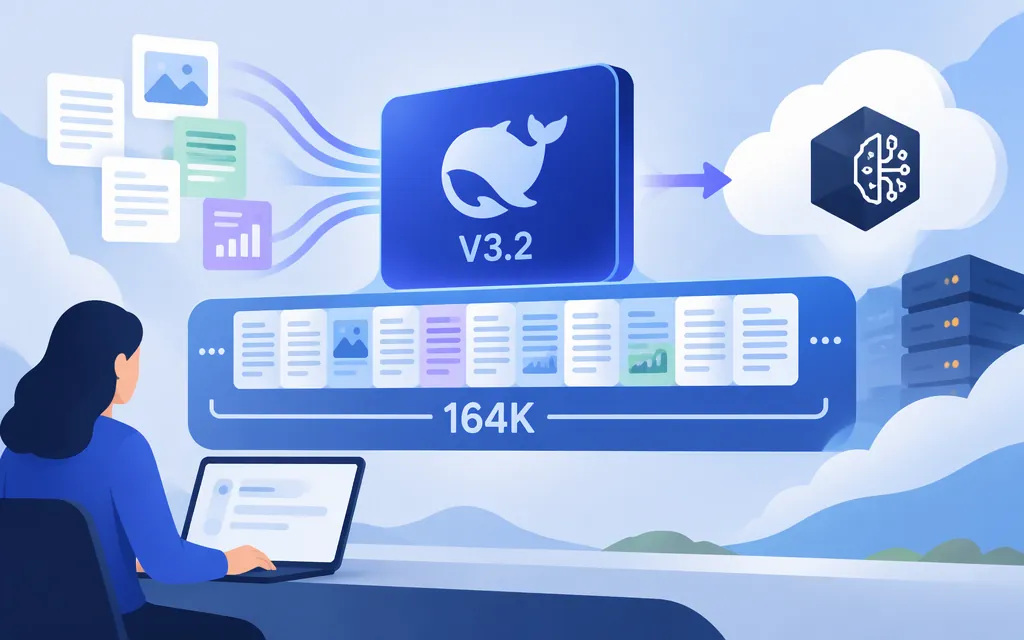
Amazon Bedrock documents a 164K-token context window and an 8K output cap for DeepSeek V3.2. See how that differs from the limit documented for DeepSeek’s own API.
See how to continue or choose a Claude Code session, and follow a VS Code workflow for browsing and searching older conversations.
Learn what Google’s guidance does—and doesn’t—say about Gemini Pro image limits, why 1,000 images per day isn’t a verified guarantee, and how app limits differ from API use.
Copy and adapt a practical video prompt template, see a completed example, and learn why you can no longer submit prompts through the Sora API.