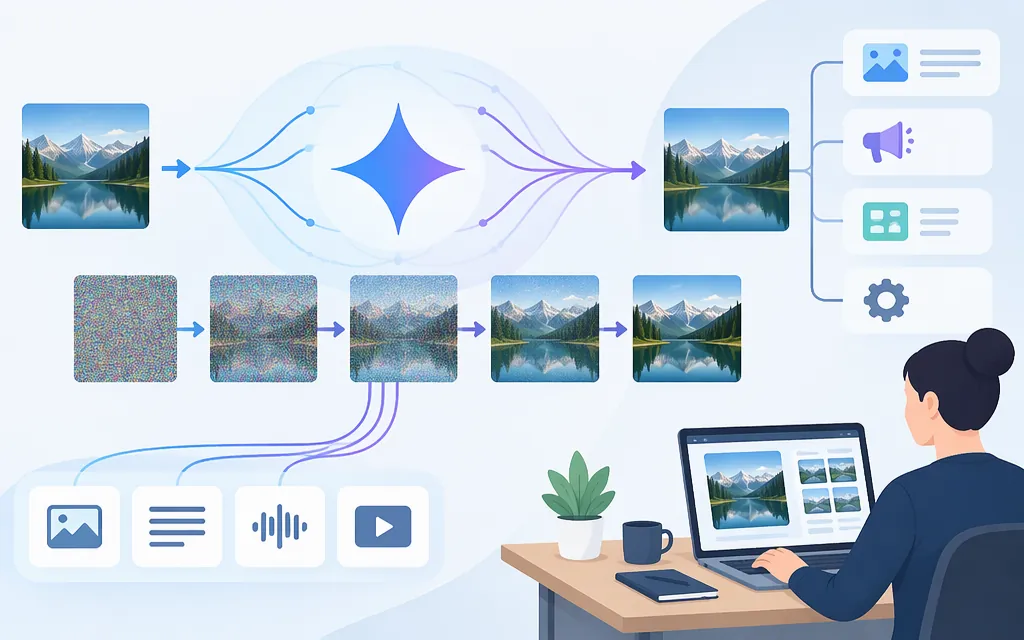
Google describes Gemini Diffusion as an experimental text-diffusion research model. Learn how it differs from DiffusionGemma, what Google reports about its benchmarks, and what to verify before choosing an API.
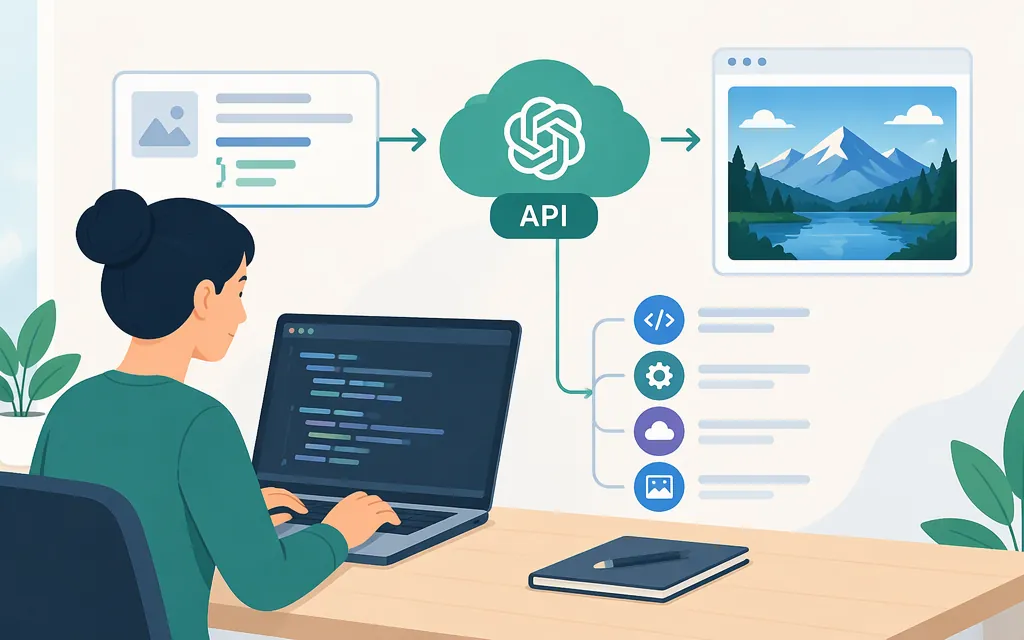
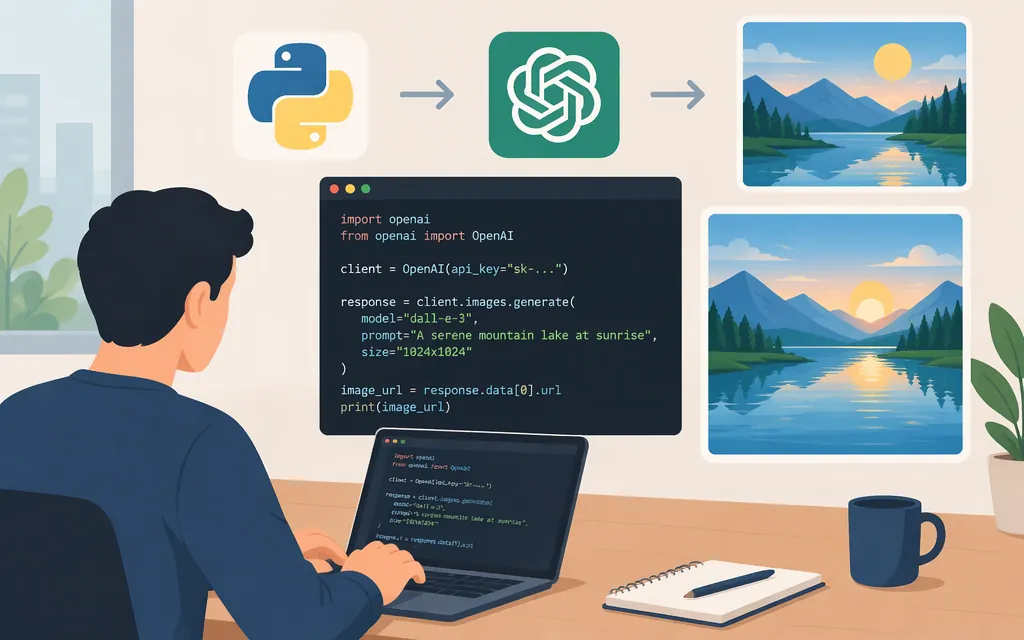
Use GPT Image 2 through OpenAI’s API: configure the Python SDK, send a generation request, save the returned image, and distinguish direct OpenAI access from third-party routes.
Claude Code Pro has shared five-hour and weekly usage limits, but Anthropic’s help documentation does not specify a fixed message or token quota. Learn where to check your usage, compare plans, and distinguish subscription use from API billing.
A dated shortlist of leading LLM APIs by use case, with model-specific tool, structured-output, and token-limit details to help screen production candidates.
DeepThink is DeepSeek’s label for a thinking mode, not a separate API model. Learn how the mode relates to R1, how to enable it through the API, and what to validate for your workload.
See which video-generation modes MiniMax Hailuo 02 supports, its documented image and output constraints, how to submit and retrieve an API task, and what to verify about pricing and production use.
Learn what “GLM-5.1 chat” refers to, where Z.ai positions the model, how its standard API differs from Coding Plan access, and what Z.ai lists for pricing.
I couldn’t verify a fixed number of free ChatGPT uploads or a universal reset period in the official guidance reviewed here. Learn what to check in ChatGPT, and why the Free limit doesn’t set a production API budget.
Yes. ChatGPT can read responses aloud and supports spoken conversations. For app developers, the documented Speech API workflow is scheduled to end January 6, 2027; OpenAI recommends migrating to Realtime, but its current guide does not establish a drop-in replacement for narrating exact supplied text.
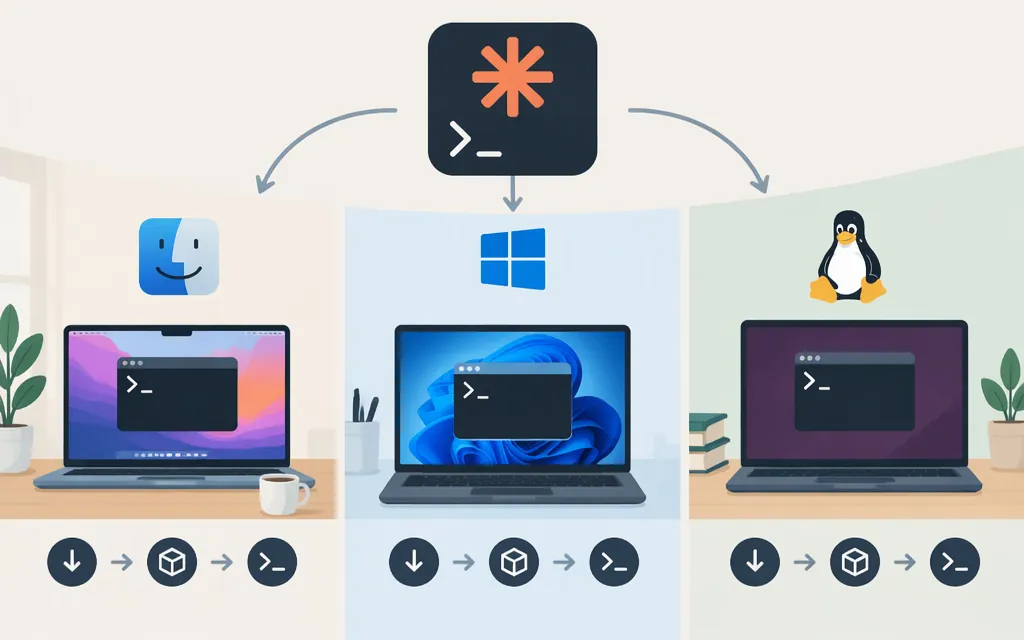
Install Claude Code with Anthropic’s native installer, sign in with an eligible account, verify the CLI, and see why installation alone does not configure a production model API.
Follow Suno’s documented Android Simple Mode or iOS Custom Mode steps, try an illustrative prompt, and see what is—and isn’t—established about API access.
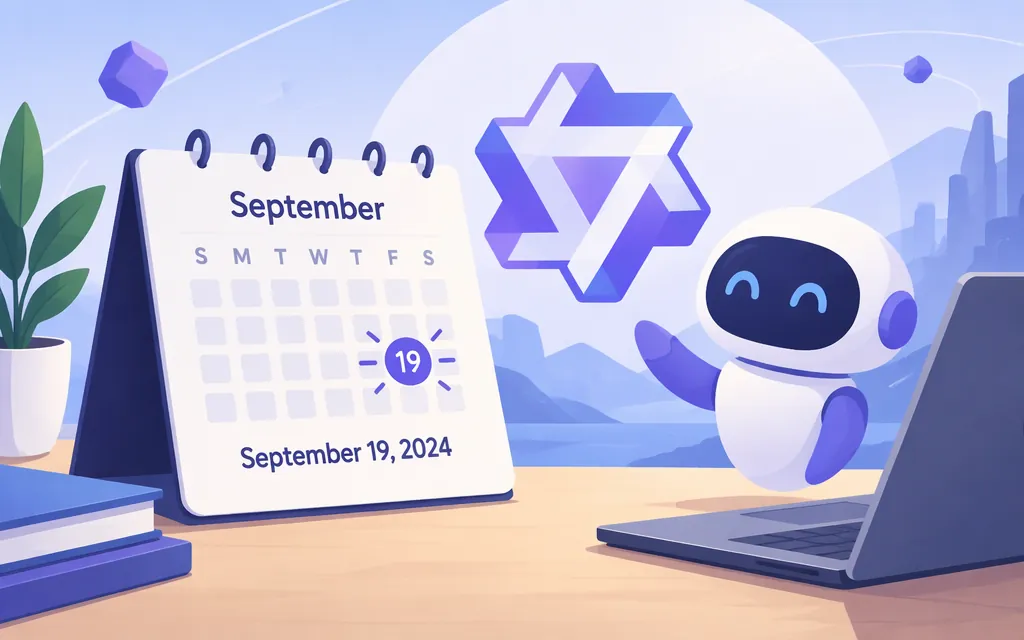
Qwen announced the Qwen2.5 family on September 19, 2024. Learn how that announcement date differs from the technical report dates—and why it doesn’t tell you which Qwen API to use today.
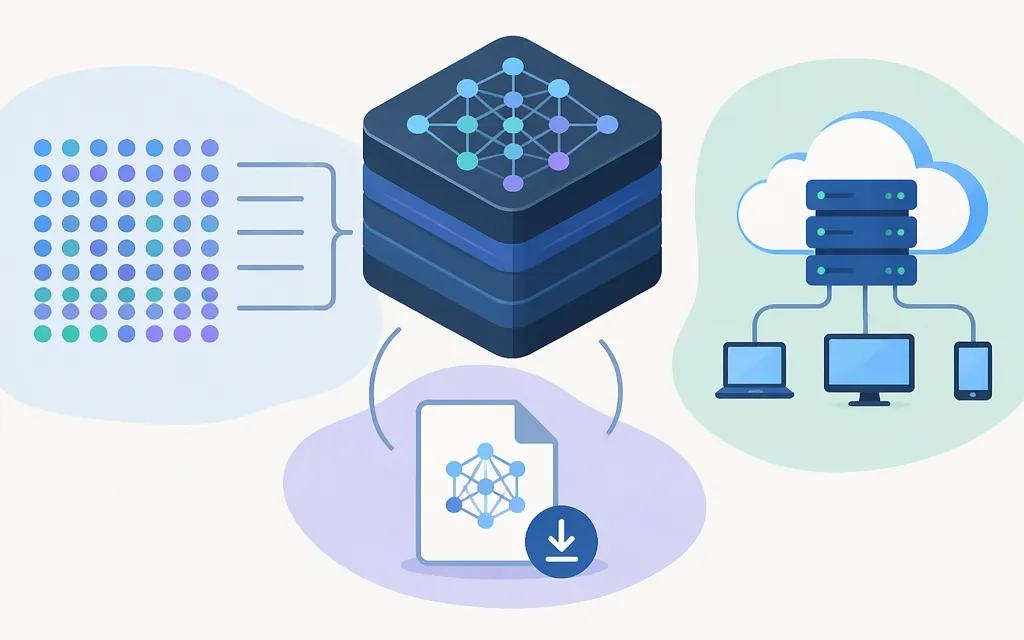
Kimi K2 has 1 trillion total parameters and 32 billion activated parameters. See how that differs from its listed 1.03 TB Instruct checkpoint—and what it means for self-hosting or API use.
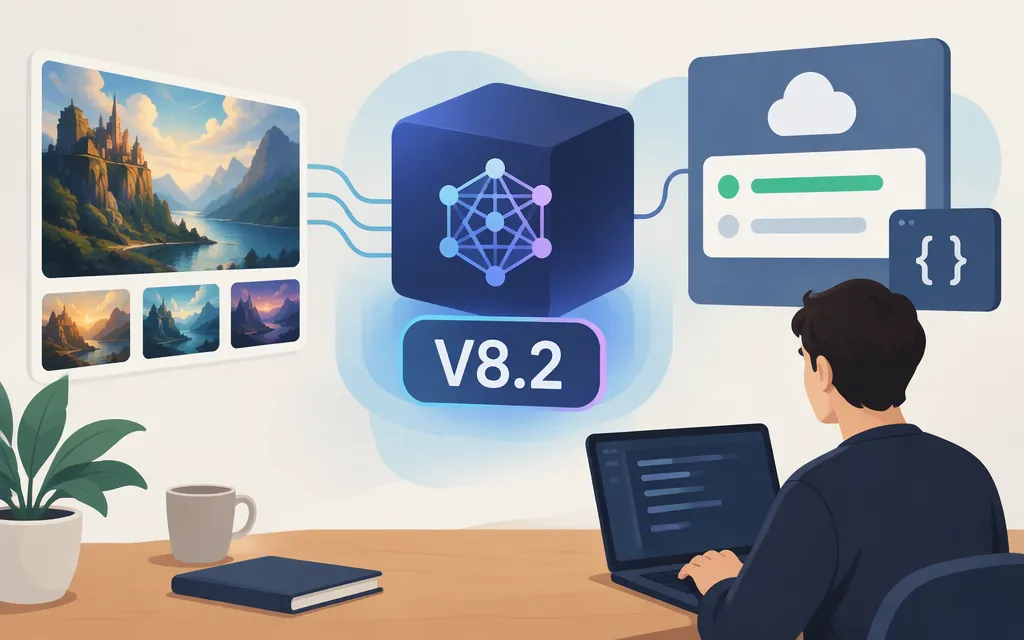
Midjourney’s official documentation identifies V8.2 as its current default version. See how third-party sources describe the underlying model, what those descriptions establish, and what’s known about production API access.
Find the Z.ai English company site, API platform, developer documentation, and BigModel portal. See what to verify before choosing a GLM model for production.
Yes. MiniMax’s M2.5 repository documents local serving with vLLM and lists baseline system requirements. See the official guide for installation steps and its health-check request; the command below is a serving example, not a complete setup tutorial.
Learn whether you need the Messages API or organization-level usage reporting, with a Claude request example and guidance on Analytics API credentials, date ranges, response fields, and pagination.
Set up a Z.ai GLM API request with the documented endpoint, Bearer authentication, and a working curl example. See how the BigModel route and GLM Coding Plan differ.
Find a browser-based way to try the exact GLM-4.6 model, understand what is and is not confirmed about free access, and review Z.AI’s API capabilities and listed prices.
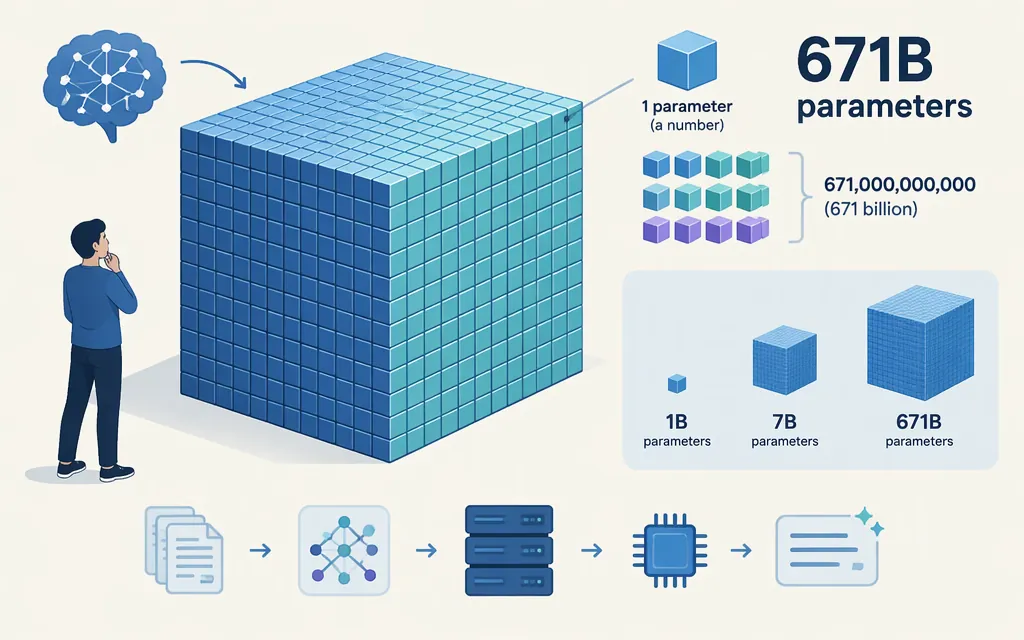
The original DeepSeek R1 has 671 billion total parameters, with 37 billion activated per token. Learn how that differs from file size and runtime memory, and what API support is documented.