Inference economics
OpenAI Alternative API: How to Evaluate the Right Fit
Evaluate an OpenAI alternative API for model fit, integration effort, inference costs, and deployment needs with Token Forge Cloud.
AI model and infrastructure insights
Evaluate an OpenAI alternative API for model fit, integration effort, inference costs, and deployment needs with Token Forge Cloud.
Looking for the cheapest AI API for your workload? Compare token pricing, task quality, and deployment costs to find a suitable option.
Explore how to choose the best Chinese AI model for your workload by comparing output quality, access, latency, data handling, and inference cost.
Explore GLM API access, pricing factors, and deployment choices. Learn what to check when evaluating managed APIs and private inference with Token Forge Cloud.
Explore the MiniMax API, what to check in its current documentation, and how an API pilot can inform private inference decisions with Token Forge Cloud.
Compare Claude subscription prices and production API rates, understand plan usage differences, and estimate monthly API costs and eligible credits.
Find the DeepSeek-V3.2 paper, understand its reported findings, and compare V3.2 with Speciale for reasoning and tool-use workloads before choosing a production API.
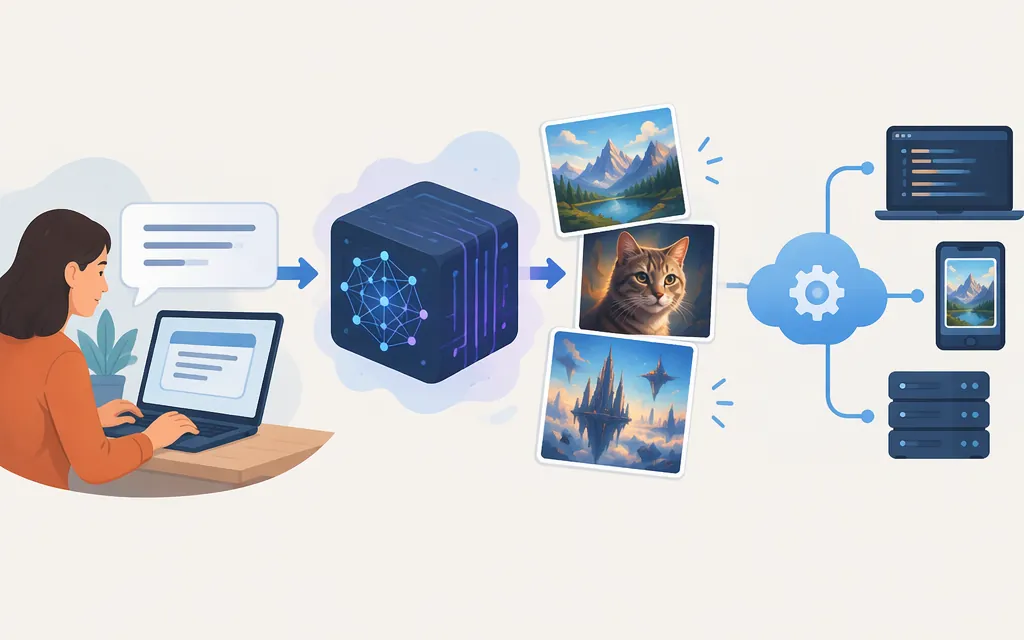
Claude Code can help run an image-generation workflow, but the cited Anthropic docs don’t establish built-in photo or illustration generation. See how to use a separate image API.
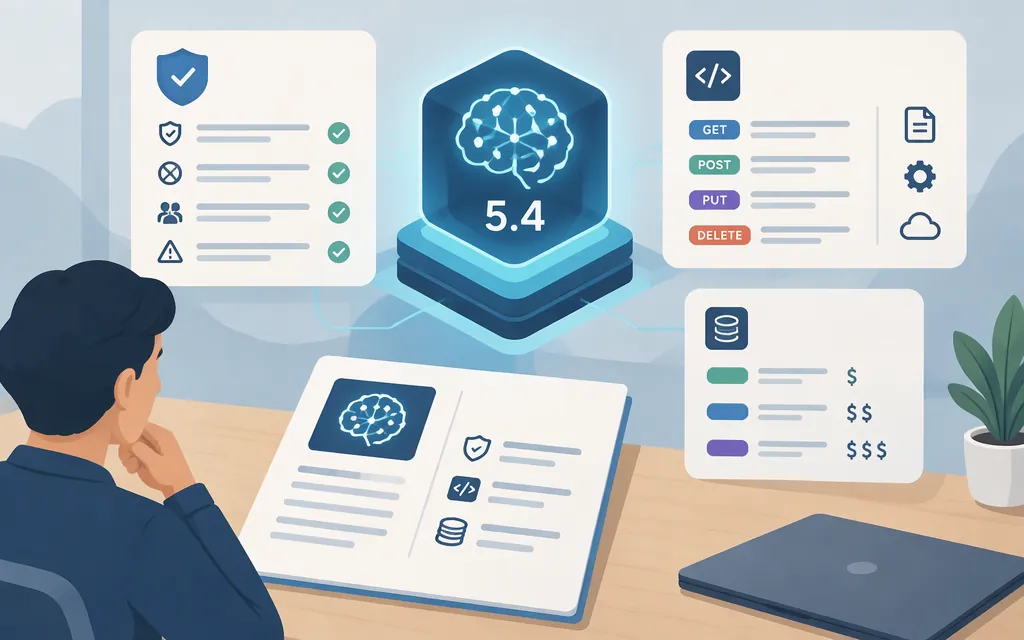
A guide to OpenAI’s GPT-5.4 Thinking System Card and API documentation, including documented capabilities, model limits, pricing conditions, and what to test before production.
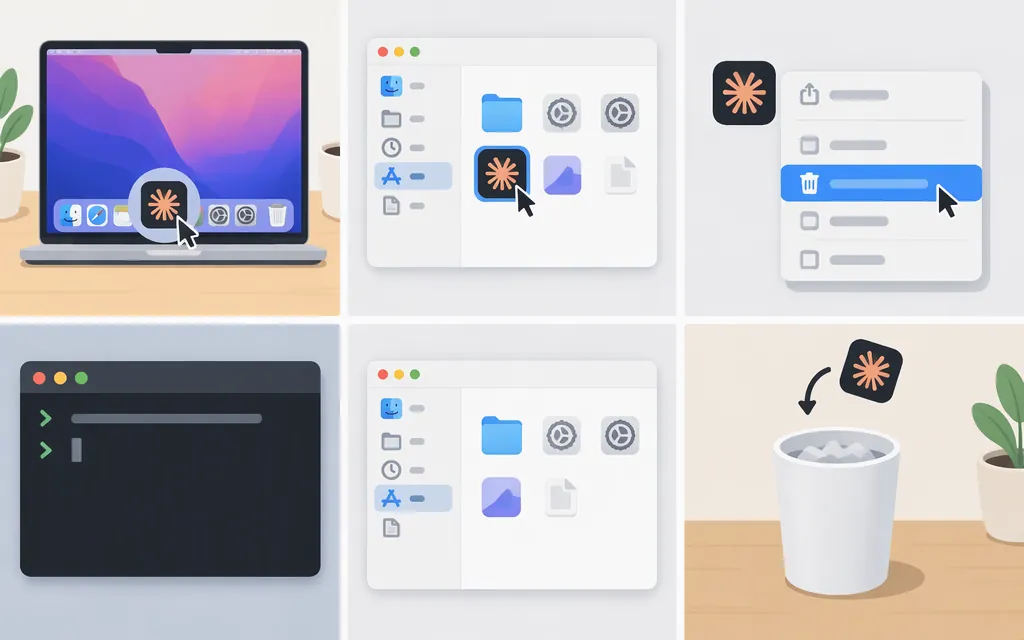
Uninstall Claude Code on macOS with the method used to install it. Native removal requires following Anthropic’s official setup guide; npm and Homebrew steps are listed here.
Learn how Midjourney turns prompts into images, how to refine results, what its official docs do—and don’t—say about its model internals, and whether it fits a production API workflow.
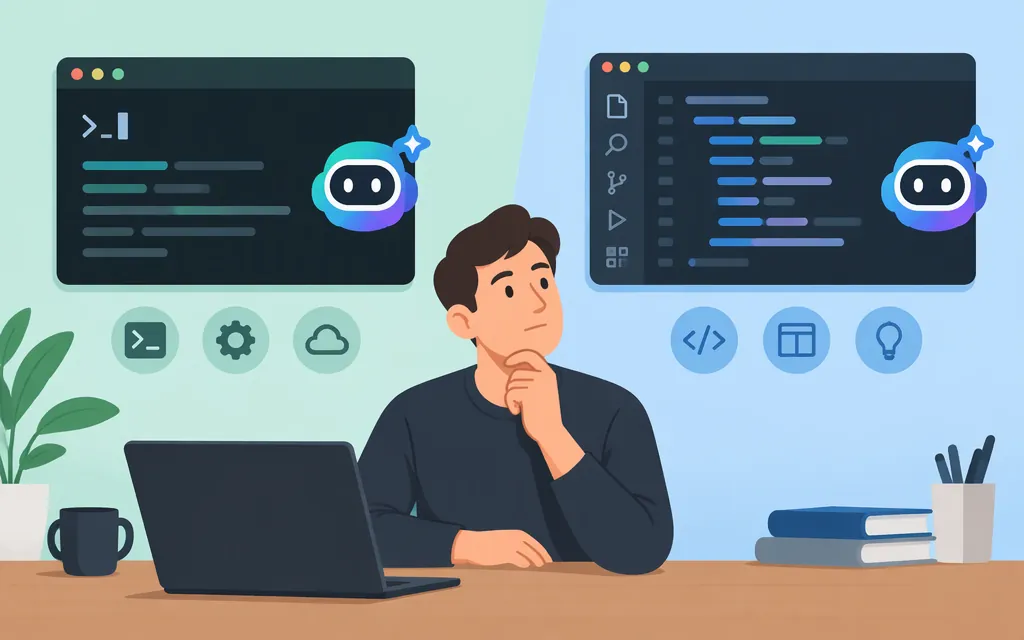
Compare GitHub Copilot CLI with Copilot in VS Code for inline suggestions, agent workflows, recurring tasks, usage, and production model integrations.
Learn a clear video-prompt structure, see an adaptable example, and find out why OpenAI Sora prompts and its production API can no longer be run.
Learn what GLM-5 is, what Z.AI says it can do, how it differs from GLM-5.1 and GLM-5V-Turbo, and what to verify before using it in production.
Learn what DeepSeek-Coder 33B is suited for, how its Base and Instruct variants differ, what local inference may require, and what to verify before using a production API.
As of November 9, 2026, Anthropic’s model docs mark Claude Haiku 5.5 as latest in the listed lineup and document it for the Claude API. Compare its use case and pricing with other listed models, and understand how Mythos 5.1 access differs.
Claude Sonnet 4.5 supports coding, tool use, and computer-use workflows. Review its model IDs, API behavior, lifecycle, and migration considerations.
Eligible ChatGPT Pro subscribers can claim API credits, but a Pro subscription is not an API key or unlimited API usage. Learn what to check before claiming credits, making an API request, or launching.
Expert on grok.com is identified in release notes as powered by Grok 4.7, while Grok 4.1 was historically selectable as a named model. Compare the app options carefully, and check API routing before deploying.
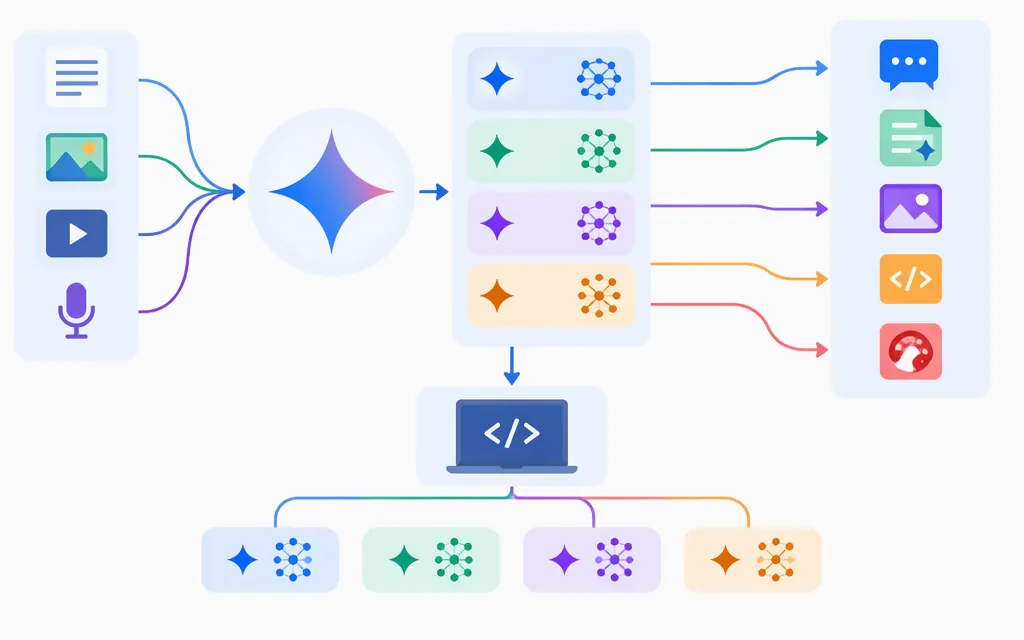
Learn how Gemini handles requests, how models differ from apps and APIs, and how to evaluate a current model for production use.
There isn’t one free Gemini API request limit to rely on for every project. Learn how to check your model’s quota, understand its request and token limits, and decide what to do if the allowance won’t fit your workload.
Sora 2 Pro was listed at $0.30–$0.50 per generated second, depending on the reported provider and output setting. OpenAI discontinued the Sora API on September 24, 2026, so those figures are historical, not a current purchase quote.
Learn how to delete remembered information in ChatGPT, what that does not remove, and why ChatGPT memory settings do not clear state in your API application.
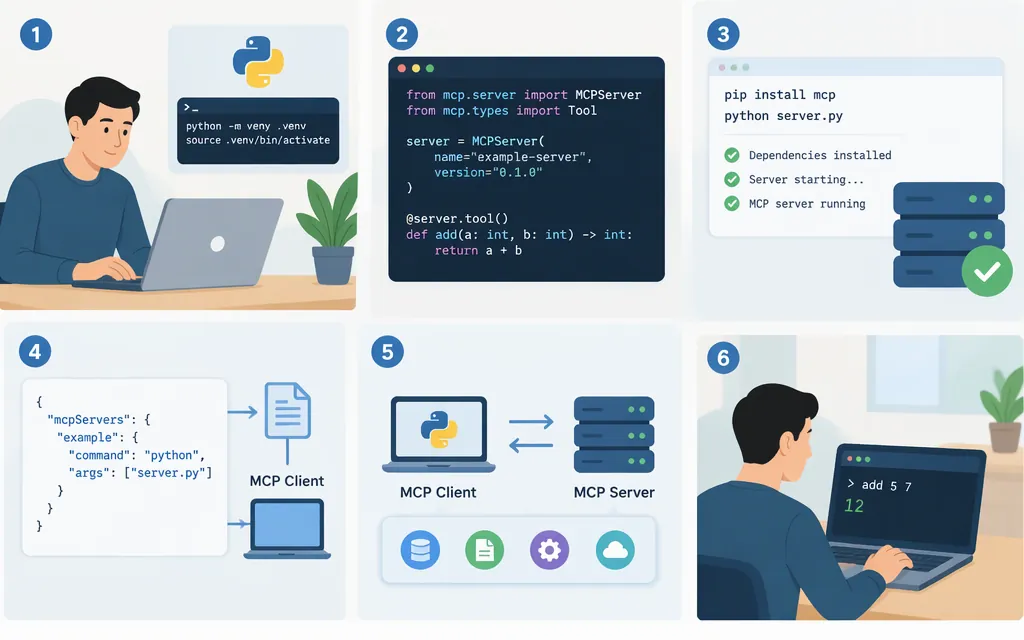
Build a local Python MCP server, discover and call its tool with MCP Inspector, and see how a production model API fits into the workflow.