Inference economics
AI Models: A Practical Guide to Enterprise Evaluation
Explore how an AI model works, how to evaluate quality, latency, and cost, and how Token Forge Cloud supports API access and private inference.
AI model and infrastructure insights
Explore how an AI model works, how to evaluate quality, latency, and cost, and how Token Forge Cloud supports API access and private inference.
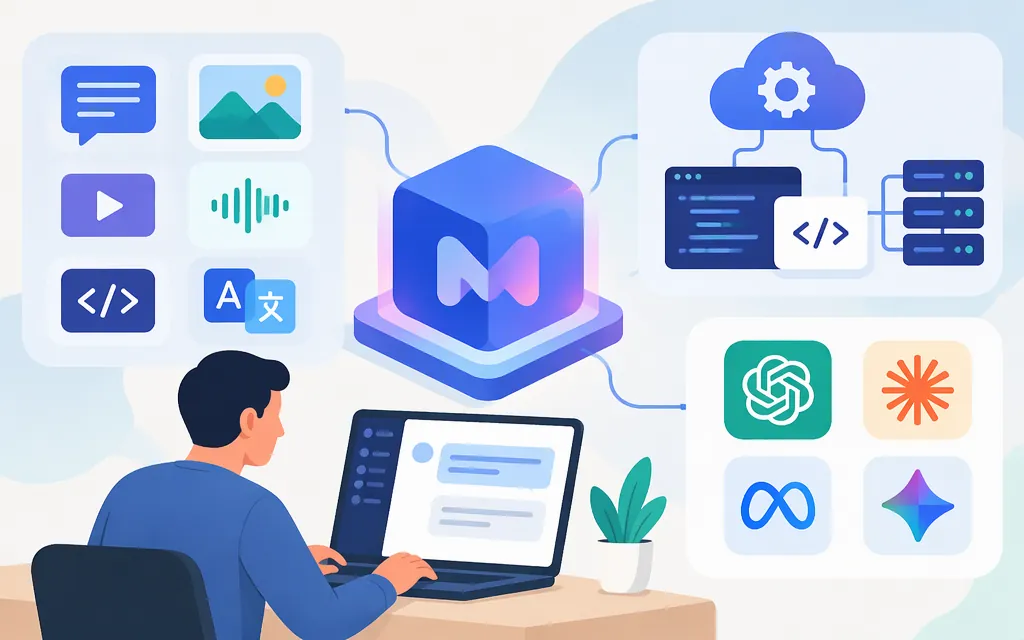
Compare an OpenAI alternative API using real workloads, integration needs, and inference costs. Explore Token Forge Cloud managed model APIs and private LLM inference.
Compare AI API costs for your workload using token rates, completed-task costs, and model quality. Explore when managed access or private inference may fit.
Learn how to compare Chinese AI models for your workload, from language and task performance to deployment, data handling, and inference cost.
Explore Seedance API access, model versions, workflow requirements, and costs, with guidance on evaluating providers and Token Forge Cloud
Explore GLM API access, integration, pricing, and deployment considerations, including Token Forge Cloud managed APIs and private inference.
Explore the MiniMax API, plan a workload pilot, and learn what to check when evaluating API access and private inference with Token Forge Cloud.
Yes—if you mean Moonshot AI’s Kimi K2.5. Its model card labels the release modified MIT; the license permits broad use subject to notice requirements and a scale-triggered UI branding condition. Moonshot retired K2.5 from its API platform on August 31, 2026.
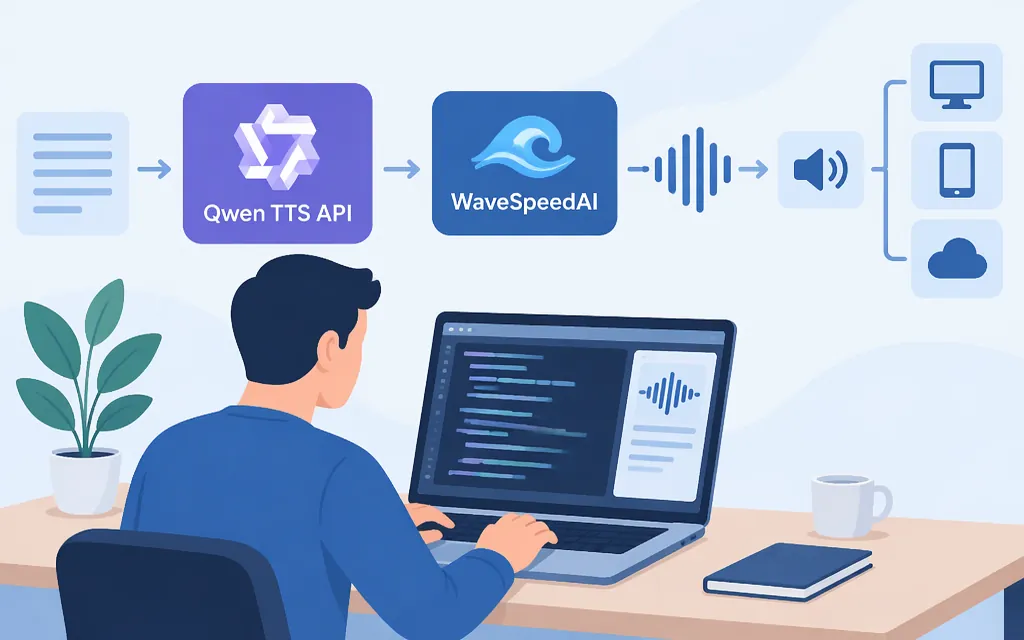
A source-attributed guide to WaveSpeedAI’s documented Qwen3 TTS Flash endpoint, task submission and polling flow, request fields, and what the available documentation does not confirm.
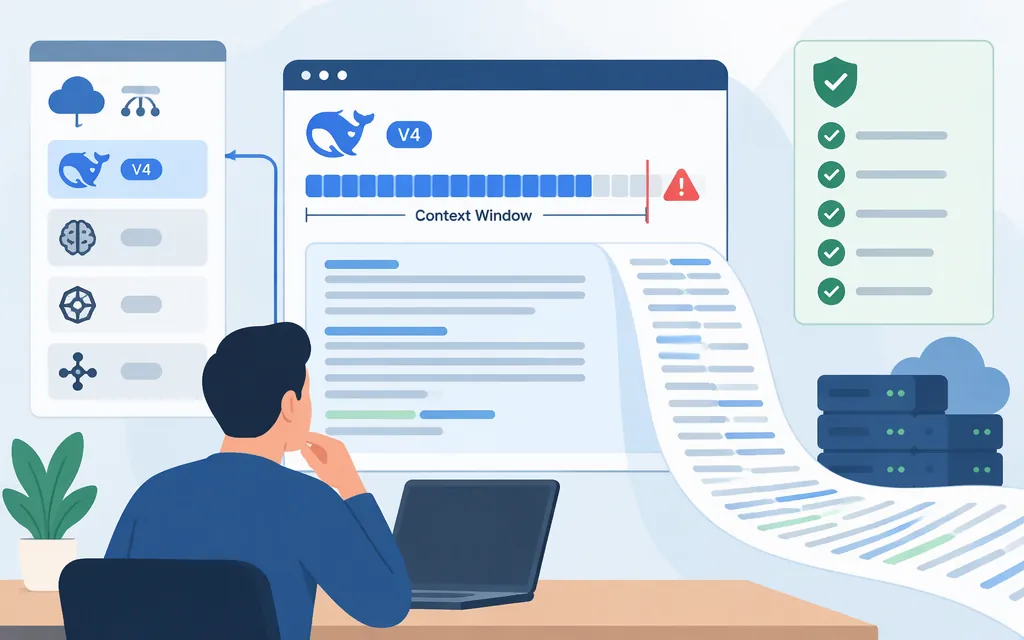
DeepSeek’s V4 models are listed with a 1M-token context window. See which production API models that applies to, how context and output limits differ, and how to check model metadata before deploying.
No—free Gemini app use has variable usage limits. Compare Google’s U.S. monthly plan prices and learn why API budgeting and data-use terms must be checked separately.
Identify xAI’s Grok Imagine Image 2.0, distinguish it from video generation, and review documented image workflows, API access, and per-image pricing.
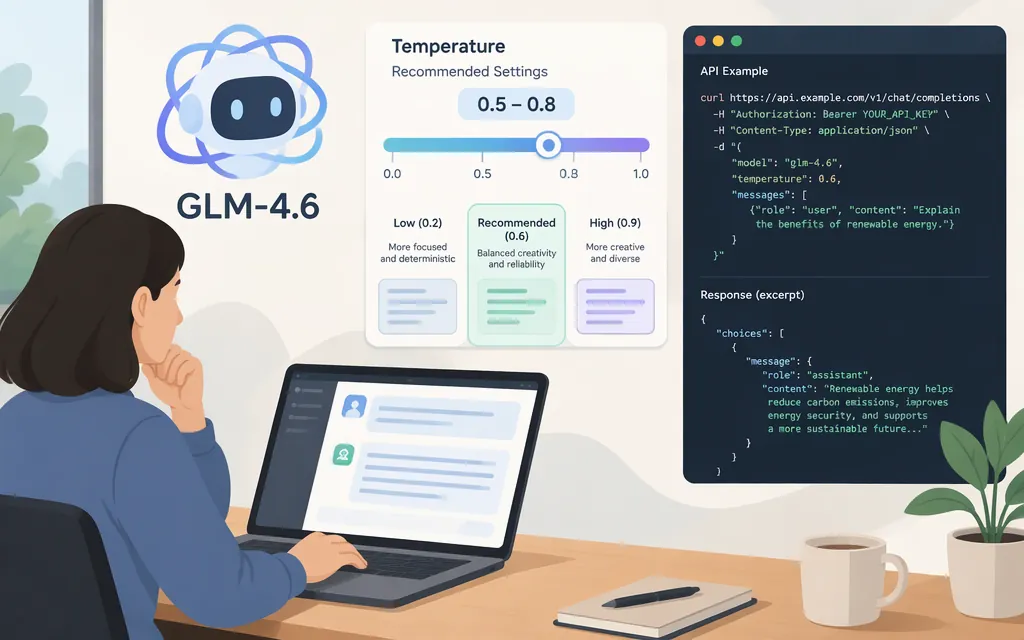
Z.AI documents a GLM-4.6 temperature default of 1.0. Learn when to keep it, when to try a lower setting, and how to pass temperature in a Z.AI API request.
Kimi documents an RMB 15 API voucher for eligible new users with a mainland China mobile number. Kimi’s pages conflict about whether it applies to K3, so check the terms for your account before budgeting. See K3 API rates and a worked cost estimate.
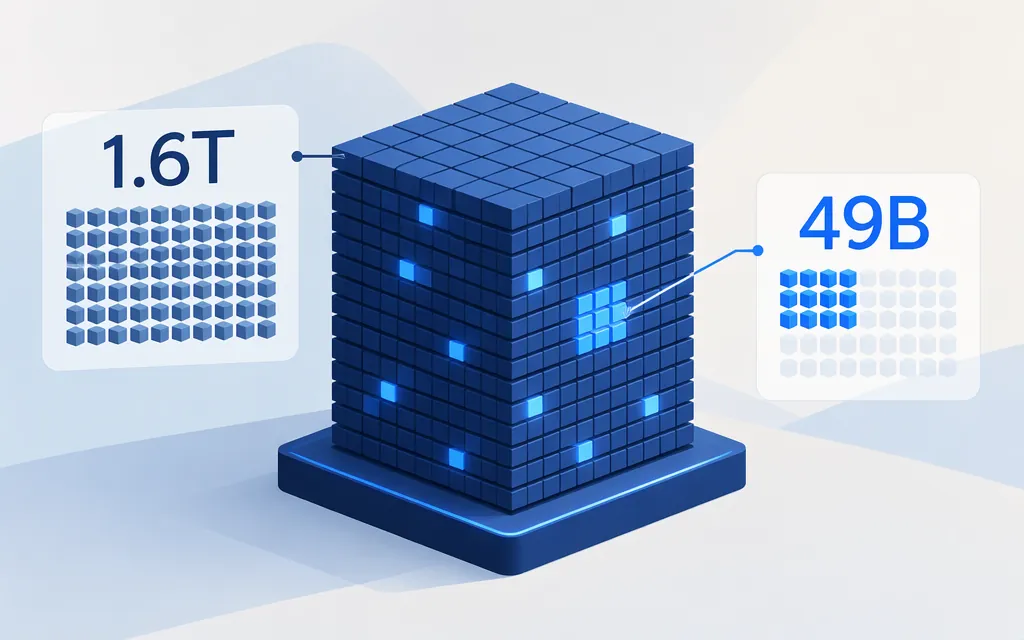
DeepSeek’s model card lists V4-Pro at 1.6T total and 49B activated parameters. See how those figures differ from API settings, and what DeepSeek’s current API docs list for model version, limits, and pricing.
“Qwen doc” can mean Qwen documentation or document processing. Find the Qwen docs, compare Alibaba Cloud Model Studio’s document options, and check the verified region and API conditions.
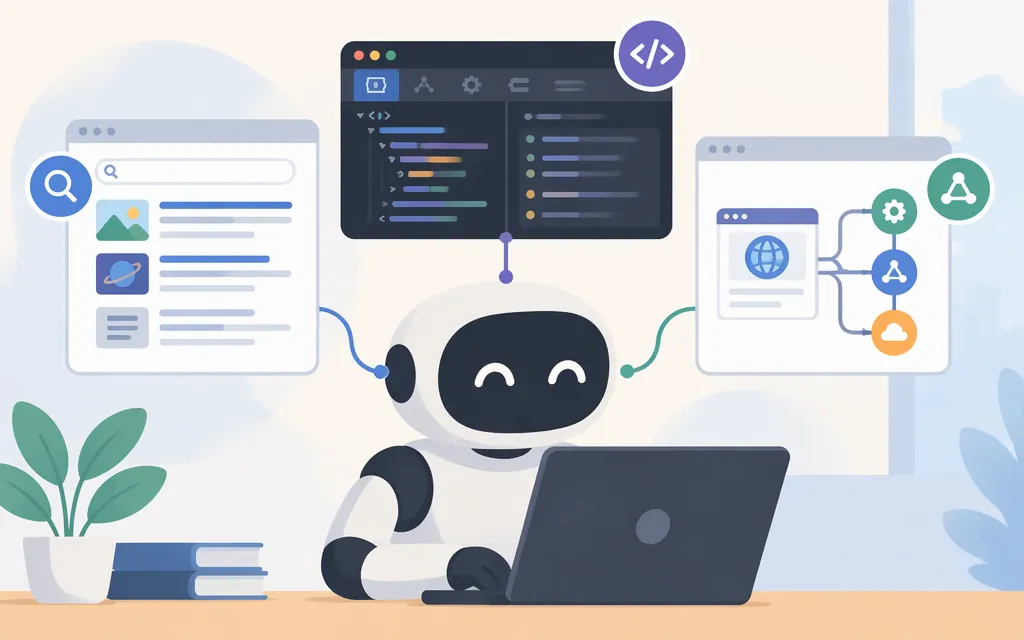
Compare Claude Code options for web search and browser control, set up and verify Chrome DevTools MCP, and understand its experimental WebMCP support and production API distinctions.
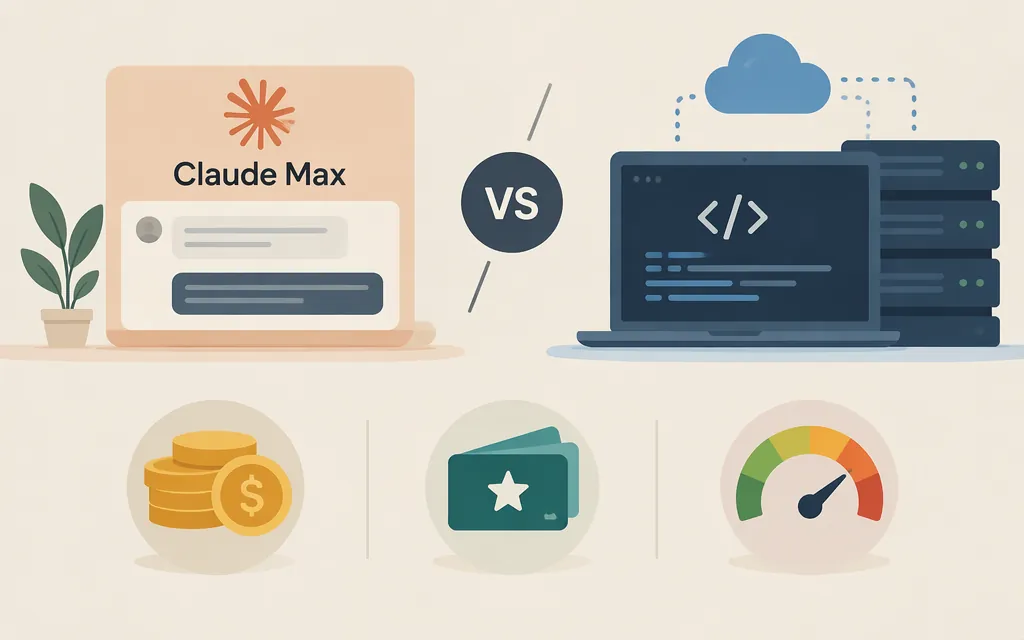
Compare Claude Max with Anthropic’s API for interactive work and production workloads. Learn how to estimate API costs, what Max’s monthly API credit covers, and what happens when usage limits are reached.
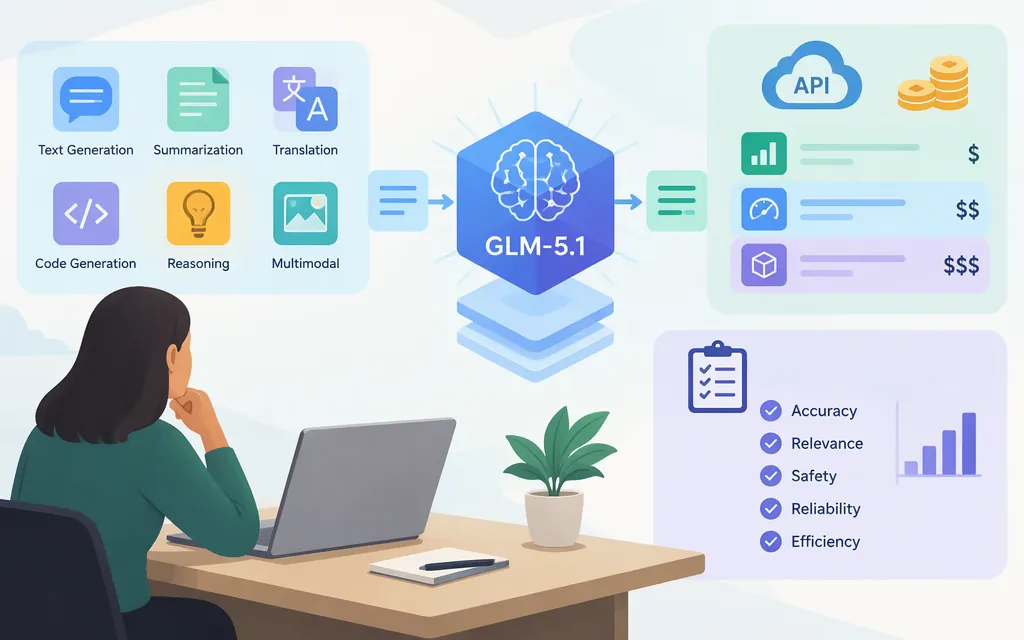
Learn what GLM-5.1 is designed for, what Z.AI documents about its capabilities and limits, its published API pricing, and how to assess it against your production workload.
MiniMax M2 was positioned for coding and agentic workflows. See what historical sources report, why a current direct MiniMax API route could not be verified, and how to assess alternatives.
Find the DeepSeek-V3.2 technical report, understand its reported reasoning and coding evaluations, and see what current DeepSeek API documentation establishes for a tool-using workload.
Compare Gemini and Google Assistant by task, check what’s available on your Android device, and see why a consumer-assistant comparison is not the same as choosing a production AI API.
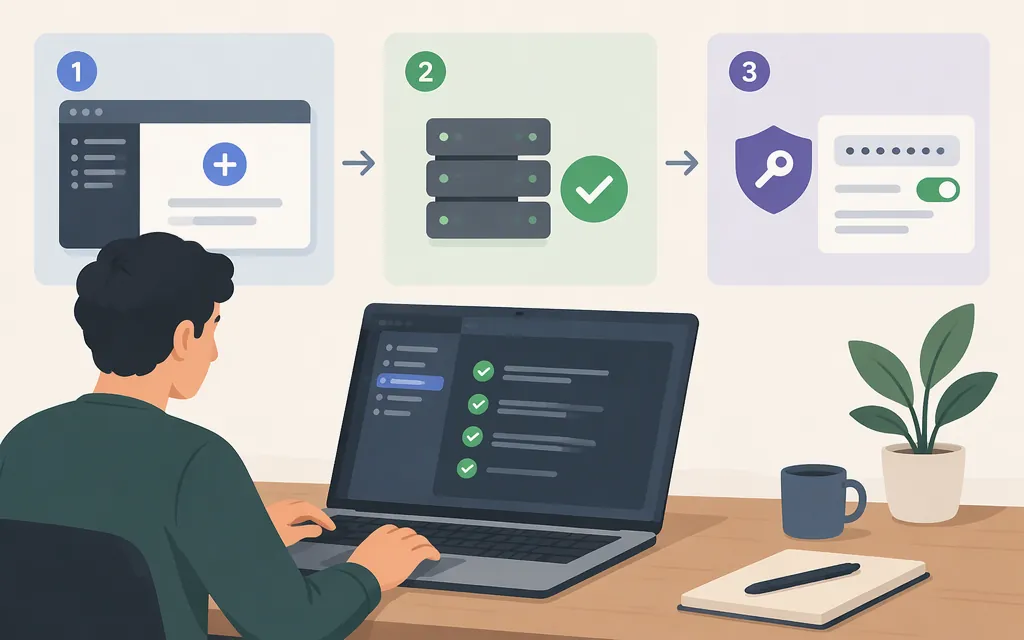
Connect a hosted MCP server to Claude Code, choose a configuration scope, verify it in a session, and keep MCP setup separate from model API authentication.
“Expert” may refer to the Arena Expert leaderboard, not a Grok mode. See what the reported scores mean and what xAI’s API documentation says about Grok 4.1 Fast and current alternatives.