Model APIs
OpenAI API Overview: Choose an API and Make Your First Request
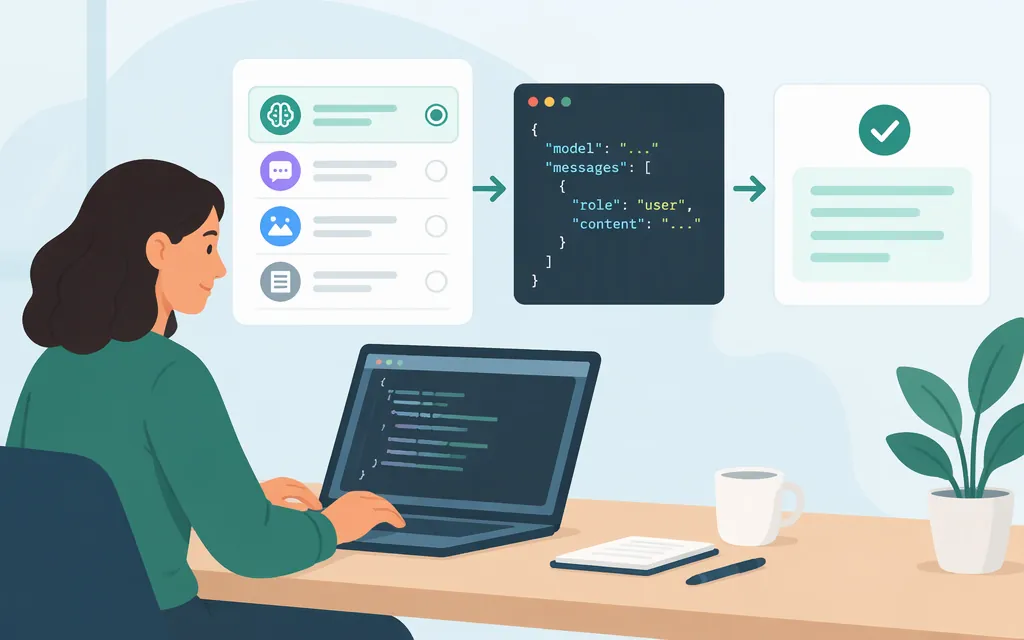
Learn what the OpenAI API can do, how to choose a starting API surface, how to make a first request with the official JavaScript SDK, and what to check before production.
AI model and infrastructure insights
Learn what the OpenAI API can do, how to choose a starting API surface, how to make a first request with the official JavaScript SDK, and what to check before production.
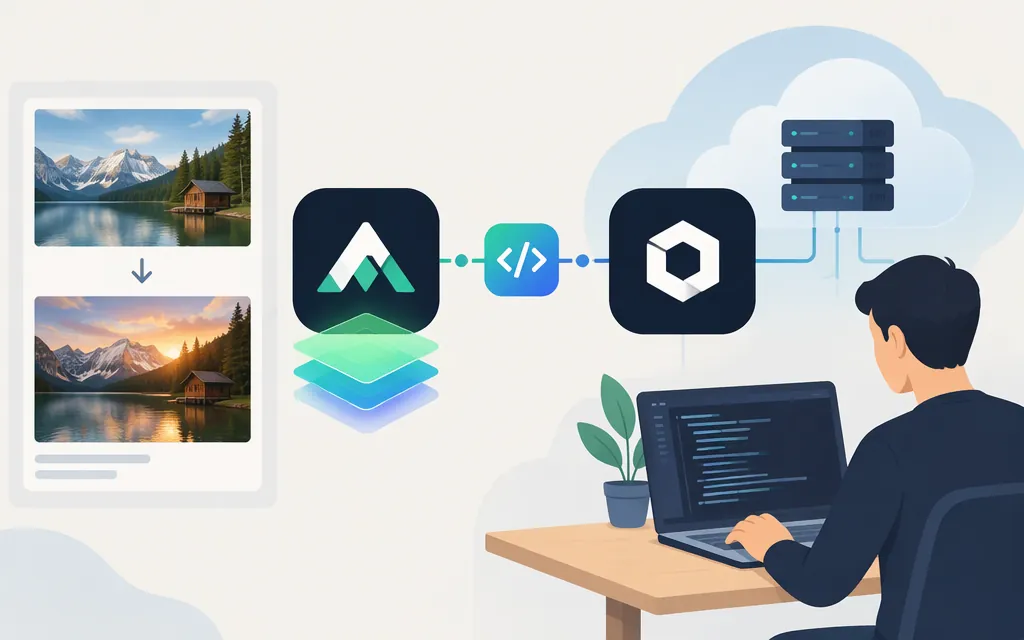
A fal.ai API guide to editing images with FLUX.1 Kontext [pro], including authentication, queue submission, status checks, result retrieval, listed pricing, and production preflight checks.
Understand Gemini 2.5 Flash’s capabilities and current Gemini API status. Existing API users can use it until December 1, 2026, when requests to its model ID are scheduled to route to Gemini 3.5 Flash-Lite.
GPT-5-Codex is marked shut down in OpenAI’s API catalog. Learn how to start a task with Codex CLI, review code changes safely, and distinguish Codex from an API model.
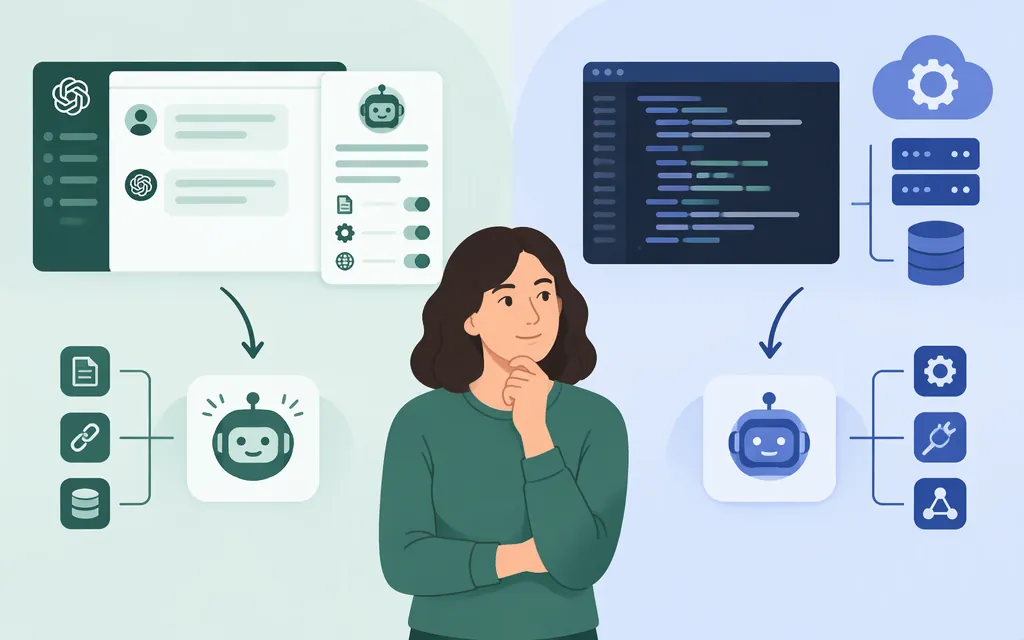
Learn how to choose between a GPT for use in ChatGPT and an API-powered assistant for your own application, with a practical build and testing workflow for each.
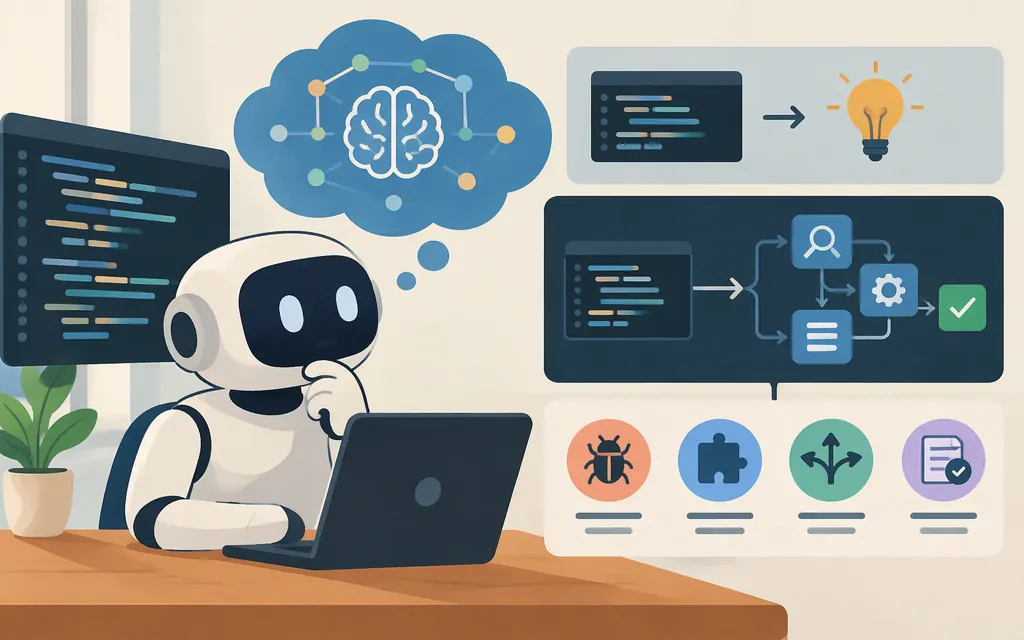
What Claude Code documents about “think harder” and “ultrathink,” how `/effort` works, and what production API users should verify before choosing a reasoning level.
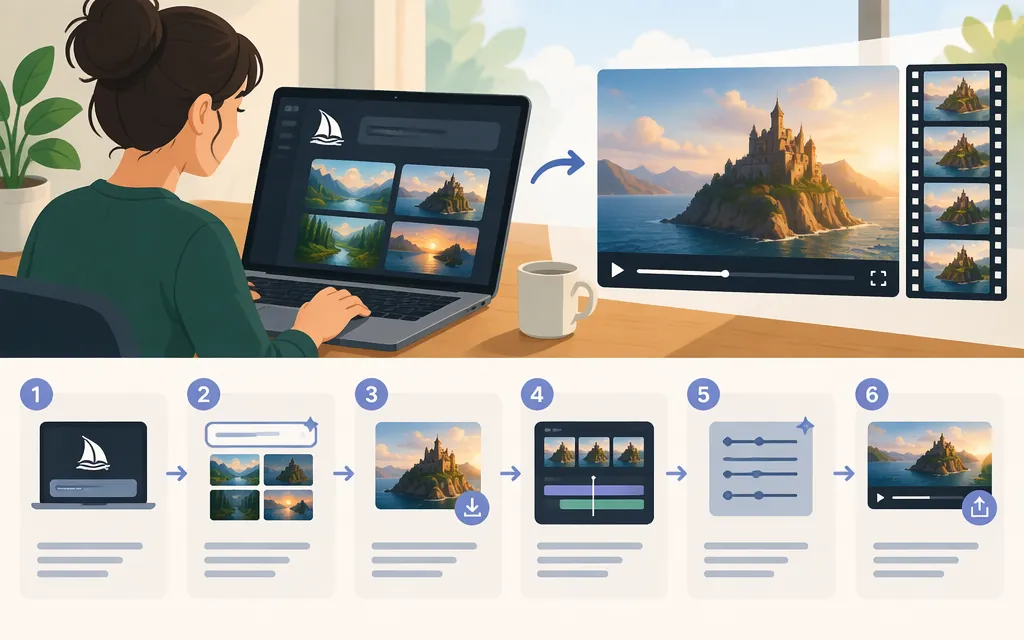
Learn how to animate a Midjourney image on the website, submit and download your clip, extend it, and understand video modes and GPU costs.
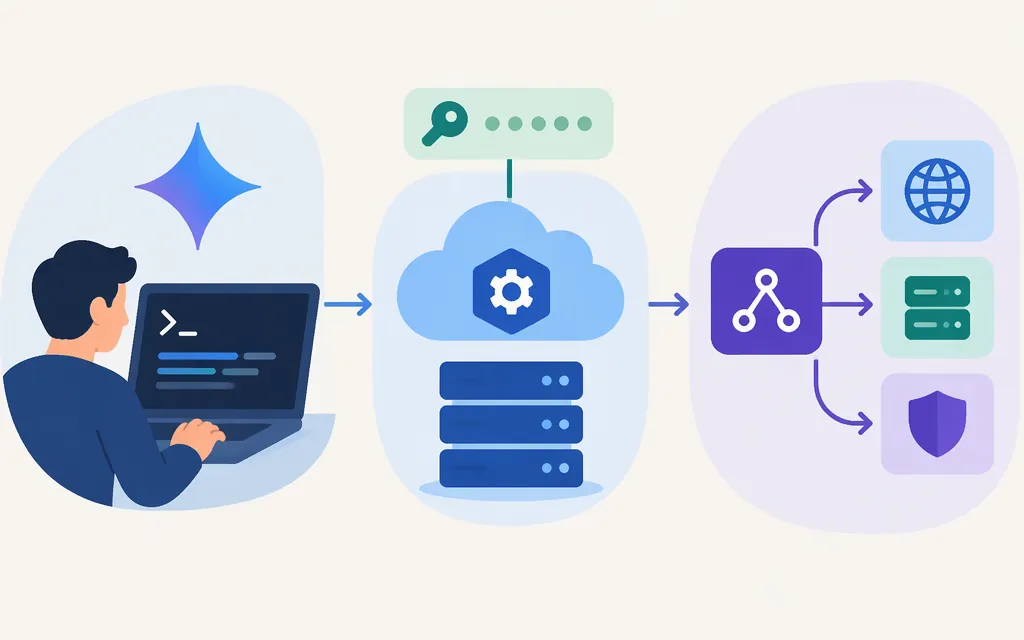
Understand what “Gemini CLI to API” can mean: authenticate the official CLI with an API key, call the Gemini API directly from code, or evaluate a third-party proxy.
Learn how to create an official Kling API key, send it with Bearer authentication, and distinguish it from a third-party provider token. Includes a documented Kling 2.6 text-to-video request and explains what the available reference does not specify about retrieving results.
Copy adaptable prompts for research, competitor comparisons, spreadsheet cleanup, email triage, and content planning. Learn how ChatGPT Work differs from OpenAI’s production API options.
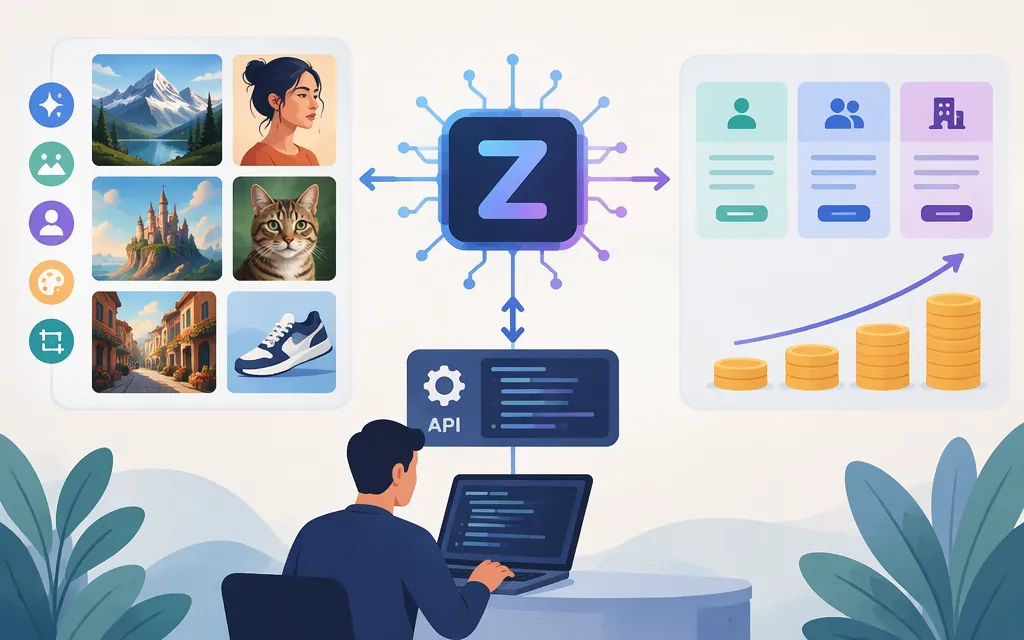
Understand what Z-Image-Turbo can do, how Alibaba Cloud’s documented API works, what its published per-image prices cover, and what to verify before production use.
Learn what an AI model does, how to evaluate it for enterprise workloads, and how Token Forge Cloud supports API access and private inference deployment.
Explore the DeepSeek API, assess model fit and costs, and compare managed API access with private inference options from Token Forge Cloud.
Learn how an OpenAI alternative API fits your workloads, integration needs, deployment options, and inference budget with Token Forge Cloud.
Compare AI API costs using input and output pricing, cost per successful task, rate limits, latency, and managed versus private inference options.
Find the best Chinese AI model for your workload. Compare task performance, deployment options, data handling, latency, and total serving cost.
Explore what to check when evaluating Seedance API access, from model versions and documentation to pricing, usage terms, and pilot planning.
Explore the GLM API, including model selection, integration, pricing, data handling, and API-first and private inference options from Token Forge Cloud.
Explore the MiniMax API: review models, access, pricing, and usage limits, then compare API access with private inference options for your workload.
Explore Qwen API access, cost considerations, model selection, and deployment options with Token Forge Cloud.
Learn how to test the Kimi API, assess model performance and usage, estimate inference costs, and decide when to evaluate private inference.
Explore AI infrastructure and the LLM inference layer, including serving choices, cost considerations, and Token Forge Cloud inference options.
Explore Enterprise AI model access, deployment, and inference costs, including when to consider Token Forge Cloud Managed Model APIs or Private LLM Inference.
Explore AI APIs and compare managed access with private inference deployment, including what to consider for model fit, reliability, data handling, and inference cost.