Image generation
Gemini AI Image Generator: Free Prompts and API Budget Guide
Try free-to-copy Gemini image prompts, check no-plan app access and eligibility, and see what’s confirmed—and still unknown—about production API pricing.
AI model and infrastructure insights
Try free-to-copy Gemini image prompts, check no-plan app access and eligibility, and see what’s confirmed—and still unknown—about production API pricing.
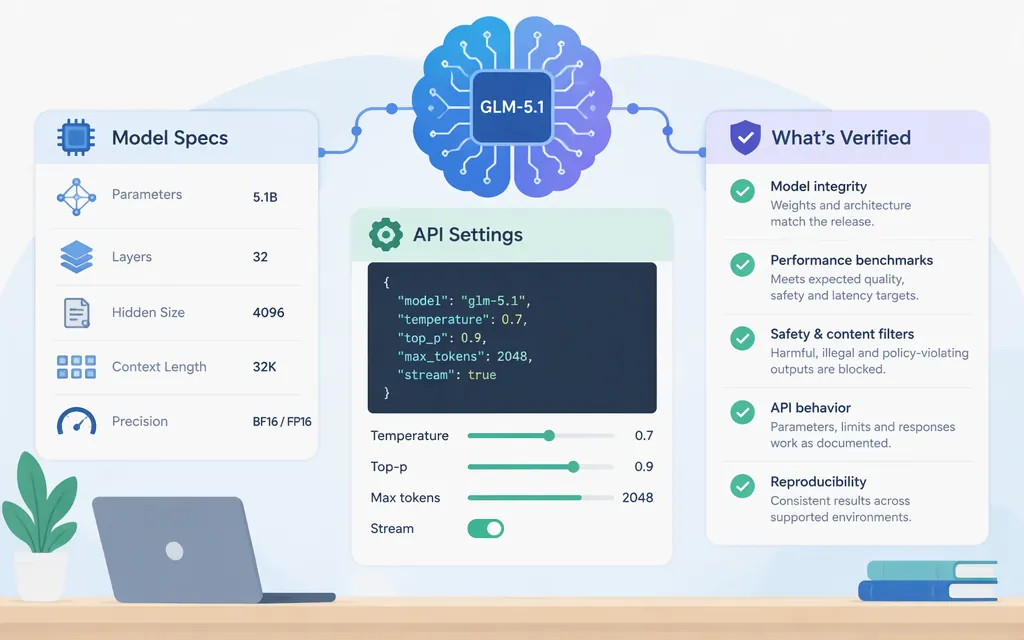
Separate GLM-5.1 model specifications from API generation settings. Review Z.ai’s listed context and output limits, documented thinking behavior, supported capabilities, and provider checks for production.
See how to create a video in the Gemini app, what to check if video generation is unavailable, and how the separate Gemini API route differs.
Google does not publish one universal daily prompt count for Gemini Apps. Learn what affects app limits, where to check your account’s limit, and how API quotas differ for production use.
Learn a practical Kling prompt structure, refine a scene step by step, and submit a documented Kling 3.0 text-to-video API request. The example covers task submission; callback setup and video retrieval remain unconfirmed.
Learn how to generate and edit images with GPT Image 2 through OpenAI’s API, save Base64 image output, check model limits, and distinguish direct API pricing from third-party gateway prices.
Yes, ChatGPT image input is available on the Free plan at no subscription charge, but uploads have usage limits. See what OpenAI documents—and how API costs are calculated for production.
See the listed Kimi K2 Thinking API rates, how they differ from historical Turbo pricing, and what remains uncertain for a production budget.
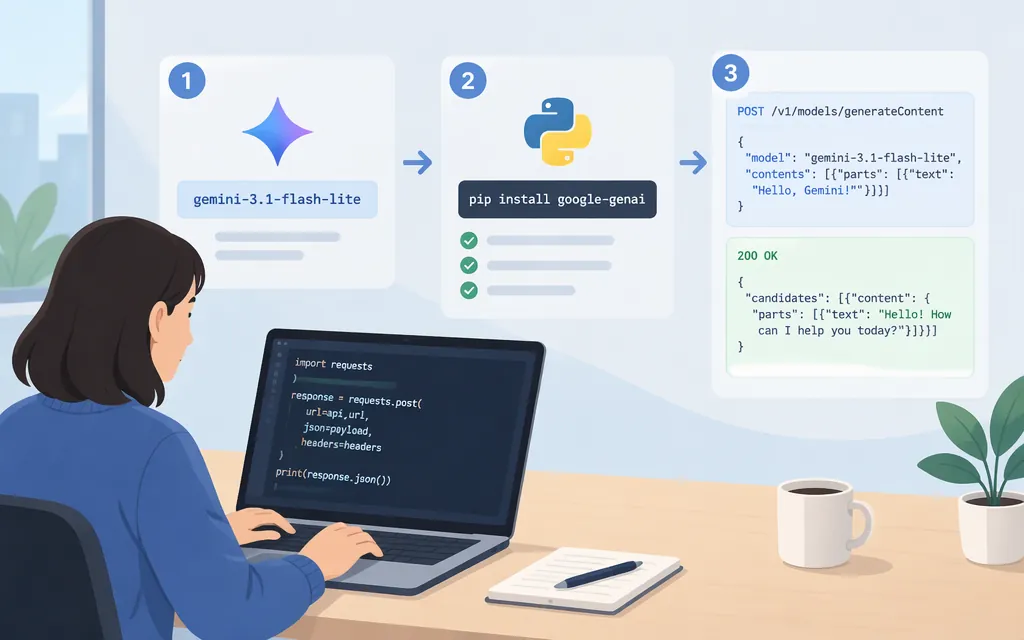
Use the stable Gemini 3.1 Flash-Lite model through Google’s Gemini API. Find the model ID, set up the Python SDK and API key, run a first request, and check production limits.
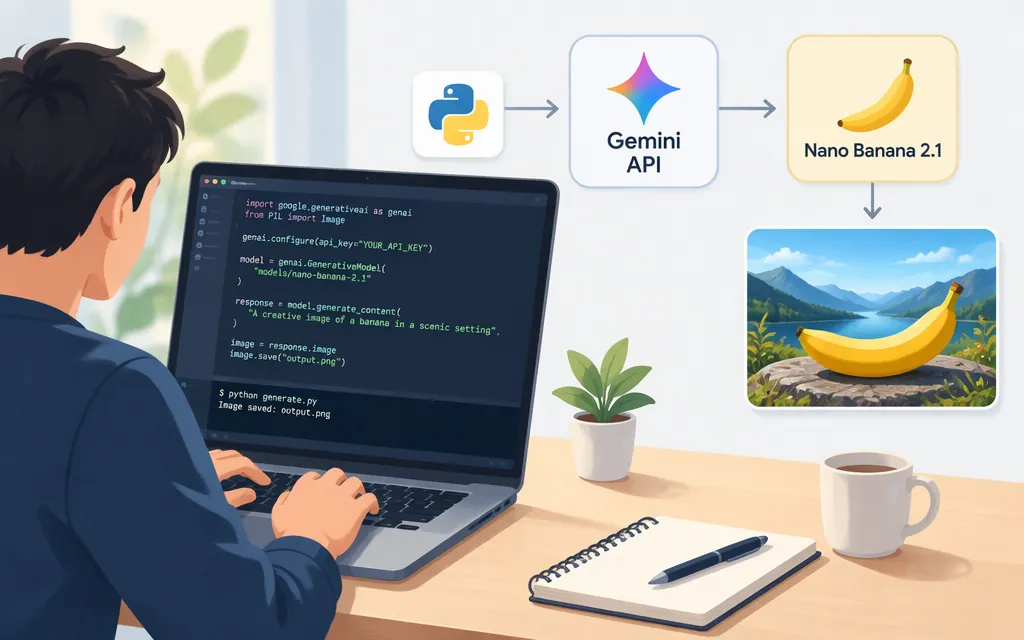
Connect to Gemini image generation with Python, choose a current image model, send a text prompt, and save the returned image. Includes the API and model caveats developers should know.
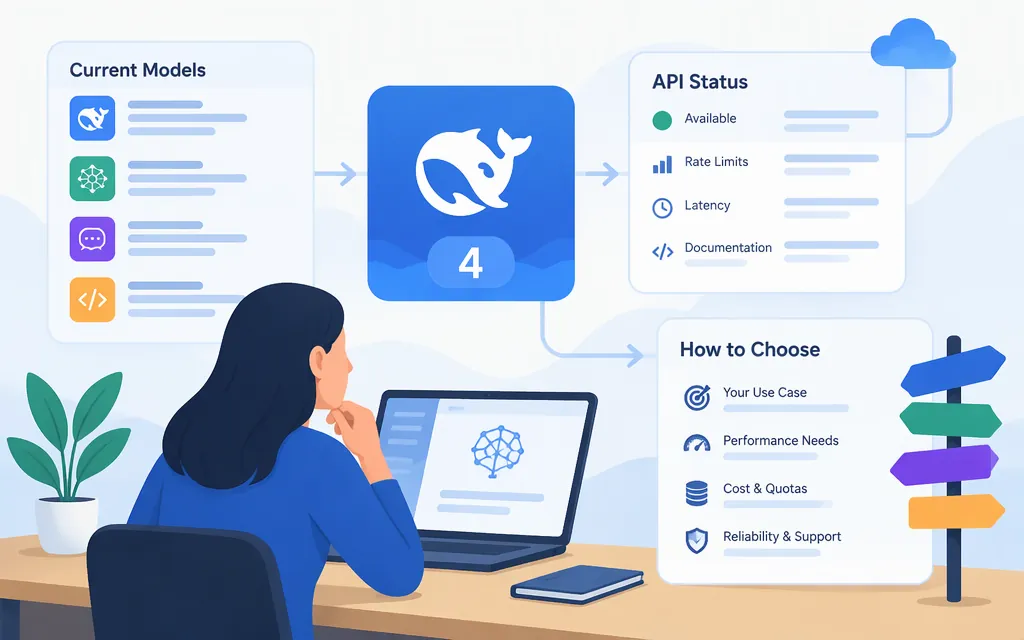
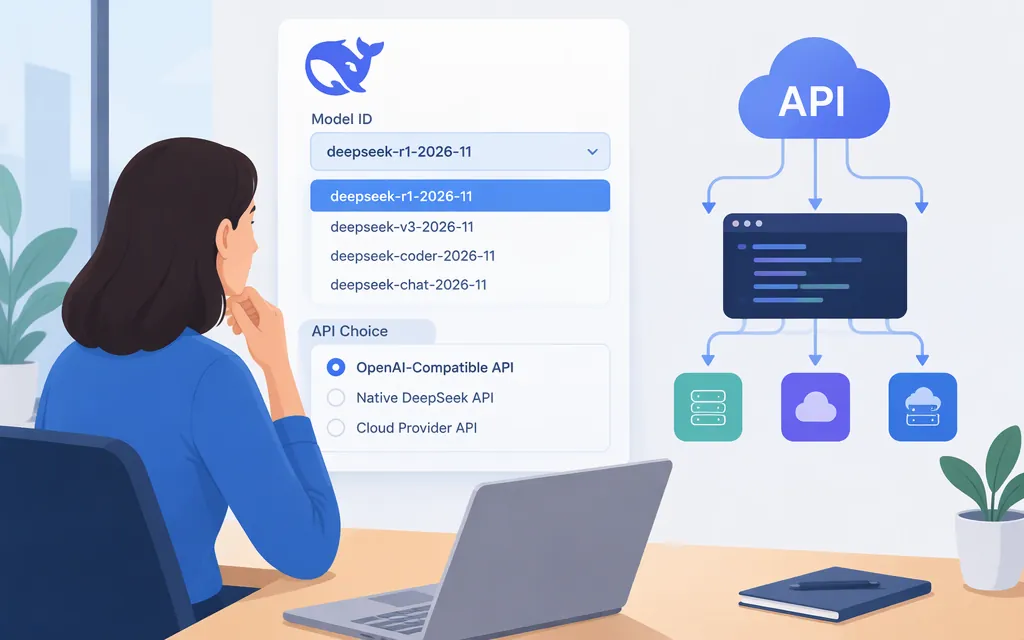
DeepSeek V4’s API lineup has changed. Compare the documented Flash and Pro models, features, pricing, and points to verify before choosing a production route.
See what the GLM-4.5 Claude Code benchmark shows, what Z.ai’s documentation confirms about its plans and API keys, and what to verify before choosing a production route.
Understand Qwen’s architecture options, what Qwen3 documentation does—and does not—confirm, and how to check model and API fit for production.
Understand what Qwen2.5 includes, when to evaluate its general, coding, or math models, and what to verify before using a hosted API or self-hosting a checkpoint.
Z.AI lists GLM-5 at $1.00 per 1M input tokens and $3.20 per 1M output tokens, with cached input listed at $0.20. See sample cost calculations and what to check before budgeting for a production API route.
Find out whether Grok API calls are free, what Playground and X subscriptions include, and how to estimate API costs using xAI’s published rates.
Google’s current help pages describe daily Deep Research limits, but don’t give a fixed monthly count. Here’s what that means for Gemini plans and the Gemini API.
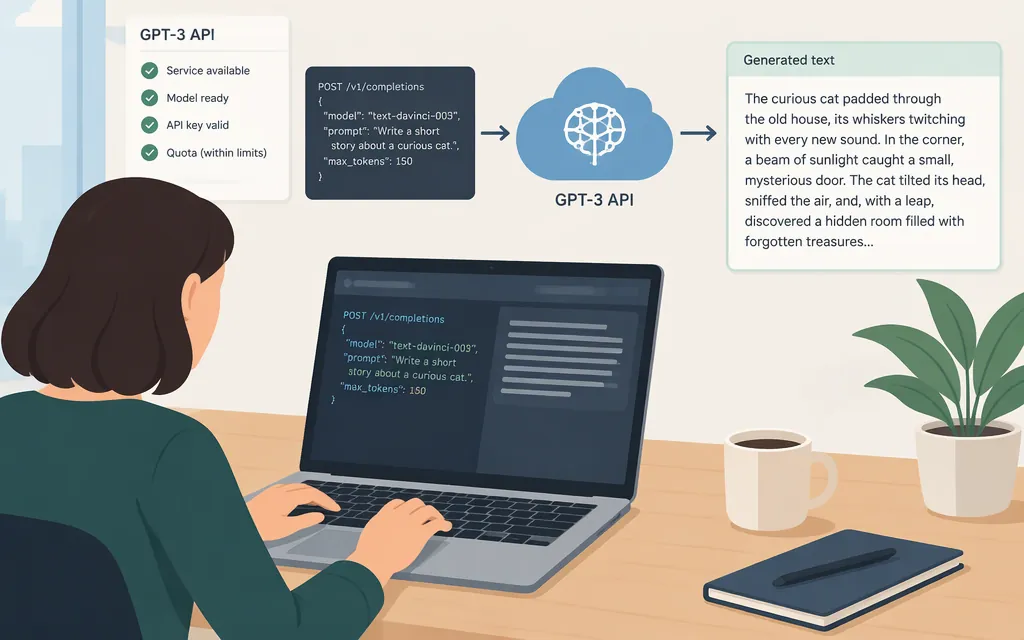
Learn what “GPT-3 API” may mean, why an older GPT-3 model ID may no longer work, and how to make a current text-generation request with OpenAI’s Responses API.
Yes—Claude is a family of AI models from Anthropic, and the name is also used for its assistant. Learn how models, the assistant, API access, and Claude Code differ, plus how to assess Claude for a production task.
Review GPT-4.1 mini’s documented capabilities, limits, and OpenAI API pricing. Learn what its deprecated status means and how to check whether a shutdown date applies to your model ID.
DeepSeek’s latest announced API model is V4.1-Flash-1017, called with the API ID deepseek-flash. Compare its documented features and pricing with the separately listed Pro option.
Get the official GLM-5 weight links, compare BF16 and FP8, check a documented vLLM deployment configuration, and find Z.ai’s API access steps.
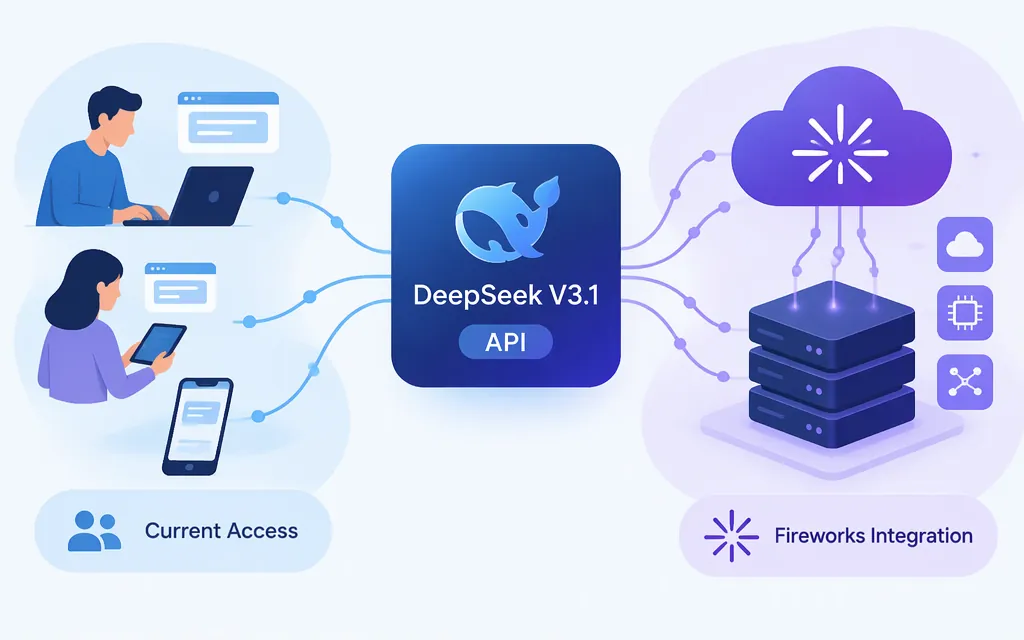
DeepSeek’s V3.1 Terminus API sample uses a URL labeled with an October 15, 2025 expiry date; that label alone does not confirm the route’s current status. Fireworks lists V3.1 for on-demand deployment. See its setup steps, request example, and provider-specific caveats.
DeepSeek-R1’s official configuration sets max_position_embeddings to 163,840. Learn what that value establishes, why it is not automatically an advertised or API context limit, and how to check your provider’s endpoint.