Coding agents
Grok Code Fast 1 Review: Evidence, API Status, and Pricing
A qualified review of Grok Code Fast 1, including anecdotal coding feedback, its API retirement and routing, and current Grok Build 0.1 pricing.
AI model and infrastructure insights
A qualified review of Grok Code Fast 1, including anecdotal coding feedback, its API retirement and routing, and current Grok Build 0.1 pricing.
A production-focused comparison of Claude Opus 4.1 and GPT-5, including current API lifecycle status, historical pricing, evidence limits, and a practical evaluation approach.
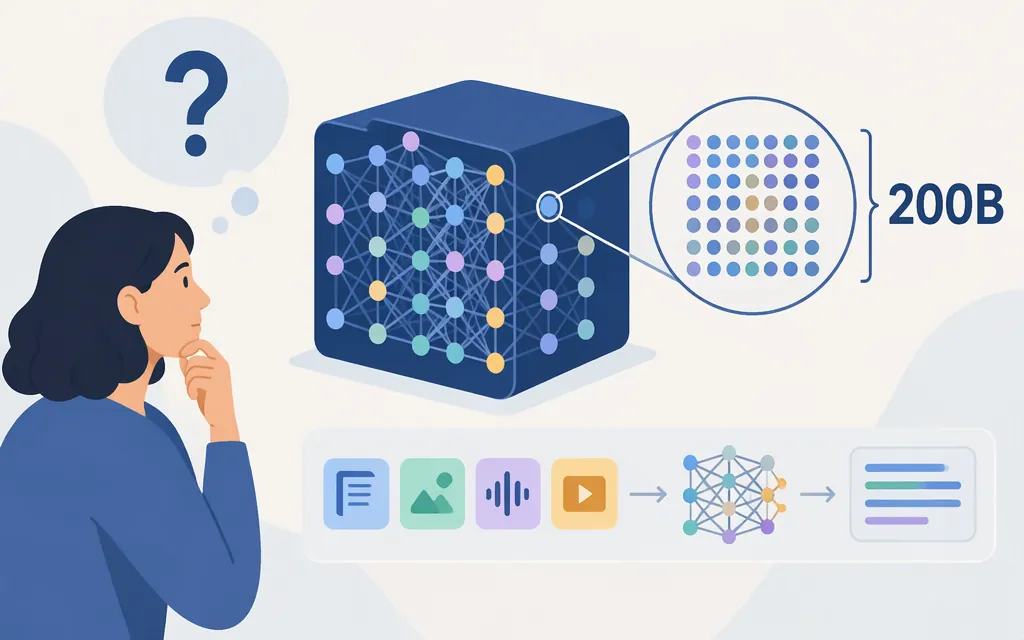
A secondary article reports an estimate of about 200 billion parameters for GPT-4o, but the retrieved evidence does not confirm the original figure or its link to the cited paper. Here’s what remains uncertain and what to check for API selection.
GPT-5 is retired from ChatGPT and listed as deprecated in the OpenAI API. Learn what to choose in ChatGPT and how to test API access, including billing checks.
Compare Gemini 2.5 Pro with named OpenAI API models—not the ChatGPT app. Review documented limits, conditional workload fit, the Gemini availability caveat, and what remains unknown about a like-for-like API cost comparison.
OpenAI now labels GPT-5 Pro deprecated. See its documented API model ID, capabilities, pricing, and integration constraints—and how to evaluate GPT-5.5 Pro without assuming it is a direct replacement.
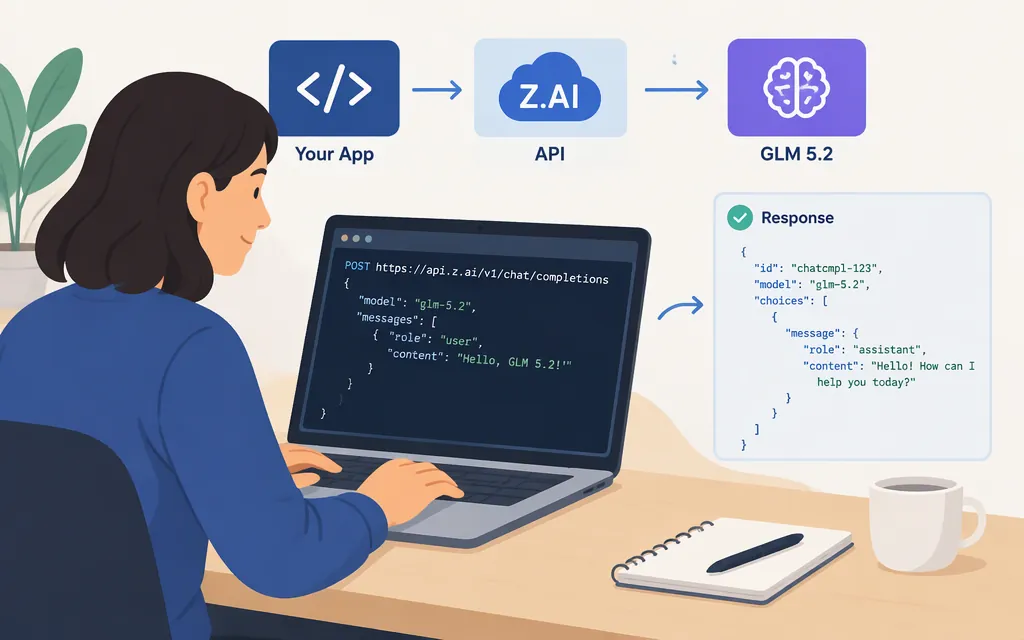
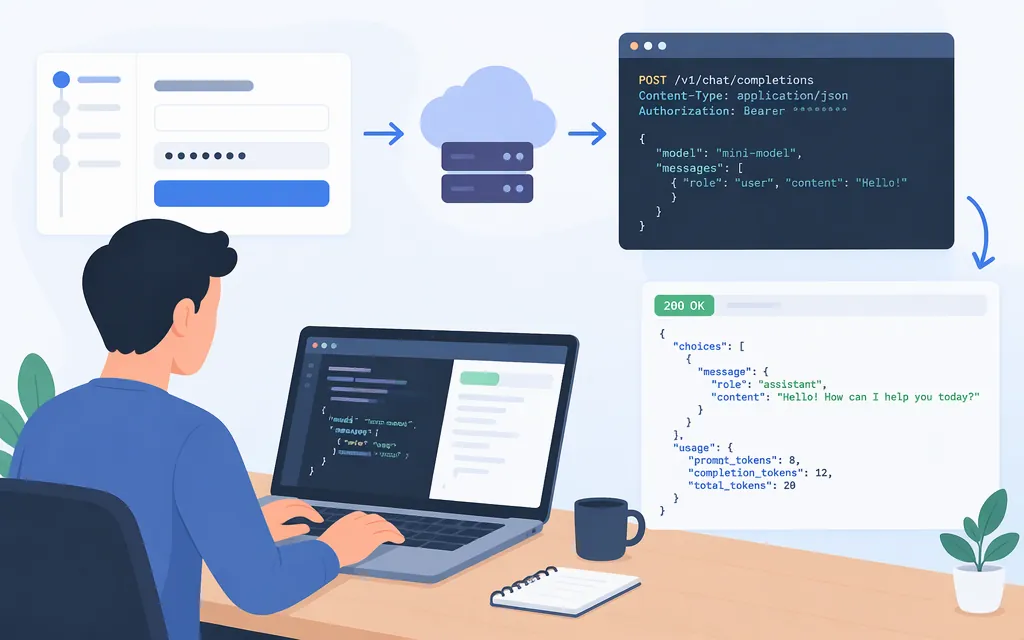
Set up a Z.AI standard API key, send a GLM-5.2 chat-completions request, inspect the response, and test the model against your workload.
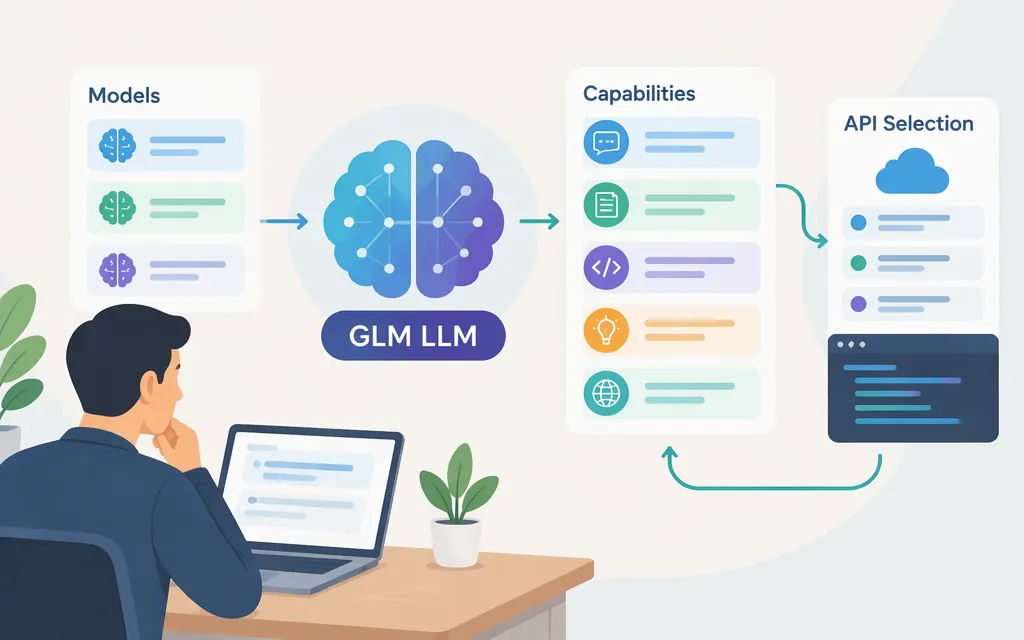
GLM is a family of large language models. Learn what the name means, how capabilities differ by release, and what to check before choosing a GLM production API.
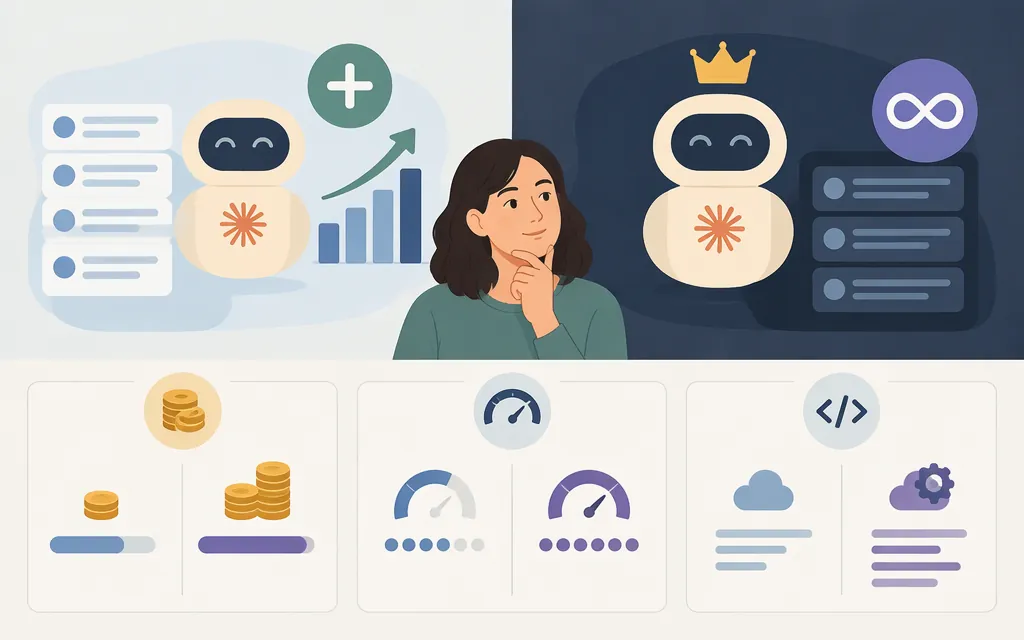
Compare Claude Max’s fixed subscription with paid Extra Usage: what each covers, how charges and spending limits work, and when to price production API use separately.
Compare Z.AI’s listed GLM-4.6 and GLM-5.2 input, output, and cached-input prices in USD per million tokens, with reproducible cost examples.
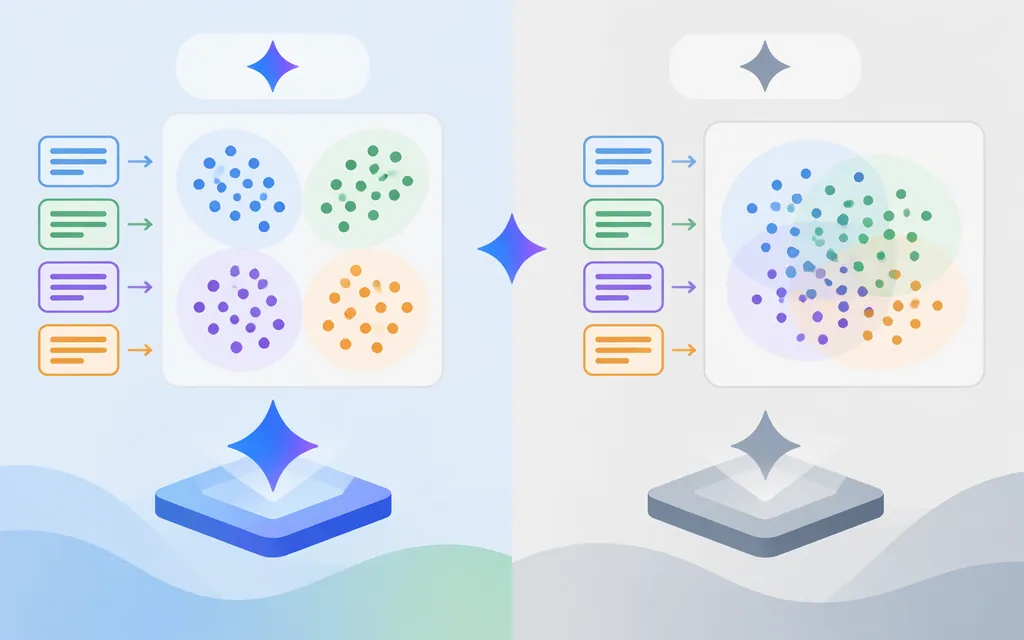
Compare Gemini Embedding 2 and gemini-embedding-001 by modality, input limits, dimensions, API setup, and retrieval configuration—with a direct Python example.
GPT Image 1 was shut down by OpenAI on October 23, 2026. Learn why it is no longer an option for a new production API integration and how to evaluate its documented replacements.
Compare Claude Opus 4 and Sonnet 4 with Gemini 2.5 Pro by workload. Review documented capabilities, API access qualifications, historical pricing, and a practical evaluation plan.
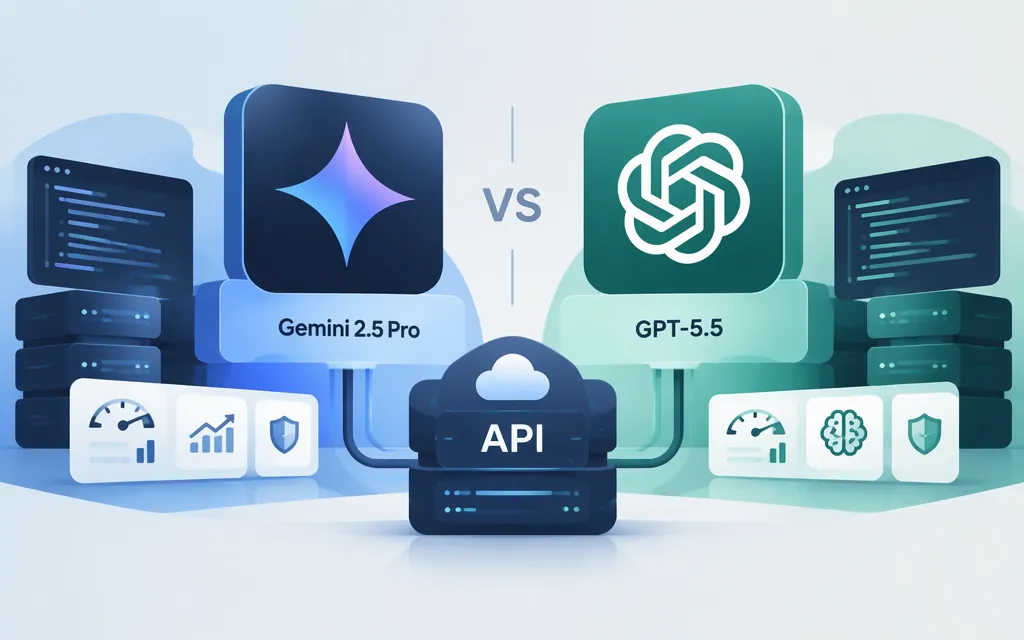
Compare Gemini 2.5 Pro and GPT-5.5 API capabilities, access notices, and documented GPT-5.5 pricing. Gemini 2.5 Pro’s current price could not be verified, so a complete cost comparison isn’t available.
Set up a direct MiniMax API connection with the Anthropic SDK, choose the right credential for your billing path, send a first request, estimate token costs, and prepare for production.
Find MiniMax’s official API documentation, choose the right model reference, and make a direct authenticated chat-completions request. Includes SDK options and production integration checks.
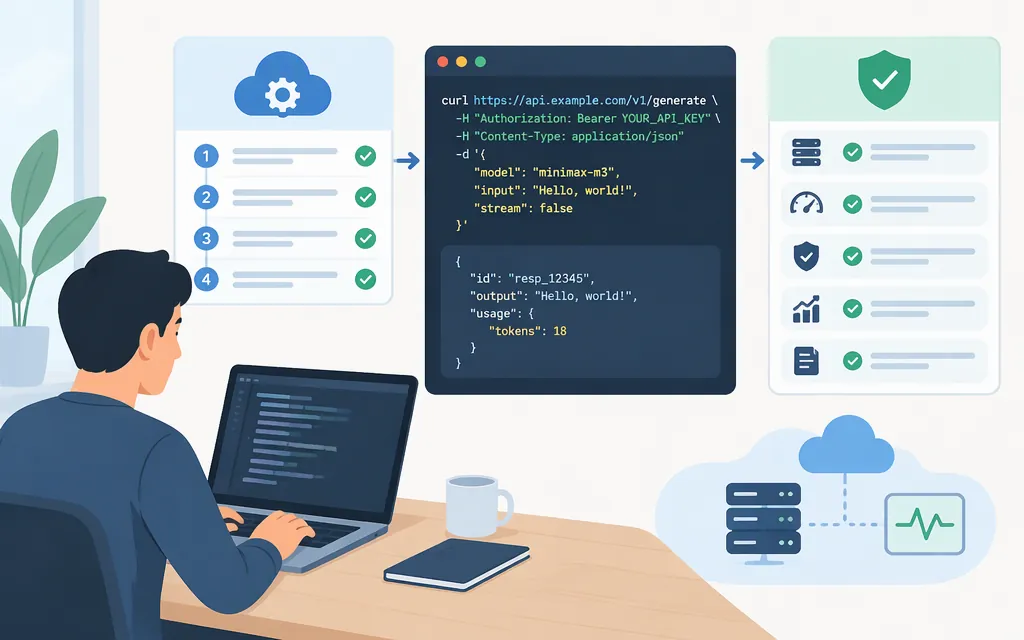
Connect to MiniMax M3 through MiniMax’s official OpenAI-compatible API. Get the endpoint, authentication pattern, a copyable cURL request, and route-specific production checks.
GPT-4.1 API pricing is $2 per 1M input tokens, $0.50 per 1M cached input tokens, and $8 per 1M output tokens. See example calculations and an important model-status caveat.
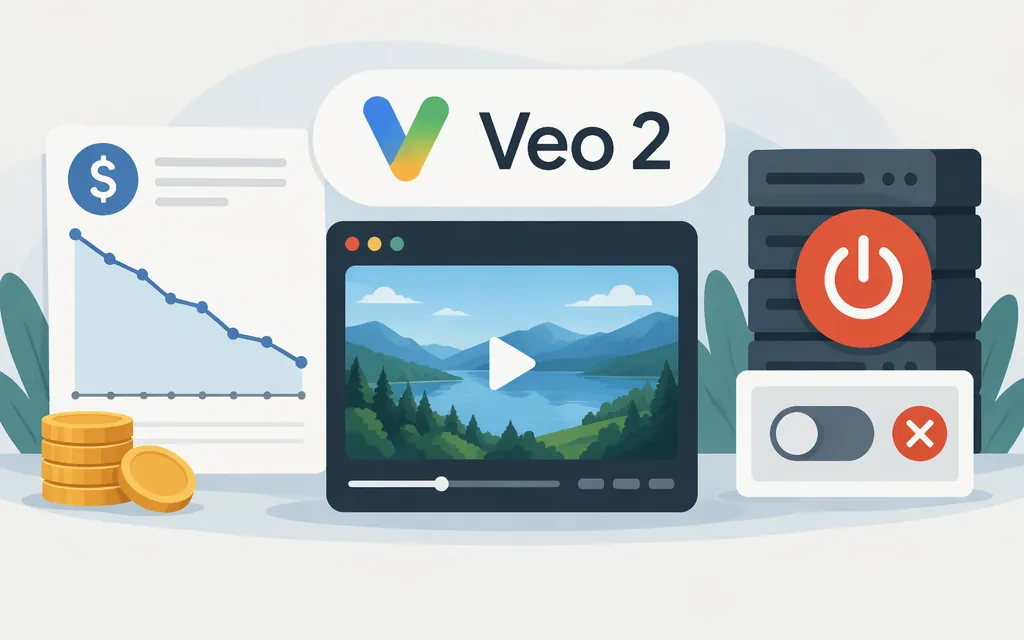
Google announced a historical Gemini API rate of $0.35 per second for Veo 2. Google confirms the Gemini API model was shut down; its Cloud documentation describes a deprecated endpoint and a migration deadline, not confirmed Cloud shutdown.
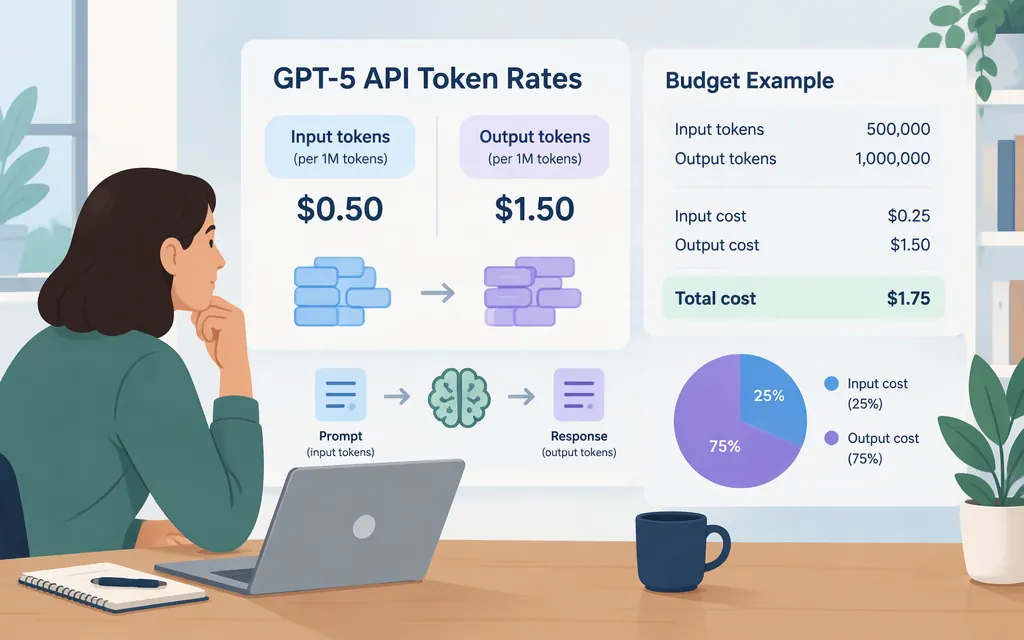
See OpenAI’s listed standard GPT-5, mini, and nano API rates, how reasoning tokens affect output billing, and a worked cost estimate. OpenAI has scheduled older GPT-5 model snapshots for API removal on December 11, 2026.
Learn what GLM means in generative AI, how selected Z.ai models differ by workload, and what to check when using a GLM model through a production API.
Learn what “Kimi token” can mean, how token counting differs from context length and API keys, and how to choose between documented Kimi API model options.
A version-aware guide to DeepSeek V4 models, image support, documented limits, current API identifiers and listed token prices—plus what the evidence does and does not establish.
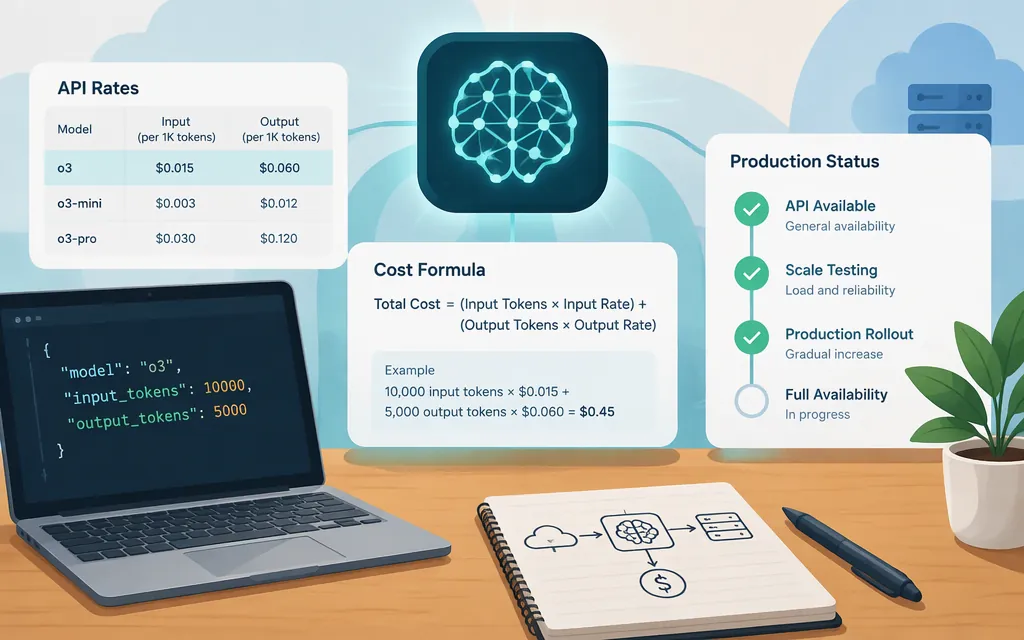
See OpenAI’s listed o3 API prices per million tokens, calculate request costs, understand Batch’s 24-hour workflow, and check what the official documentation says about production status.