Model APIs
GPT-OSS-120B model: capabilities, fit, API access, and costs
Learn what GPT-OSS-120B can do, when to consider 20B instead, how hosted inference differs from OpenAI API access, and what to verify before production.
AI model and infrastructure insights
Learn what GPT-OSS-120B can do, when to consider 20B instead, how hosted inference differs from OpenAI API access, and what to verify before production.
Claude Max costs $100 per month for a web subscription. See how Ultra differs and how Max’s monthly API credit applies to production API use.
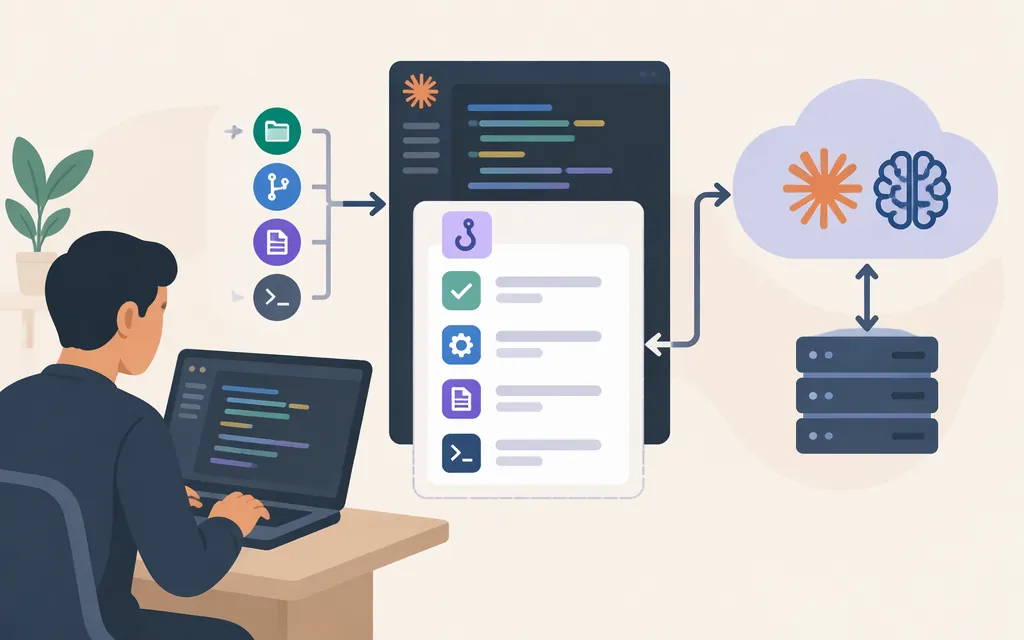
Learn what Claude Code hooks do, when to use PreToolUse or PostToolUse, how to inspect configured hooks, and how hooks differ from direct Claude API access.
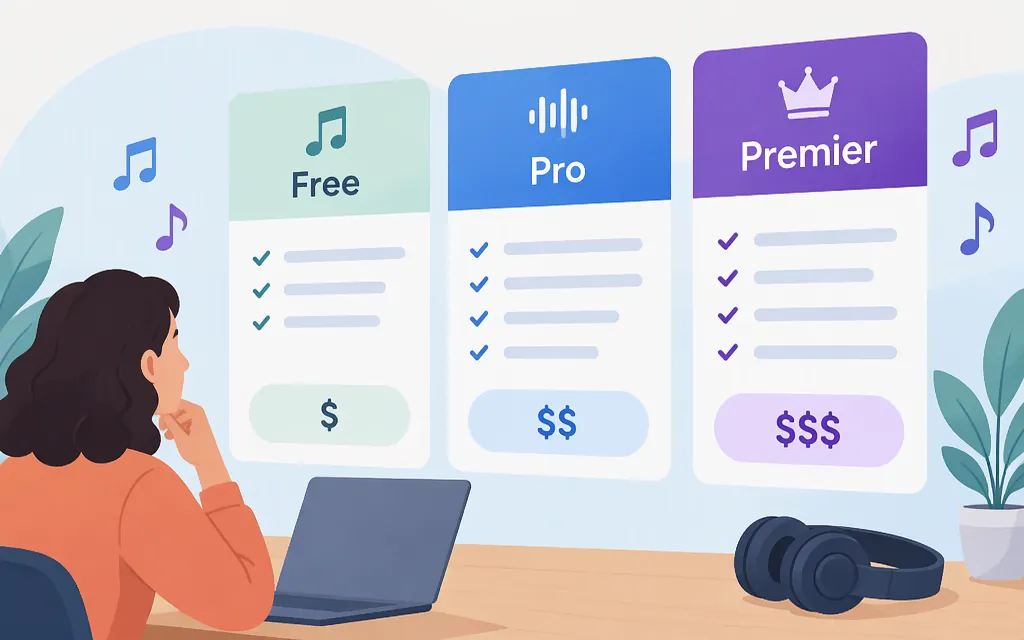
Compare Suno’s listed annual prices, reported monthly rates, credit allowances, and commercial-use conditions. See what is confirmed—and what remains unverified—about third-party API costs.
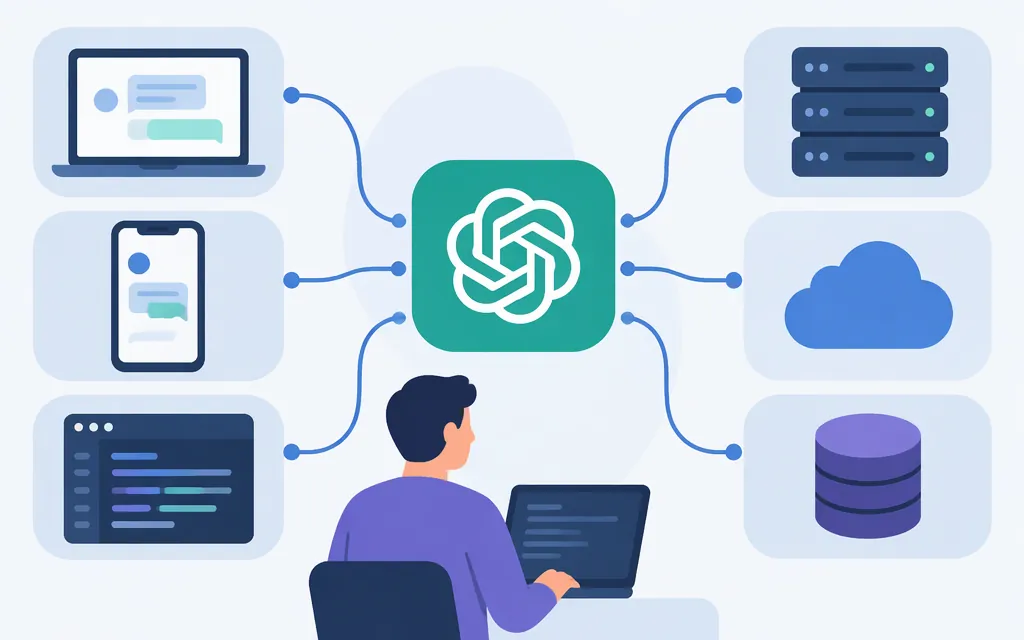
Learn what OpenAI-compatible APIs do—and don’t—guarantee. Compare documented direct API settings for Kimi, Qwen, GLM, and MiniMax, then adapt a Chat Completions request and test your migration.
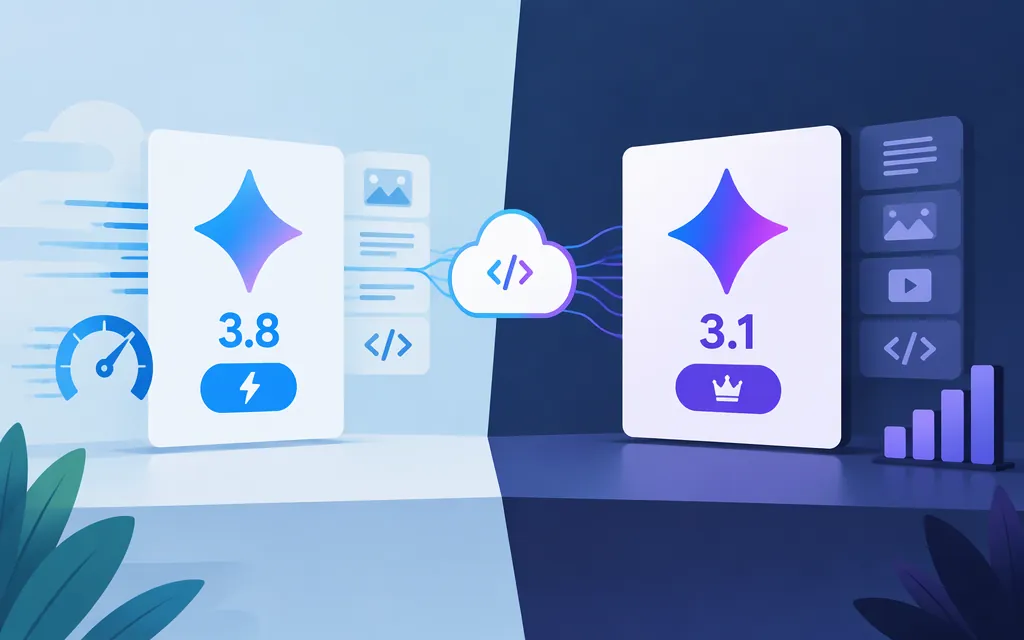
Compare Gemini 3.8 Flash with Gemini 3.1 Pro Preview for API workloads. See their intended uses, limits, dated price information, and how to evaluate both before production.
Compare Claude Code with Google’s coding-agent options, then compare Gemini 4 Argon and Claude Opus 5.5 APIs for production coding workloads—without confusing agent tests with model performance.
Compare Kimi K3.1 Pro, Highspeed, and Kimi-Dev by workload, check live API model metadata, and distinguish provider-listed prices from direct Moonshot pricing.
See which Claude plans include monthly API credits, how to link a Console organization, how prepaid credits work, and what happens when your balance runs out.
Sora’s web and app experiences ended April 26, 2026, and its API ended September 24, 2026. Here’s what that means for creating videos and exporting old work.
Make a first Gemini Developer API request with Python, Google’s GenAI SDK, and the stable Gemini 3.8 Flash model. Includes API-key setup, access prerequisites, and a runnable example.
Choose Alibaba Cloud Model Studio or a third-party Qwen API provider, create the matching key, make a first request, and understand region-specific pricing.
Suno’s official materials describe an MCP connection and a separate content-credential API, but do not establish public self-serve access to a general music-generation REST API. Learn how to distinguish those options from third-party integrations.
ChatGPT Agent mode is no longer available as a separate feature. See how ChatGPT Work handles multi-step tasks, how to find its current starting instructions, and which OpenAI API routes to consider for a production product.
Compare listed Grok subscription prices with xAI API charges, including a production cost estimate for global and US regional endpoints.
A practical guide to Google Veo pricing for production API use: what current Google documentation confirms, which older rates not to rely on, and how to scope a budget.
Make a text-to-speech request with OpenAI’s Python SDK, save the audio, and understand the scheduled Speech API shutdown and what its Realtime migration does—and does not—replace.
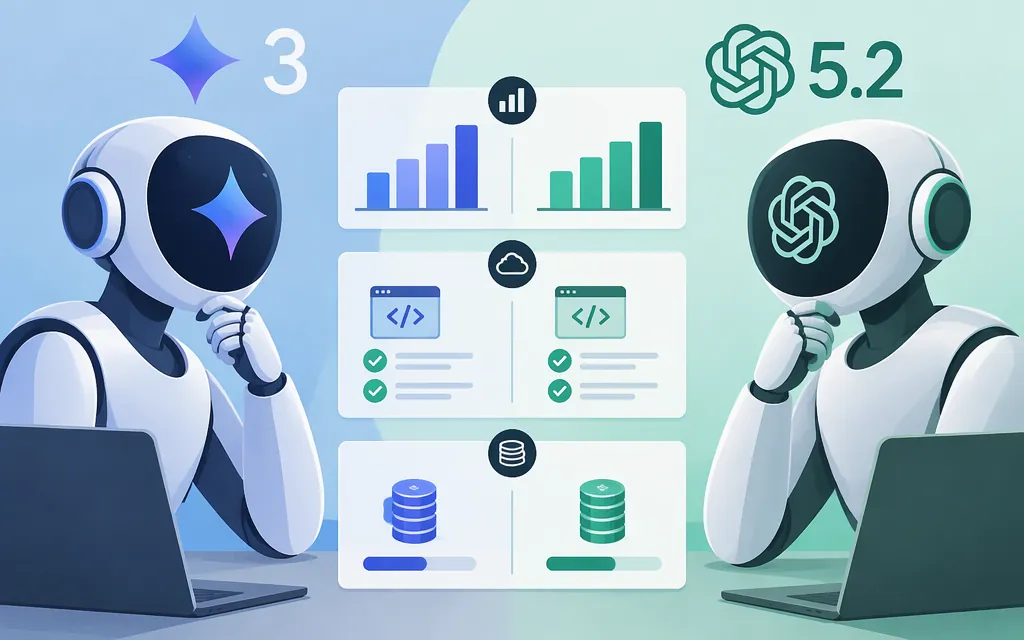
Compare reported Gemini 3 and GPT-5.2 benchmark results and historical API rates. Google documents the Gemini Developer API model shutdown; the cited evidence does not establish current Vertex AI availability.
DeepSeek’s Janus-Pro model supports text-to-image generation, while its API documentation describes image analysis. See what the available evidence establishes before choosing a model or production API.
Create a Claude Code skill or add an existing one, choose project or personal scope, invoke it, and understand what’s different when using skills with the Claude API.
Learn how Kling’s direct API differs from third-party integrations, authenticate with the documented regional hostname, submit a Kling 3.0 text-to-video task, and receive its result through a callback.
Grok Code Fast 1 was retired from the xAI API on May 15, 2026. Learn how xAI maps the old model name, what coding capabilities and prices it reports for grok-build-0.1, and see a minimal API request before evaluating production use.
“Qwen Next” can refer to different models. Compare Qwen3-Next with Qwen3.8-Flash-Next, review documented capabilities, and check production API availability for the exact model.
Claude Sonnet 4.5’s standard API rates are $3 per million input tokens and $15 per million output tokens. See a scoped cost estimate, pricing limits, and its scheduled retirement date.