Image generation
How Much Is Midjourney? Plans, Prices and Features
Midjourney’s plans are $10–$120 per month in USD, or $96–$1,152 per year when billed annually. Compare Fast GPU time, Relax and Stealth access, and image and video concurrency.
AI model and infrastructure insights
Midjourney’s plans are $10–$120 per month in USD, or $96–$1,152 per year when billed annually. Compare Fast GPU time, Relax and Stealth access, and image and video concurrency.
Compare DeepSeek V3.2, V3.2-Exp, and Speciale, review supported workload claims, and check provider-specific API features before selecting a model for production.
Grok’s free consumer plan is separate from API billing. See what’s confirmed about original Grok 4 access, API model retirement, Grok 4.7 rates, and production capabilities.
Learn how to distinguish OpenAI’s image API from a third-party GPT Image 2 route, submit and poll a WaveSpeed request, and interpret its documented parameters and prices.
Compare free hosted AI APIs by model access, quotas, billing conditions, paid usage costs, and business risks—with a worked estimate and provider-specific caveats.
OpenAI discontinued the Sora API on September 24, 2026. Learn what that means for integrations, and how to distinguish the retired OpenAI API from third-party Sora-branded routes.
Learn how to shortlist AI image-editing models by task, check production API documentation, and compare candidates on representative images instead of relying on a single leaderboard.
See xAI’s published Grok 4.7 text API rates per million tokens, how the 200K-token pricing threshold works, and a sample monthly cost calculation.
The sources reviewed do not establish a verified public image count or reset schedule for ChatGPT Go. Learn what its extended image access means and why a Go subscription is separate from API usage.
Learn how AI video APIs handle asynchronous tasks, polling and callbacks, what to check for media inputs, how to estimate API costs, and how to choose a tool for generated visuals, avatars or video assembly.
Learn what DeepSeek-V3.2-Exp was designed to improve, what its published benchmark scores show, and how to assess it against currently documented API options.
Create a Claude skill with a SKILL.md file, add it to Claude or Claude Code, test it, and connect it to the production Messages API.
Compare the current official API status of Veo 3.1 and Sora 2, documented Veo limits, integration details, and what remains unknown about pricing.
Sora is no longer available through OpenAI’s consumer app or API. Here’s what that means for free access, ChatGPT subscriptions, and production API costs.
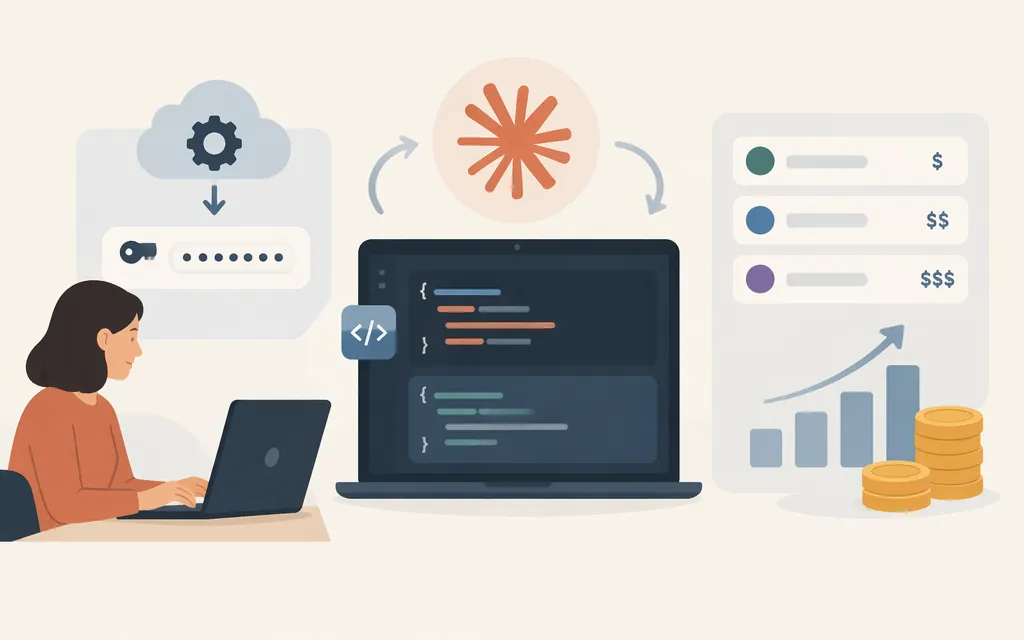
A Claude API key does not automatically make API calls free. See current Anthropic credit options, model prices, a production cost example, and what to check before considering a third-party proxy.
OpenAI’s ChatGPT Plus and Images help pages don’t give a fixed image-generation count or reset interval. See what they do document and how Plus compares with the separately billed image-generation API.
Officially listed Grok subscription prices, annual options, plan differences, and separate production API rates—with a note on U.S. checkout applicability.
Learn what Suno officially offers developers, how to connect its MCP beta to an AI assistant, and what remains unverified for production REST API integrations.
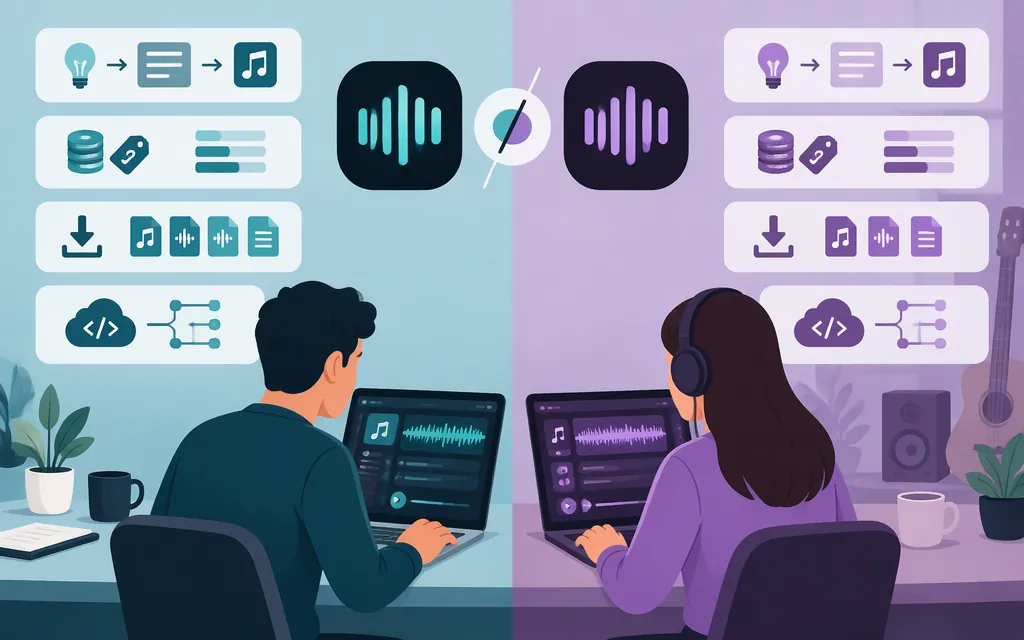
Compare Udio and Suno for prompt-led song creation, audio-guided workflows, exports, usage rights, consumer plans, and production API access.
Learn what Claude Code on the web does, how to start a GitHub-connected cloud session, which plans Anthropic lists, and when to choose local Claude Code or a production model API.
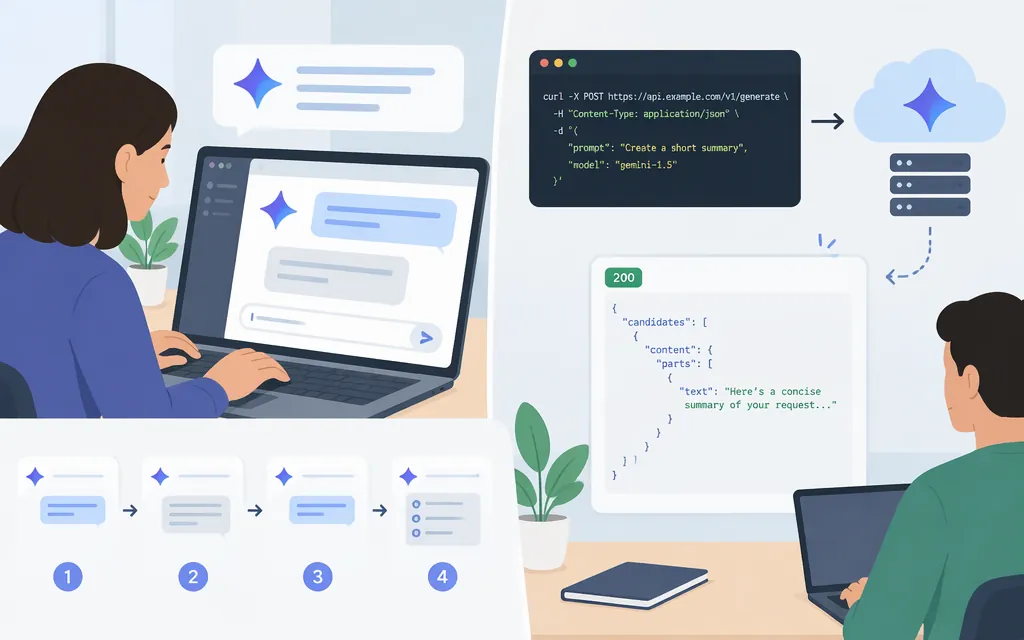
Learn how to use Gemini on the web for a practical task, then set up a Python API request with an API key and review the response.
Connect directly to Anthropic’s Claude API with the Sonnet 5.5 model ID, endpoint, authentication and version headers, a qualified first-request example, response parsing, limits, and listed token pricing.
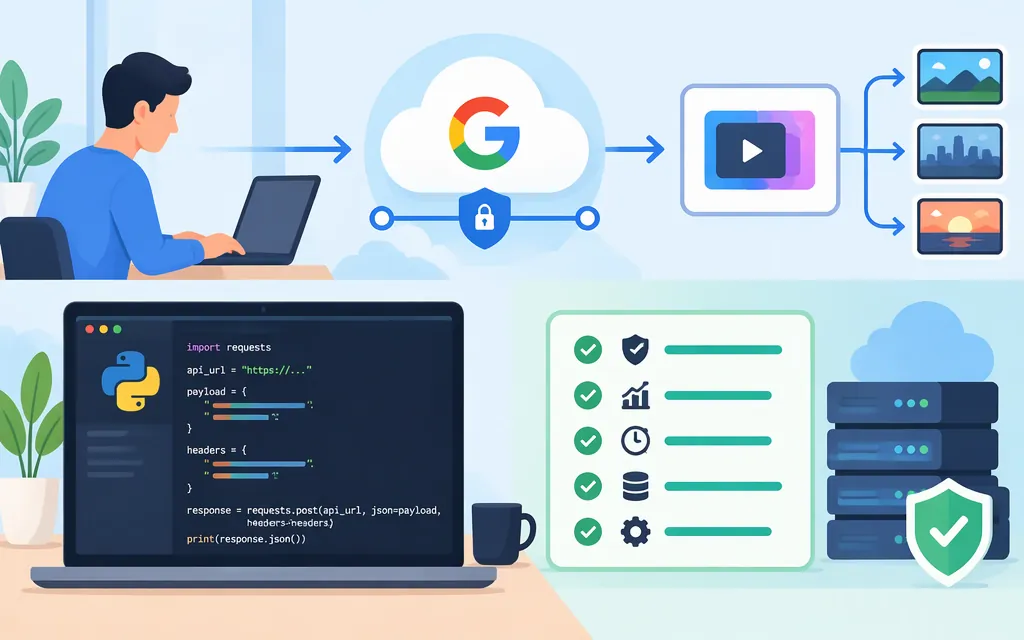
Learn how to call Google’s Veo 3.1 API through Gemini Enterprise Agent Platform, poll for a generated video, review supported controls, and check what pricing information remains unavailable.
A channel-specific comparison: Gemini 3 Pro Preview’s Gemini API endpoint shut down, while Gemini 3 Flash Preview has no shutdown date announced. See Flash’s documented API limits and supported capabilities, plus clearly labeled launch pricing.