Video generation
Grok Imagine Video: Models, Capabilities, API, and Pricing
Compare Grok Imagine video models, output limits, API options, and listed prices to assess whether they fit your workflow.
AI model and infrastructure insights
Compare Grok Imagine video models, output limits, API options, and listed prices to assess whether they fit your workflow.
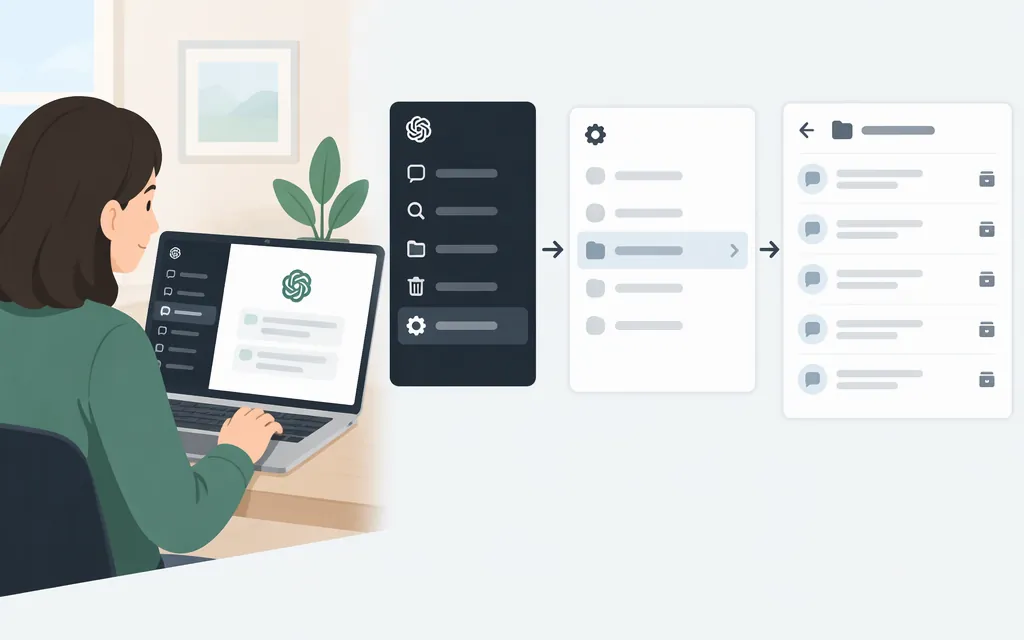
Find archived ChatGPT chats using Search or Settings, unarchive a conversation, and learn what the API documentation does—and doesn’t—establish.
Learn a simple Sora 2 prompt structure and see a complete example. Important: OpenAI discontinued the Sora experience in April 2026 and the Sora API in September 2026, so this is a prompt-writing guide—not a current API setup tutorial.
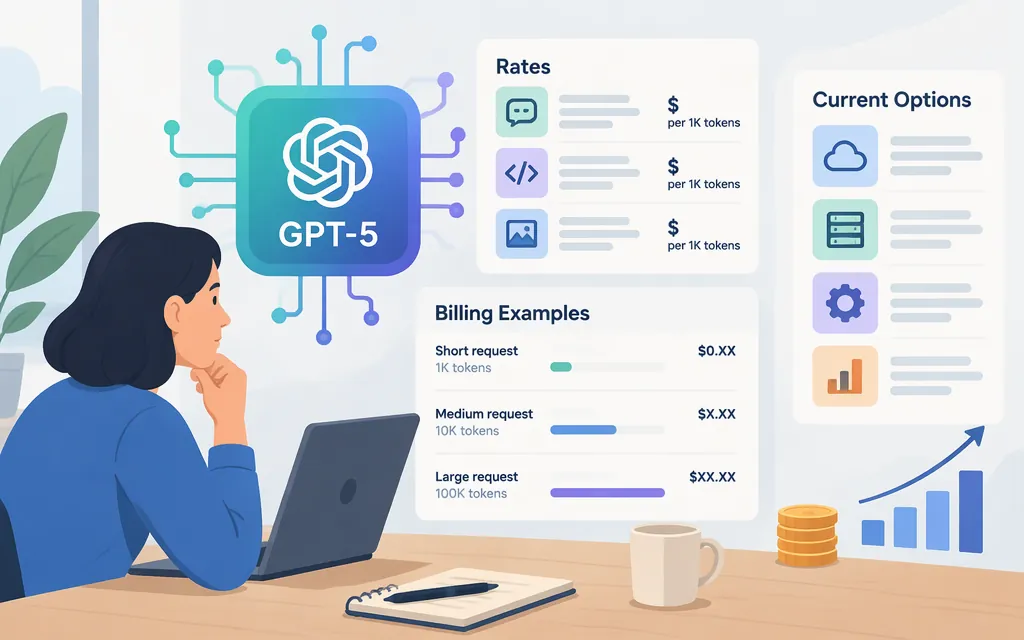
See OpenAI’s listed GPT-5 API rates, learn how to estimate token costs, and compare them with documented GPT-5.6 options for new workloads.
Learn when to use ChatGPT Read aloud or Voice, and how the Realtime API differs from speech generation for narration.
Connect OpenClaw to Moonshot’s Kimi API using the documented provider plugin. Follow a scoped setup, keep the key available to the Gateway, and verify the agent’s selected model. Kimi K2.5 is not the model used in this Moonshot API walkthrough.
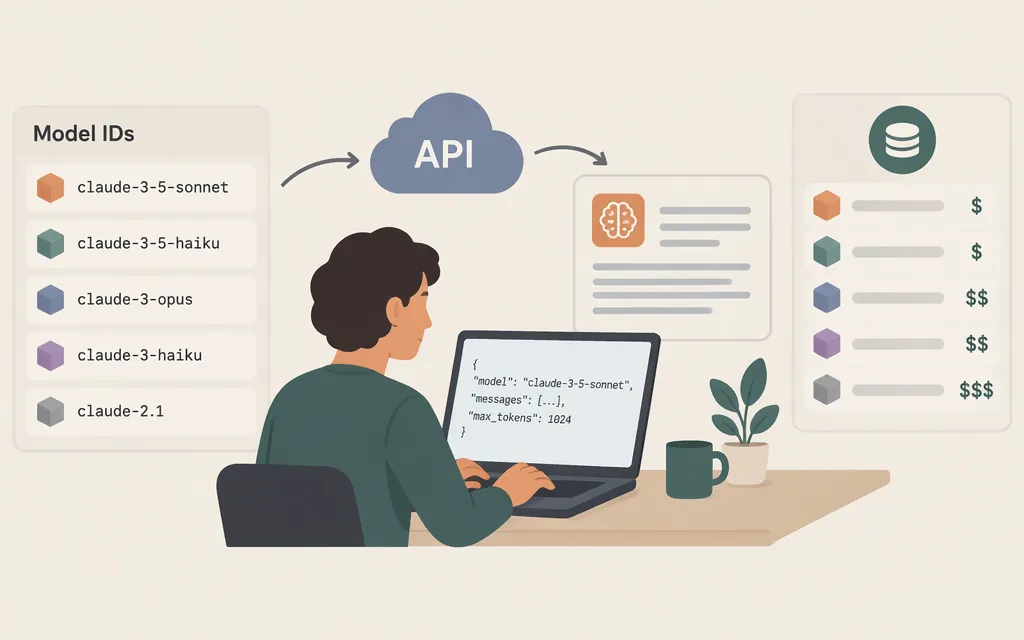
Find Claude model IDs listed for the direct Anthropic API, make a basic Messages API request, and compare model guidance and token prices.
Connect directly to Anthropic’s Claude API with Opus 5.5. Get the current model ID, create a Console API key, send a minimal Messages API request, inspect the response, and check direct-platform pricing.
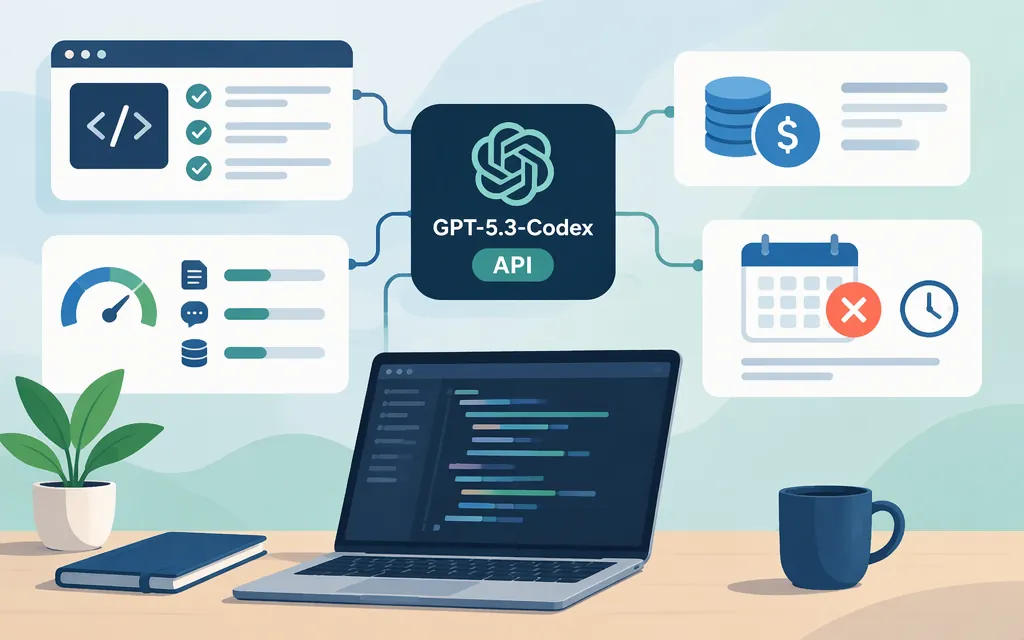
GPT-5.3-Codex supports the Responses API but is deprecated and scheduled for removal on April 1, 2027. See a minimal Python example, documented prices and limits, and production migration guidance.
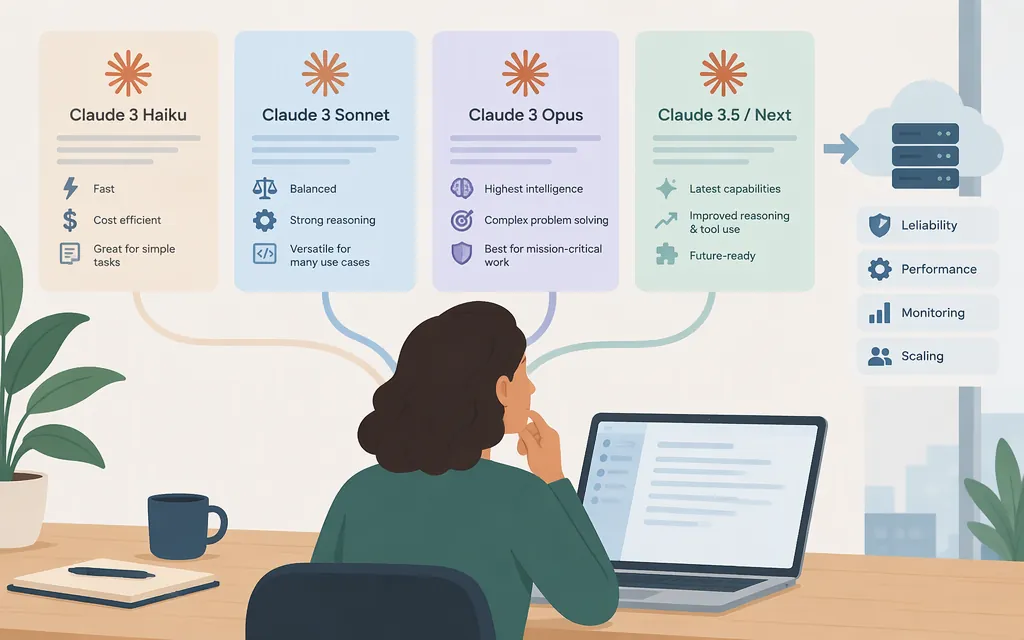
Compare Claude models by workload, API model ID, capabilities, limits, and published token rates. Haiku 5.5’s total cost comparison remains incomplete because its lower-tier output rate and threshold billing treatment are not established here.
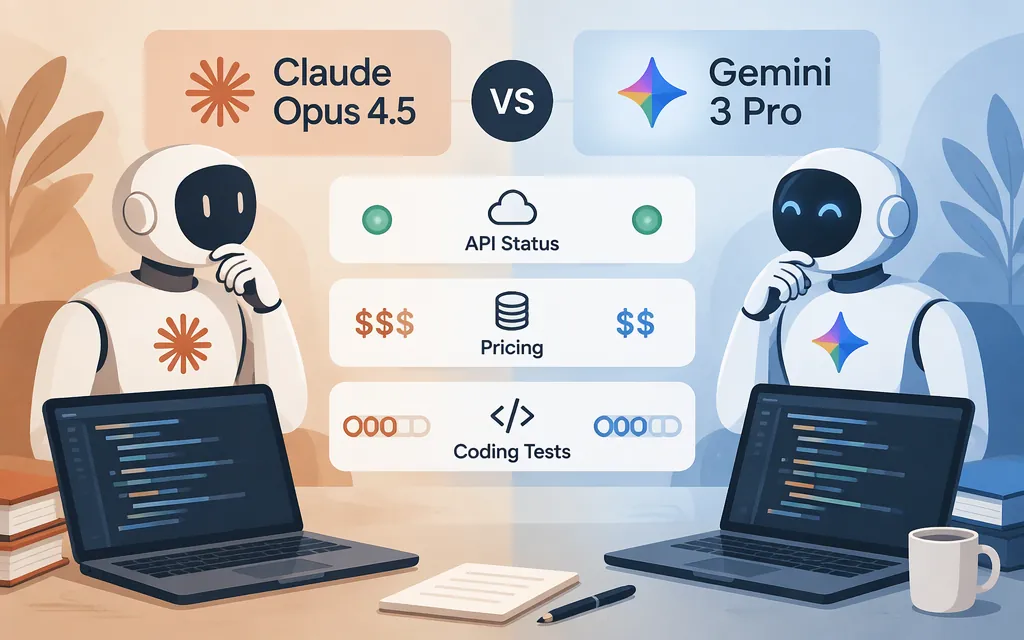
Compare the exact Claude Opus 4.5 and Gemini 3 Pro API endpoints, their documented availability, pricing, and task-specific coding results.
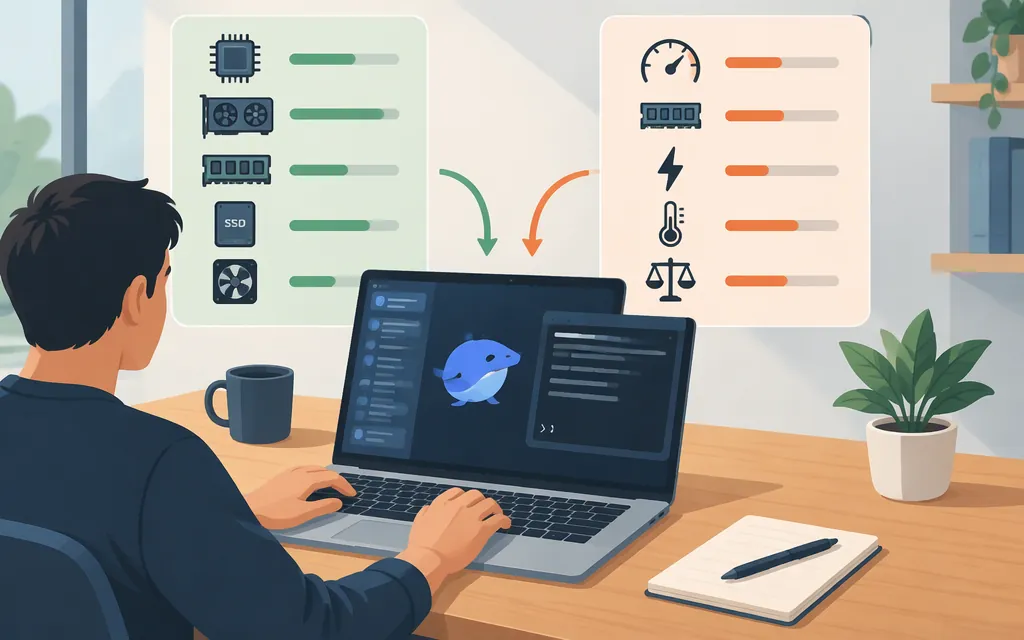
Choose a DeepSeek model that may fit your hardware, run it with Ollama, and weigh local inference against DeepSeek’s hosted API.
Compare direct Z.ai API access with third-party routes, choose among GLM-5.3, GLM-5 and GLM-4.6, and make a first chat-completion call.
See how Sora’s documented approach separated video representation from prompt-conditioned generation—and why Sora is no longer a production API option.
Suno Studio is included with Premier, listed at $30/month or $288/year. Compare the displayed prices and allowances, and see what Suno’s billing and API documentation does—and doesn’t—confirm.
Learn how Suno’s documented Simple Mode works, what its official MCP beta is described as supporting, and what remains unknown about production use.
Evaluate MiniMax TTS for your use case, make a direct HTTP request to generate audio, compare HD and Turbo, and estimate costs using clearly labeled pricing sources.
Learn what Seedance 1.5 Pro claims to do, when it merits testing, what current API documentation confirms, and how to assess provider-specific access and costs.
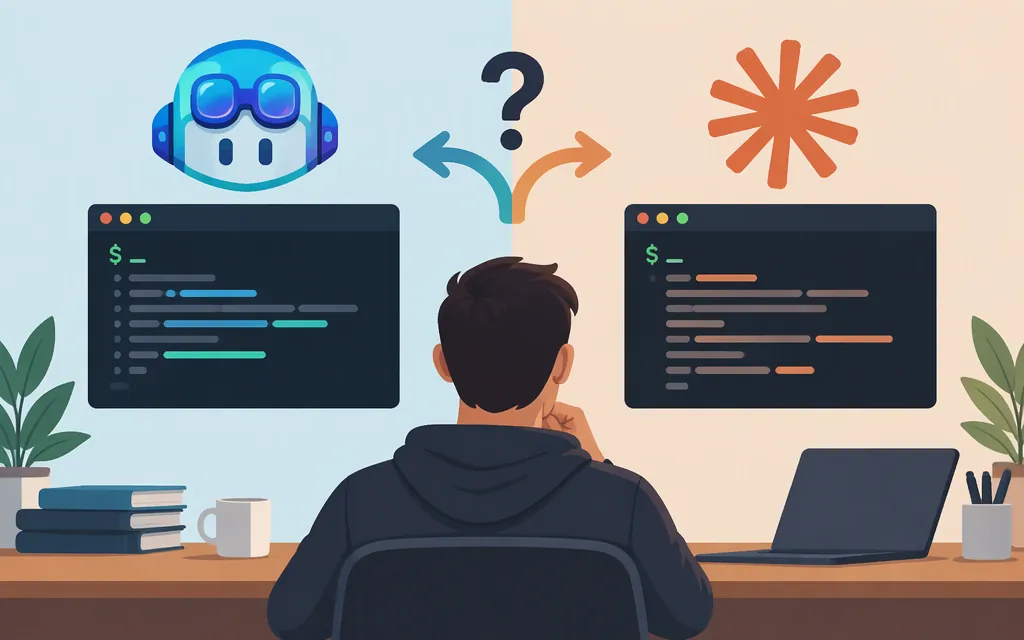
Compare Copilot CLI and Claude Code for terminal coding, approval controls, US individual-plan pricing, and production API use. Official documentation reviewed November 9, 2026.
Understand what DeepSeek-V3.1 and V3.1-Terminus offer, what benchmark claims do—and don’t—show, and what to verify before choosing an API or deployment.
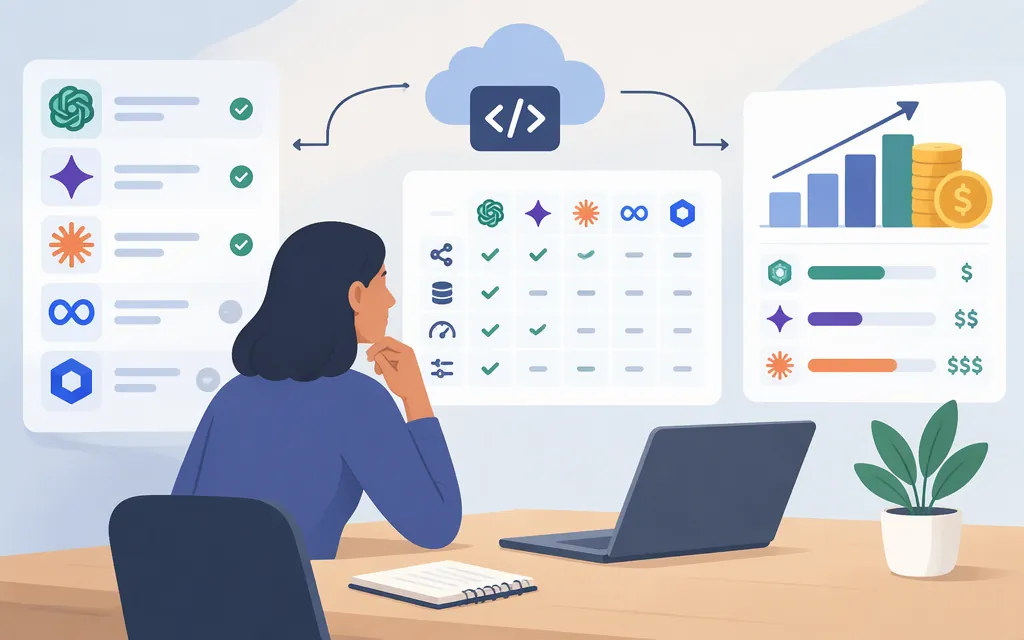
Learn how to match generative AI models to a task, compare direct APIs with platforms and gateways, and estimate costs using the right billing units and current terms.
Students can use ChatGPT’s free tier, but OpenAI’s 2026 U.S. offer for four free months of Plus had an October 31 claim deadline. Compare plan prices and learn how production API costs differ.
Choose a ChatGPT model based on your account access and task, or compare OpenAI API candidates by capability, price, and production requirements.
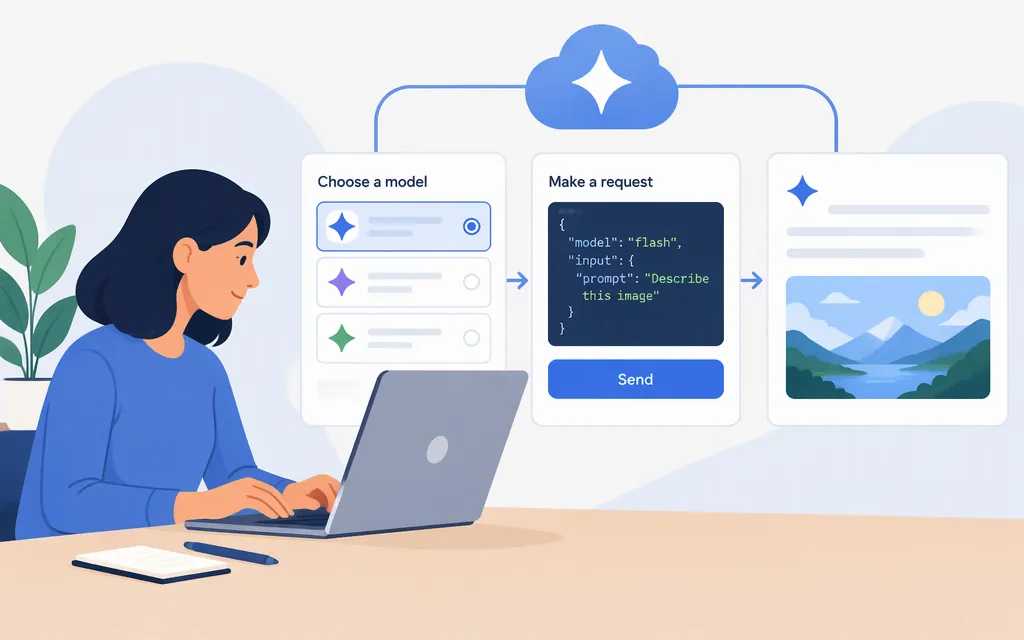
Set up the direct Gemini API with a current Flash model, a Google Gen AI SDK Python example, and an optional REST request. See key restrictions and model-specific capabilities.