Audio and speech
Studio Ghibli ChatGPT Prompt: Copyable Ideas and How to Use Them
Copy two Studio Ghibli-inspired prompts for ChatGPT, follow the create-or-edit workflow, and see how a production image API handles generation and billing.
AI model and infrastructure insights
Copy two Studio Ghibli-inspired prompts for ChatGPT, follow the create-or-edit workflow, and see how a production image API handles generation and billing.
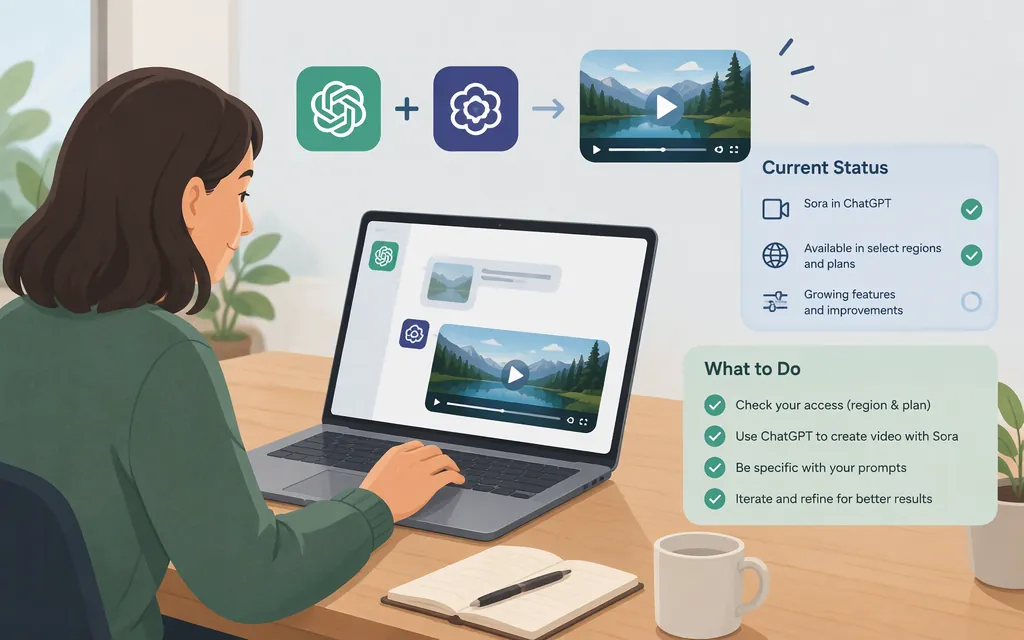
Sora is no longer available in ChatGPT, on the Sora web or app experiences, or through the Sora API. Here’s how to export existing Sora creations and what is known about export access.
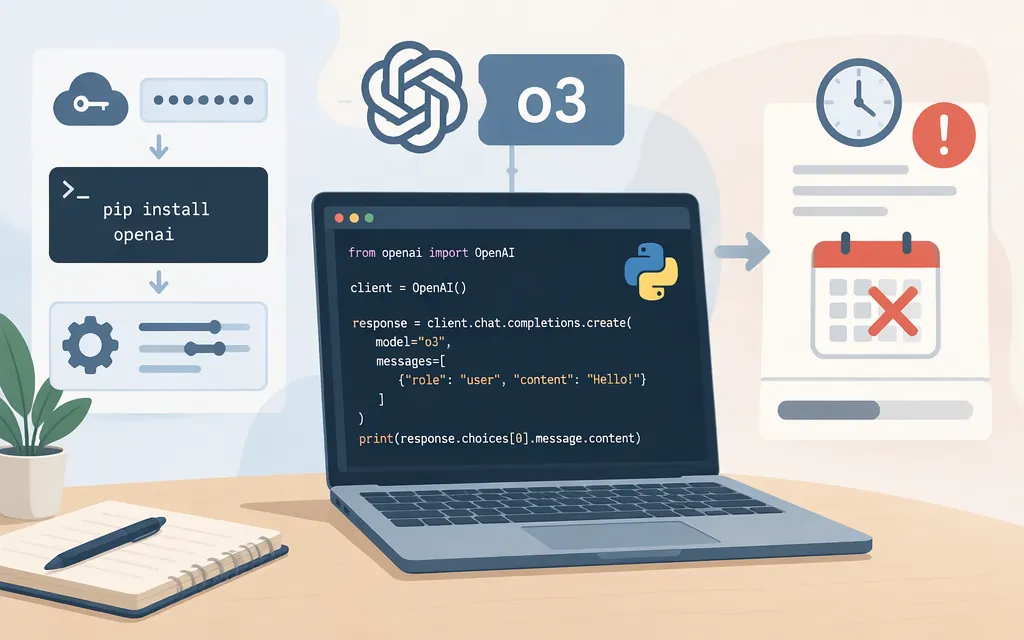
See how to call o3 with OpenAI’s Responses API, check access eligibility, handle API keys safely, and review supported capabilities and data-retention qualifications.
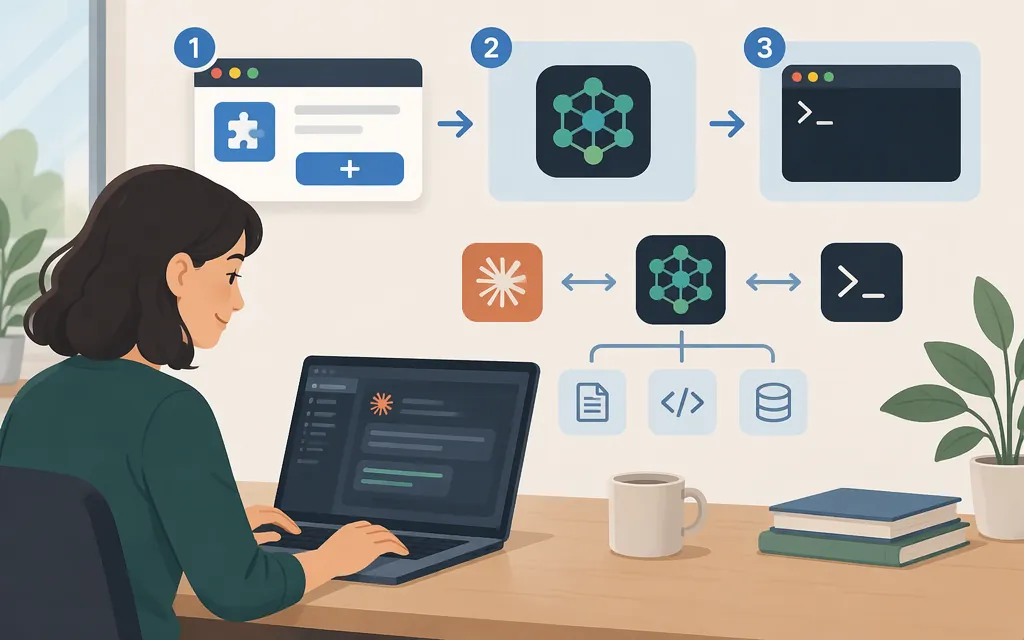
Install Context7 in Claude Code with the plugin or Context7 CLI. Follow the sign-in steps, choose MCP mode, verify the connection, and keep Context7 separate from your production model API.
GPT-5 has no parameter count confirmed in the OpenAI materials reviewed here. Learn how to treat online estimates and what to evaluate instead for a production API.
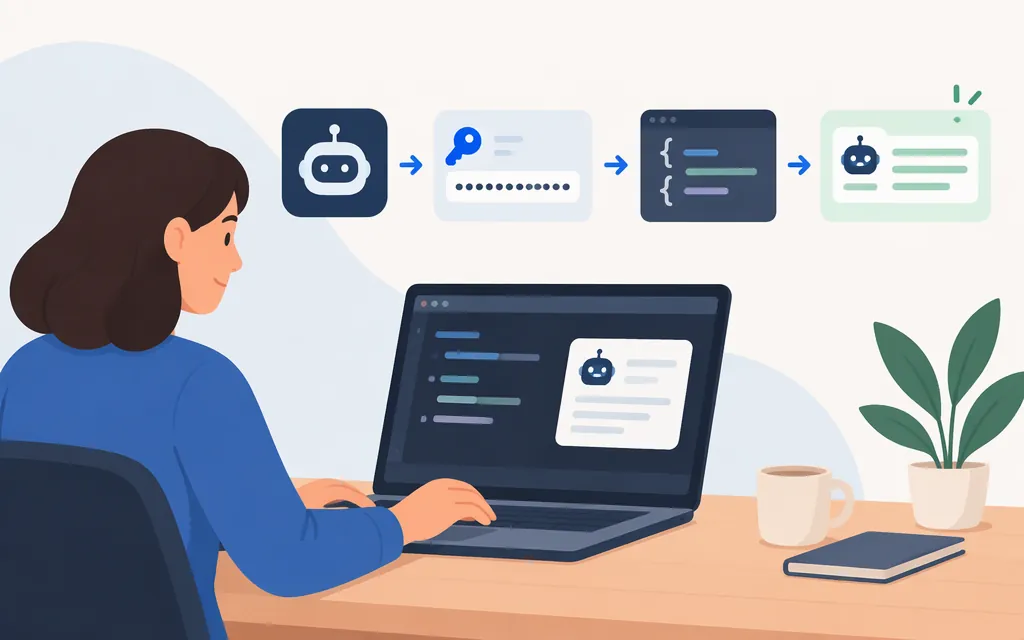
Find the official Kimi API key page, create a key, and use it in a first Chat Completions request with cURL.
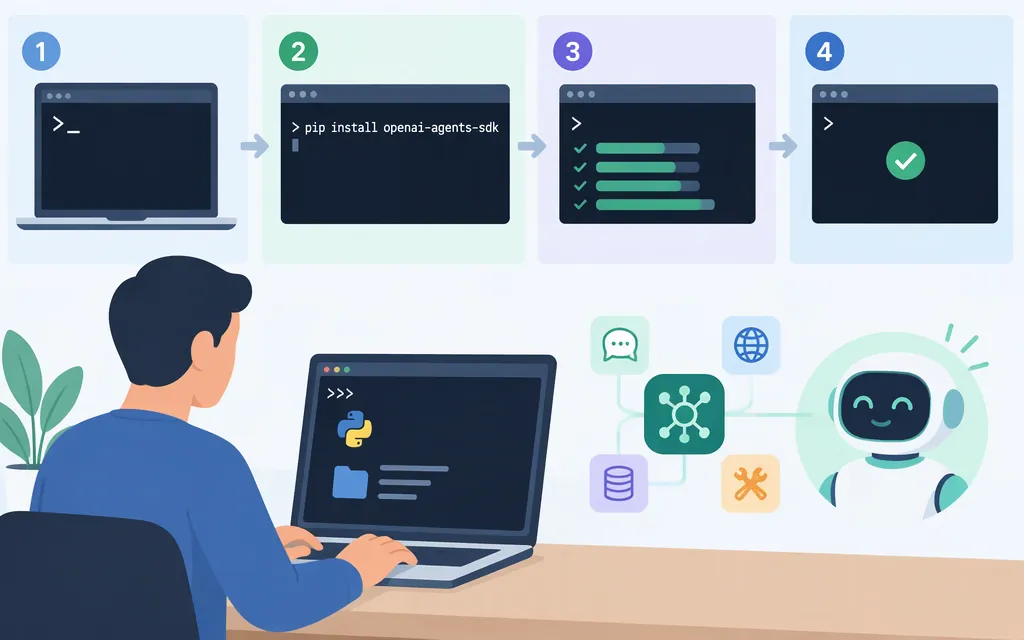
Install the OpenAI Agents SDK in a Python virtual environment, confirm it imports, set your API key, and run a minimal agent.
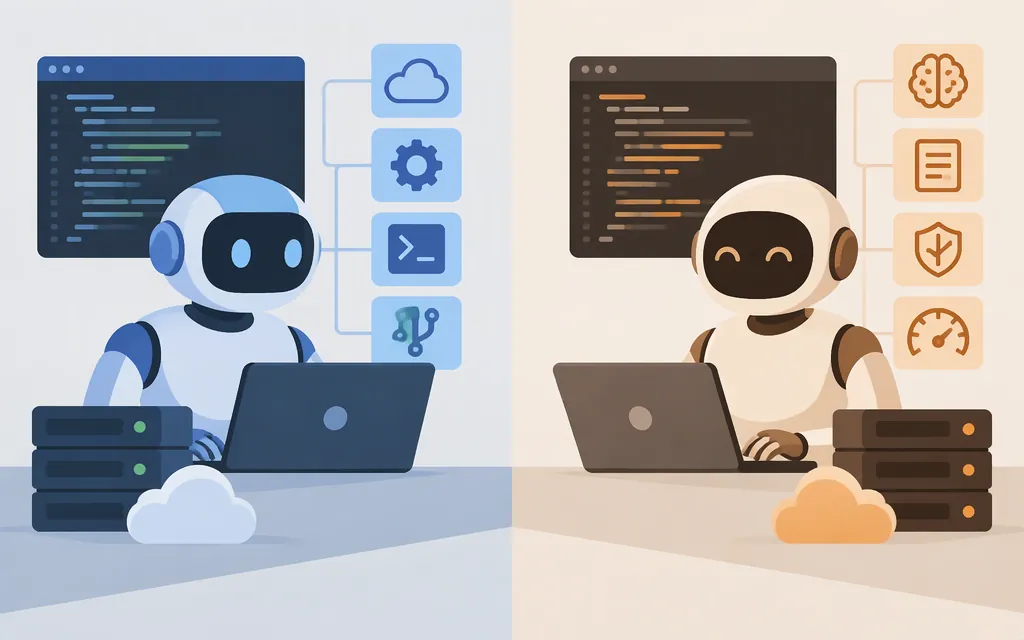
Compare Codex and Claude Code workflows, then see separate production API paths, Node.js examples, costs, and data-handling checks.
Compare GPT-6.1 Sol and Claude Opus 5.5 for production API use: model identity, tool calling, structured outputs, pricing, and a reproducible cost example.
OpenAI’s model page lists $10 input and $30 output per 1 million tokens alongside the label “Batch API price,” but the retrieved material does not establish which billing mode that label describes. The page also marks GPT-4 Turbo as shut down.
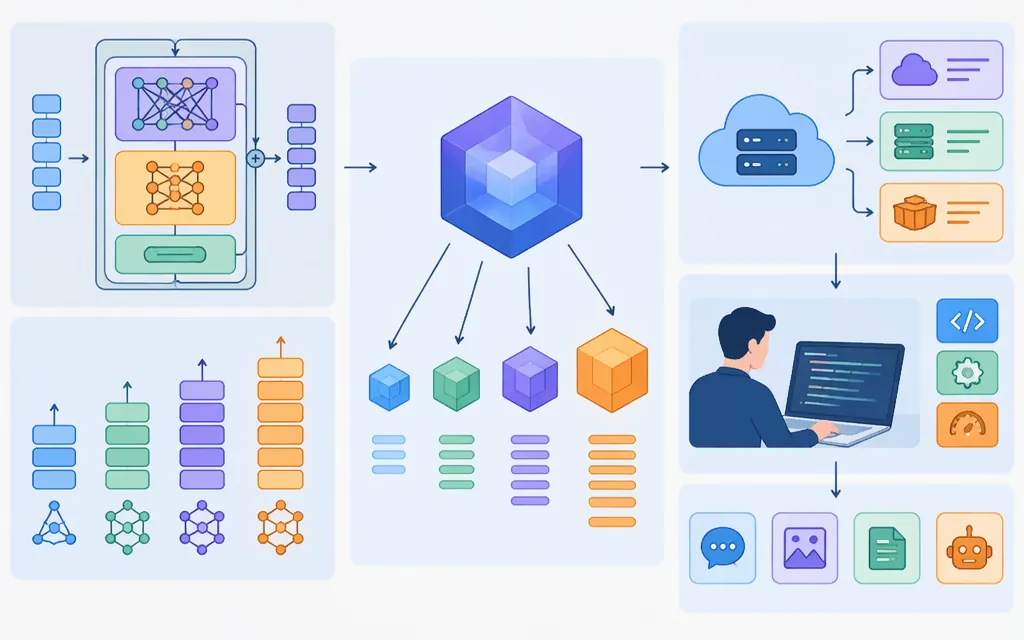
Learn why Qwen has no single architecture, how Qwen3 and Qwen3-VL differ, and what to check when choosing a model for production API use.
Compare the Grok 3 DeepSearch and Think labels without confusing third-party descriptions with xAI specifications. See what xAI documents, what remains uncertain, and how to enable web search through the current API.
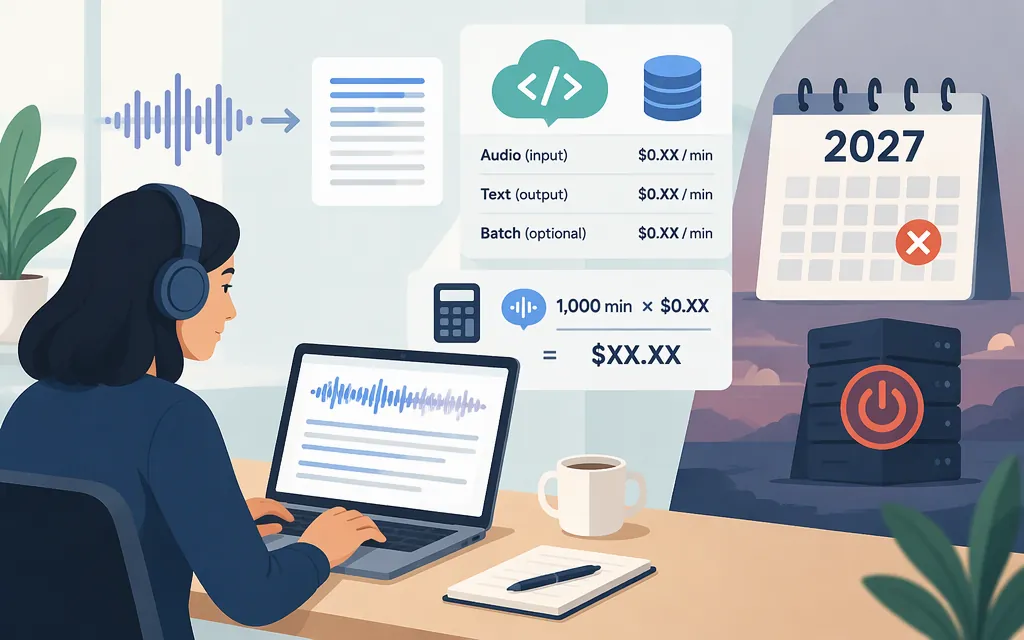
OpenAI lists GPT-4o Transcribe at $2.50 input and $10.00 output per 1 million audio tokens. See what the published rates establish, what they don’t establish about per-minute budgeting, and the model’s shutdown date.
“GPT-5 agent mode” can mean ChatGPT’s agent feature or an API-built agent. Learn the difference, why GPT-5 is deprecated for new API projects, and a documented Responses API path for tool calling.
OpenAI’s API reference lists GPT-4.1 as deprecated. See its documented limits, modalities, endpoints, token rates and the checks to make before evaluating it for production.
Compare the Claude Opus 5.5 and GPT-5 API model IDs, current documentation status, token prices, context and output limits, and tool-calling differences. Includes a like-for-like cost example and production evaluation guidance.
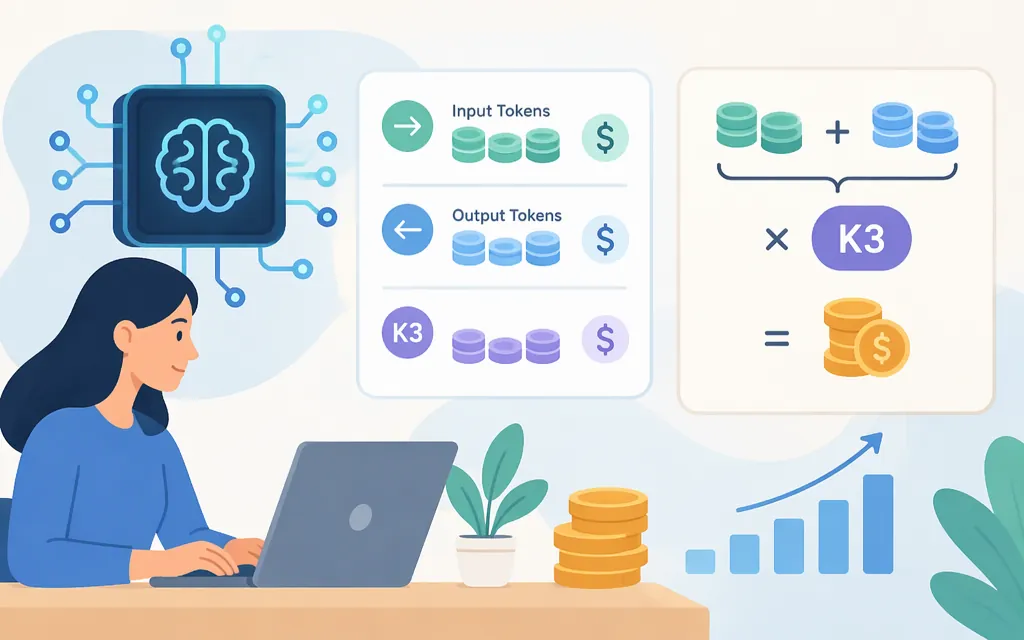
See who qualifies for Kimi API trial credit, how voucher use and top-ups work, and how to estimate spend using listed Kimi K3 token rates.
As of November 12, 2026, Alibaba documents Qwen4-Max-Preview as a Token Plan preview—not pay-as-you-go. See its stated capabilities, access terms, and what to verify before production.
Claude Code’s weekly limit resets at an account-assigned time. Find your next reset, identify the limit you reached, and check your options for continuing.
OpenAI publicly released o3 on April 16, 2025, with API access through the Chat Completions and Responses APIs. Learn how its release differs from o3-mini and check o3’s API lifecycle.
See the listed Kimi K3 API rates per 1 million tokens, calculate a conditional model-cost estimate, and distinguish Kimi Platform API billing from Kimi Code membership.
Review Gemini 2.5 Flash Image’s documented capabilities, a minimal Gemini API example, current pricing, route-specific limits, and migration guidance.
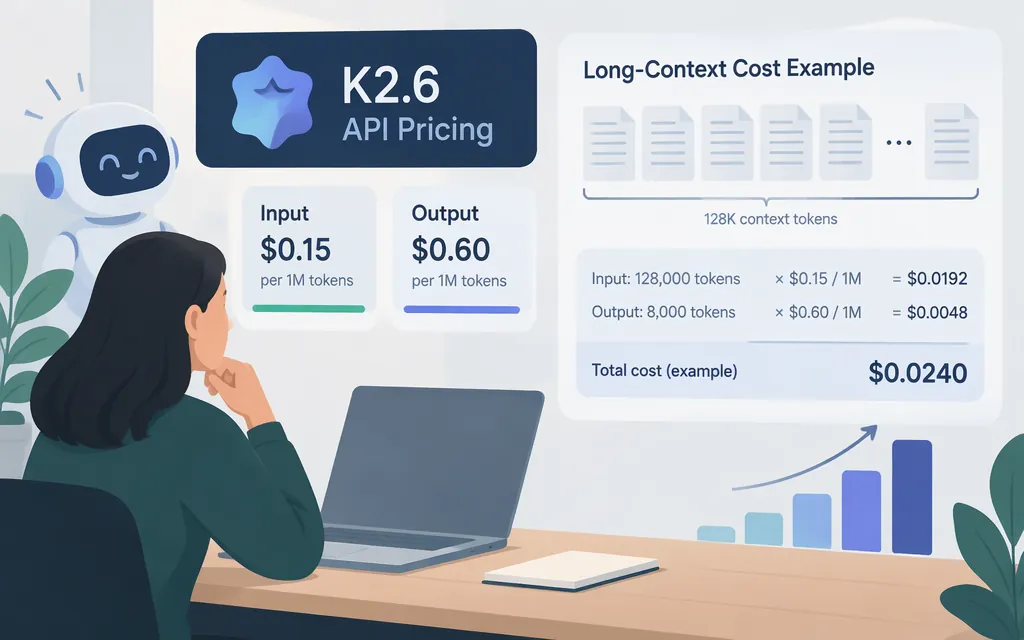
Compare Kimi K2.6 input, cached-input, and output prices, see a qualified K2.7 Code price card, and estimate an illustrative long-context workload.
Looking for a Suno V5 prompt guide? See what the available official documentation does—and does not—confirm, plus a practical current-Suno prompt template and revision workflow.