Model APIs
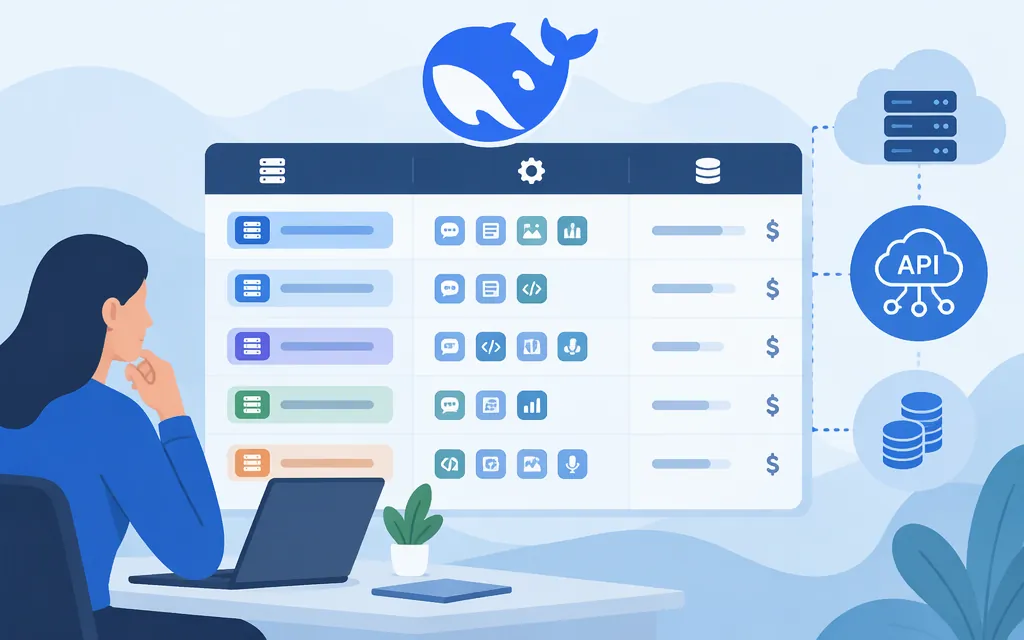
DeepSeek Model List: API IDs, Capabilities, and Prices
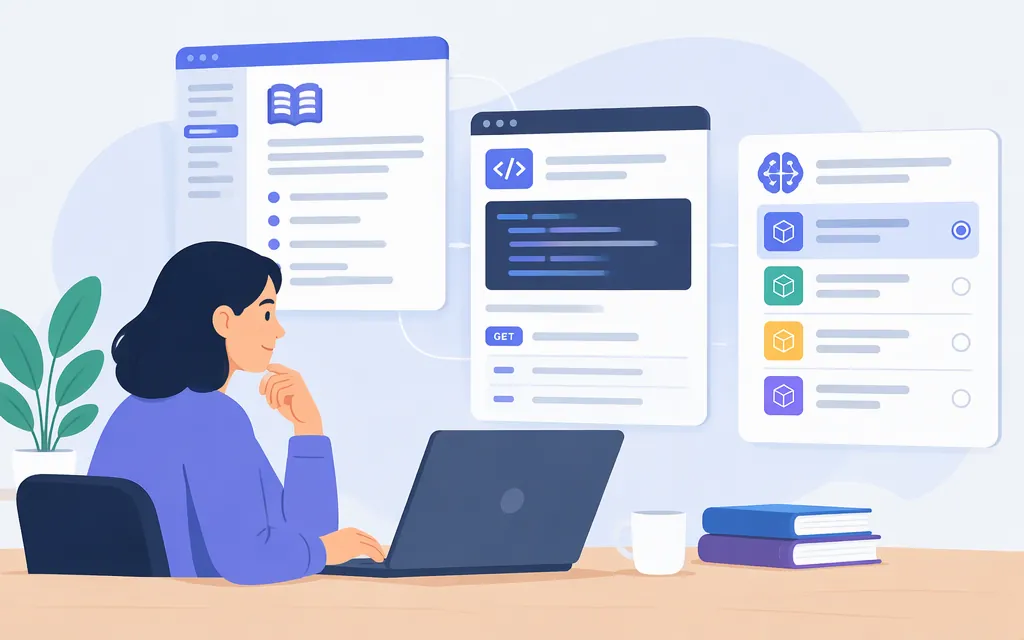
Compare the two models listed for DeepSeek’s own API, their documented capabilities and token prices, and how to verify availability with GET /models.
AI model and infrastructure insights
Compare the two models listed for DeepSeek’s own API, their documented capabilities and token prices, and how to verify availability with GET /models.
Learn what DeepSeek-R1-0528 refers to, how its published benchmark results compare with the earlier R1, and what to verify before using it through a production API.
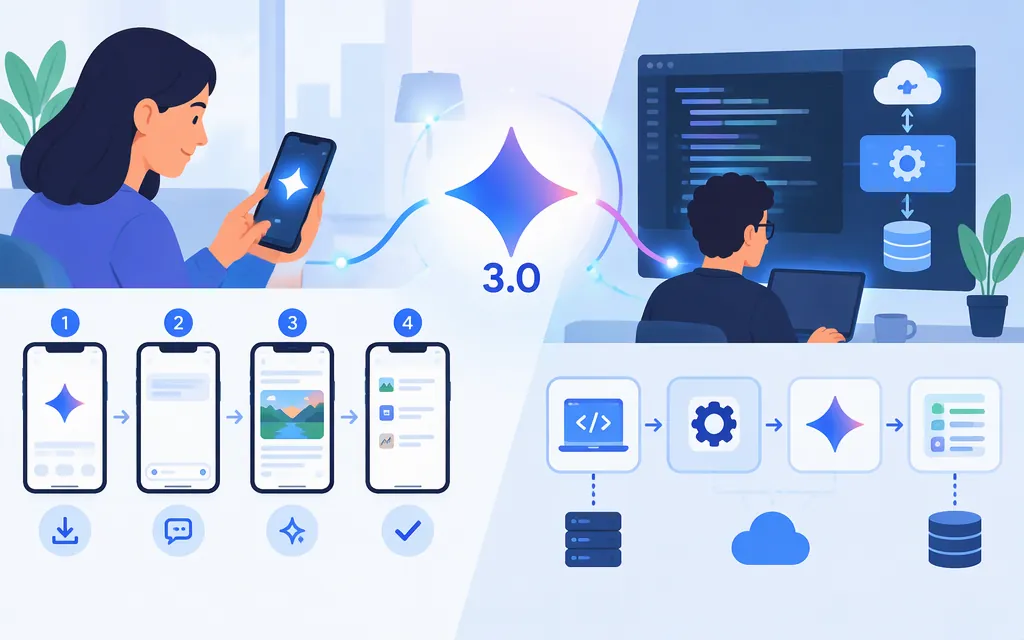
Learn how to use Gemini in the app and call a currently documented Gemini model through Google’s API. Find out why the original Gemini 3 Pro API preview is no longer available and see a runnable Python example.
See how to list and select models in GitHub Copilot CLI, choose one for your task, troubleshoot models missing from the CLI, and distinguish Copilot model access from production API access.
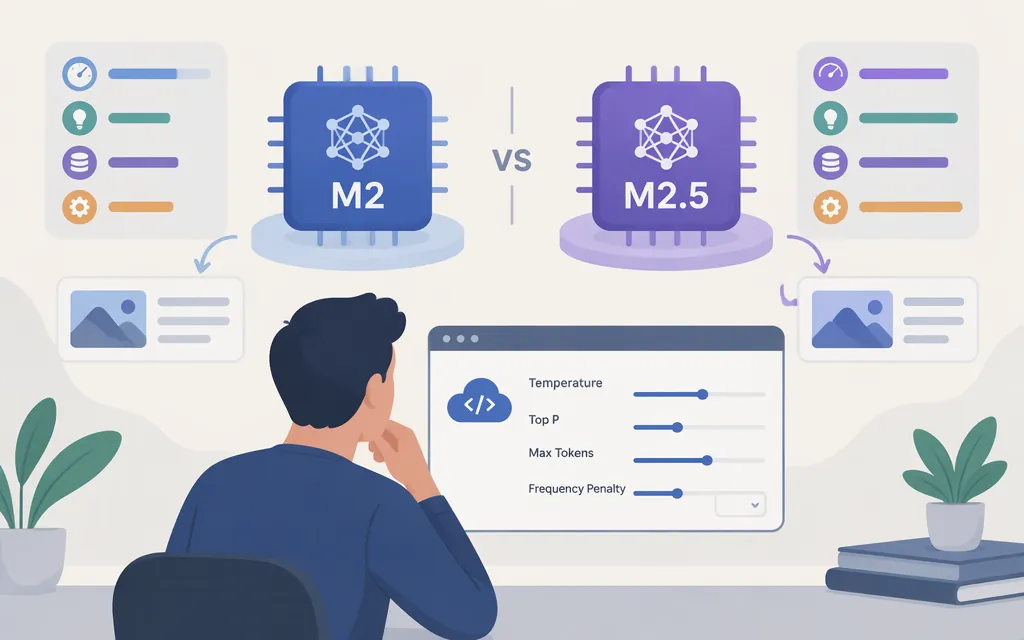
“MiniMax-M2 5 parameters” could mean M2’s model size, five API settings, or the separate M2.5 model. Here’s what the M2 repository says—and what remains unverified for production API use.
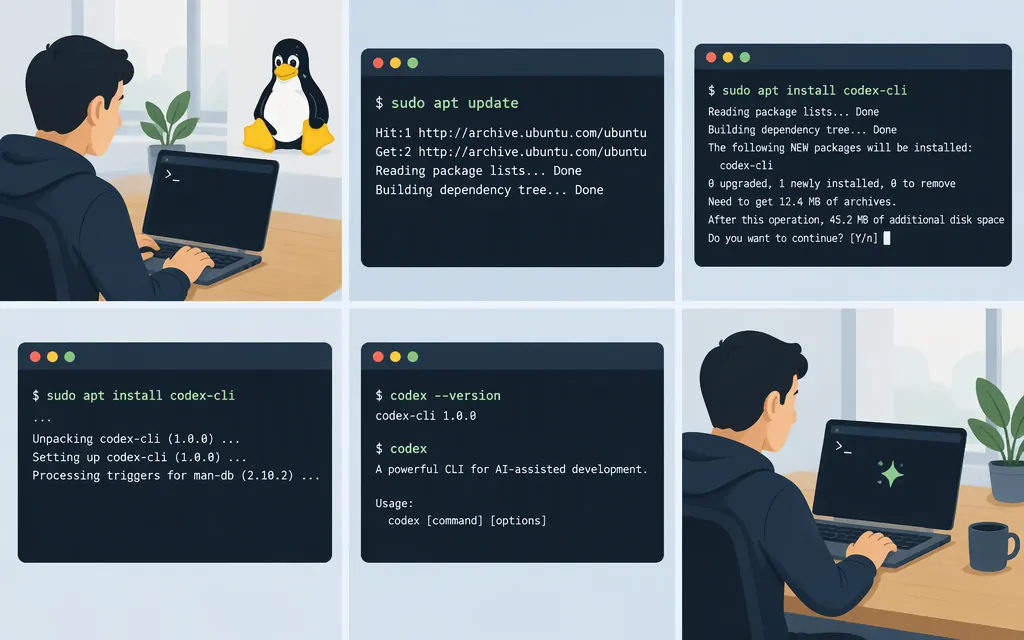
Install OpenAI Codex CLI on Linux with the official standalone installer, then launch it in a project, sign in, and begin a task. Learn when npm or Linux binaries may be alternatives—and why an app’s production API integration is a separate concern.
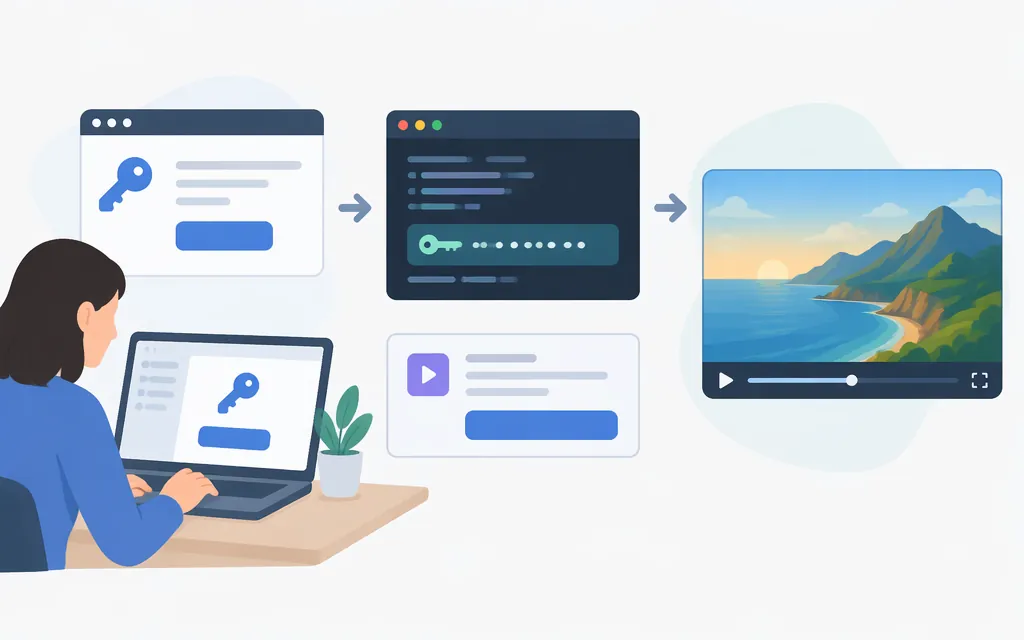
Learn how to create a Gemini API key, secure it, and check current video model availability and pricing.
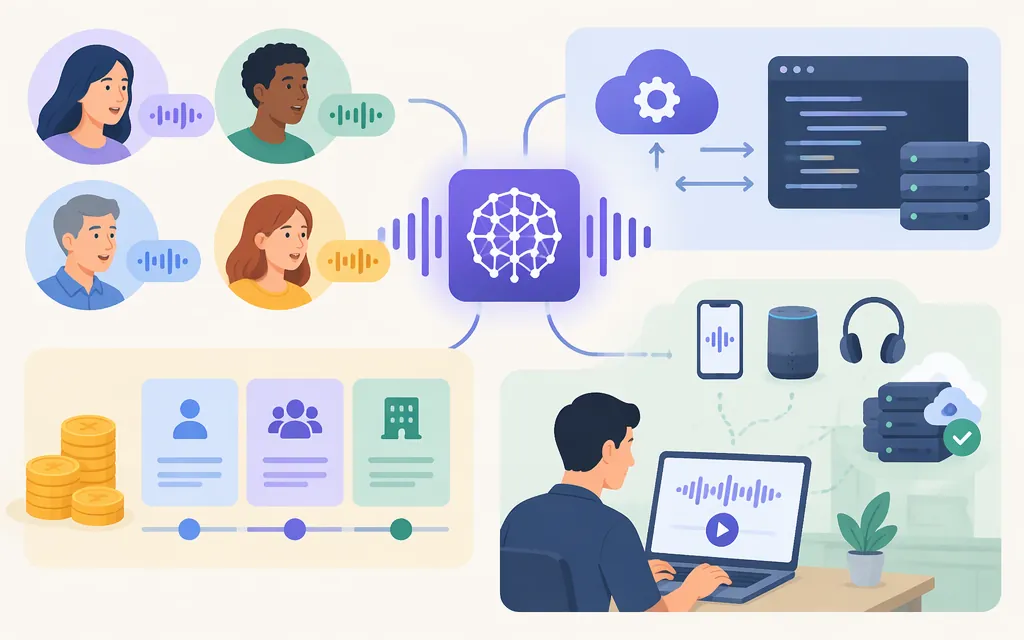
Compare documented Qwen TTS models, supported languages and voices, API paths, and published character-based pricing before choosing a production fit.
Kimi K2 is developed by Moonshot AI. Learn how to distinguish the model maker from an API provider and what to verify before considering an API for production.
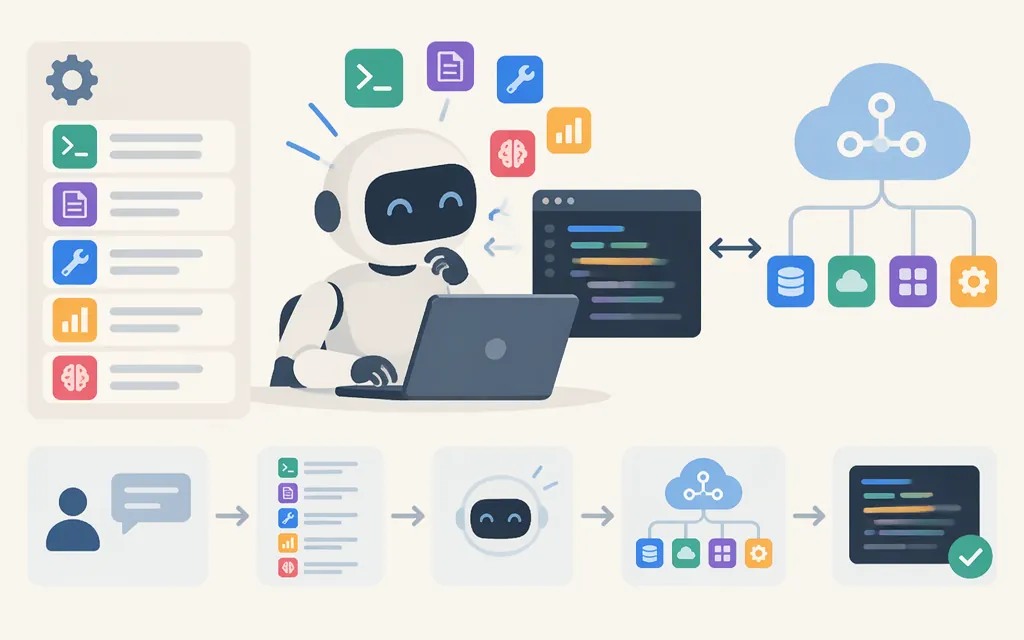
Claude Code skills are reusable workflows built around SKILL.md files. Learn where to put one, how to invoke it, when to use it, and what changes when using skills through a production API.
See Anthropic’s listed Claude API rates per million tokens, how to estimate a request’s cost, and a minimal Messages API call you can adapt for production.
Find Qwen documentation, distinguish hosted Model Studio APIs from self-hosting, and shortlist models by task before checking current model and regional support.
DeepSeek-R1 has 671B total parameters and 37B activated per token in the published V3 architecture specification. Learn how that differs from API generation settings—and what to use for production requests now.
Looking for a Veo 3 API key? See which Gemini API preview models were retired, how Agent Platform credentials differ, and what to check before generating a Veo 3.1 video.
Understand the difference between Qwen Code, Qwen-Coder models, and Qwen-Agent, then assess a production API setup, compatibility, and region-specific cost.
Find out what is free—and what is not—with DeepSeek V3.2. See app access, official API availability, OpenRouter token rates, and sample production budgets.
The DeepSeek-V3.2 Ollama listing is reported as retired, with no models pushed. Learn what that means for local use, how V3.2 differs from Speciale, and what DeepSeek’s current API docs show.
Anthropic announced Claude Fable 5.2 and Mythos 5.2 on November 9, 2026. See what that date means, which model is available through the Claude API, and key production considerations.
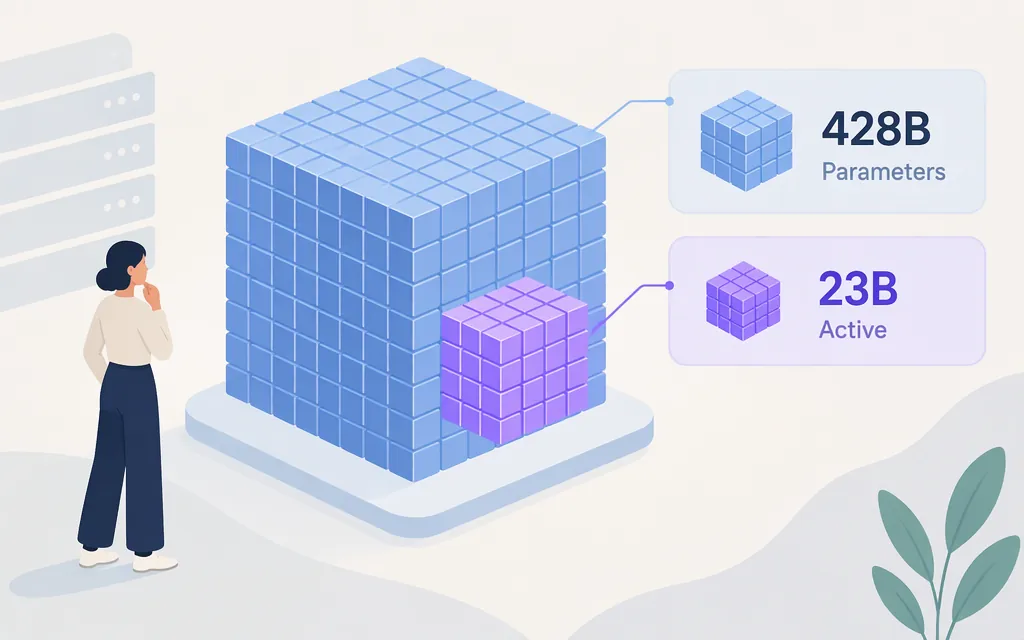
MiniMax M3 has about 428B total parameters and 23B activated per token. Learn how those figures differ from its 1M-token API context and what to check before choosing a production route.
GLM-4.6 Exacto uses OpenRouter’s quality-first provider routing; it is not a separate model. Learn how the selector works, see a clearly labeled API example, and assess workload fit and routing costs.
Learn what Claude Code documents about auto-compaction, how to inspect context with /context, what to do when the status is low, and how Claude Code behavior differs from production API compaction.
OpenAI’s current Free FAQ names GPT-5.6 Luna; it does not confirm whether GPT-5.5 is available in another Free mode. See third-party offer terms and GPT-5.5 API pricing.
Find Suno’s API account portal, distinguish it from the third-party gcui-art wrapper, and see what its setup guide does—and does not—establish about music-generation integration and production use.
A version-specific comparison of Gemini 3 Pro Preview and GPT-5 APIs, including documented limits, lifecycle status, and a historical token-cost example with its billing assumption made explicit.