Model APIs
Gemini 2.5 Flash-Lite API: Access, REST Quickstart, and Limits
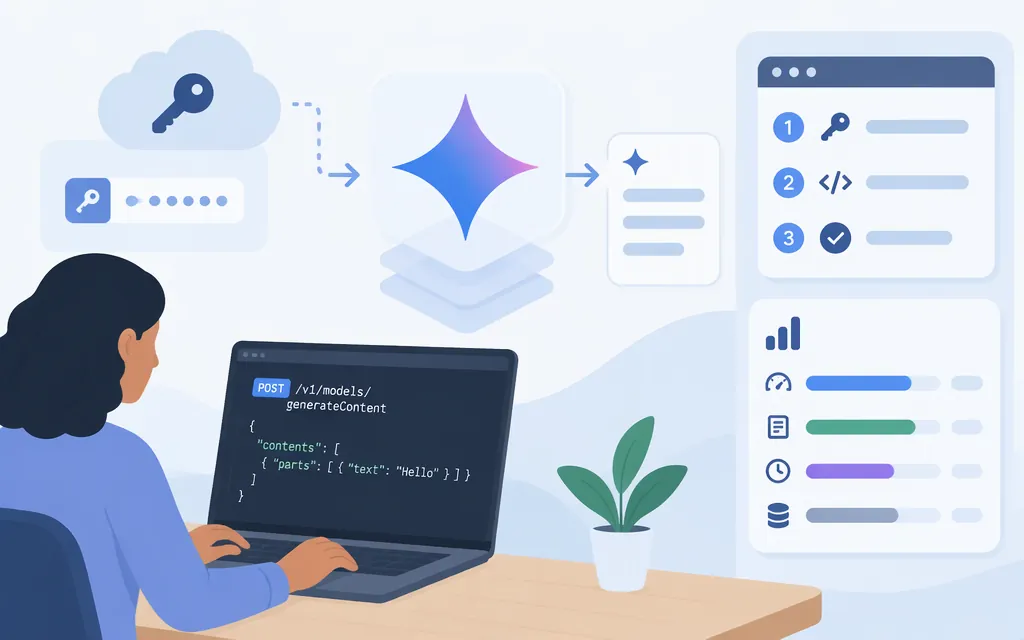
Find out whether you can access Gemini 2.5 Flash-Lite, then make a direct Google Gemini API request with the documented model ID, endpoint, and API-key header.
AI model and infrastructure insights
Find out whether you can access Gemini 2.5 Flash-Lite, then make a direct Google Gemini API request with the documented model ID, endpoint, and API-key header.
Understand what DeepSeek-V3.2 refers to, how it differs from V3.2-Exp and Speciale, and what to verify before choosing a model for production API use.
Claude Code has no single context-window size for every setup. See a verified 1M-token Claude Code option, its access conditions, how to inspect session usage, and how an API model’s limits differ.
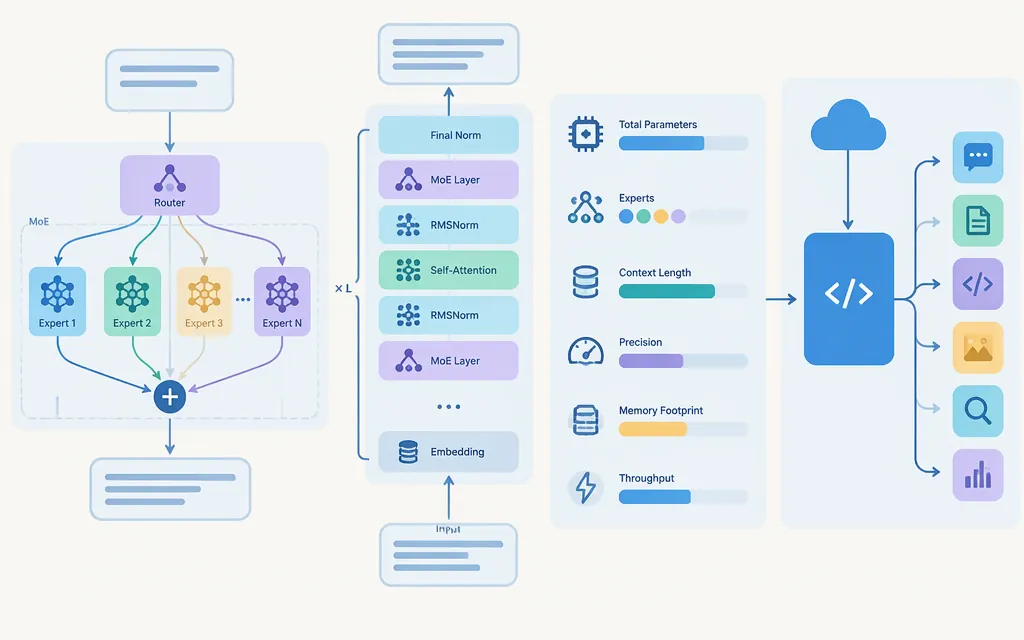
A source-based guide to DeepSeek-V3’s MoE design and MLA attention, its documented specifications, and what architecture can—and cannot—tell you about production API fit.
Z.AI lists GLM-4.5-Flash as free on its API rate card, but other GLM models are paid. See the published rates, a sample cost calculation, and what to check before production use.
Compare GLM 5.2 with Claude Opus 5.5 for production API use. See listed token prices, documented API access and tool support, and a practical way to test both before choosing.
Compare AI API access options, make a first API call, estimate usage costs, and check model access, limits, and error recovery before production.
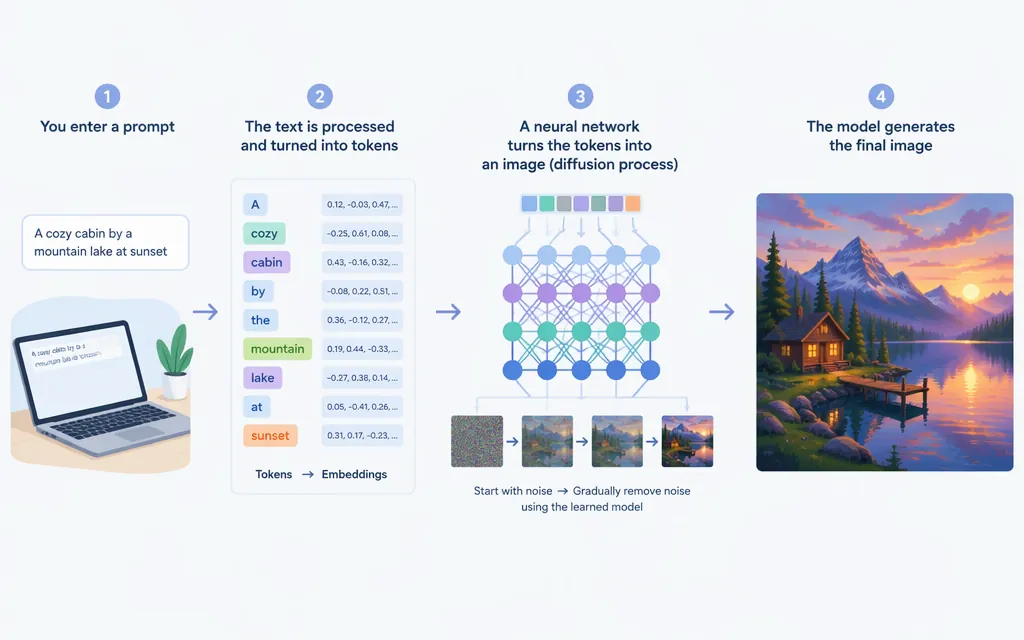
Learn how prompts guide image generation, how diffusion differs from GANs, and what to verify when evaluating an image-generation API for a production use case.
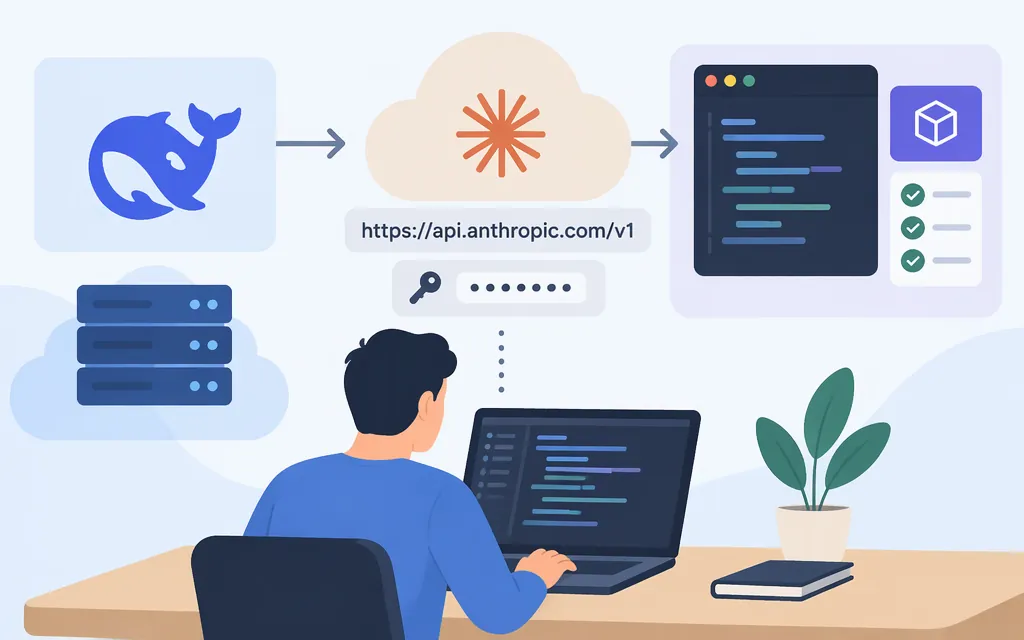
Call DeepSeek through its Anthropic-compatible API: configure the Anthropic Python SDK, make a first Messages API request, and check documented compatibility and concurrency limits.
Learn to describe a song’s sound, arrangement, and lyrics in Suno. Includes practical prompt examples and a clear distinction between Suno’s API and MCP options.
Find out whether DeepSeek currently lists a Coder API model, how its coding-capable DeepSeek API works, and what to verify before production use.
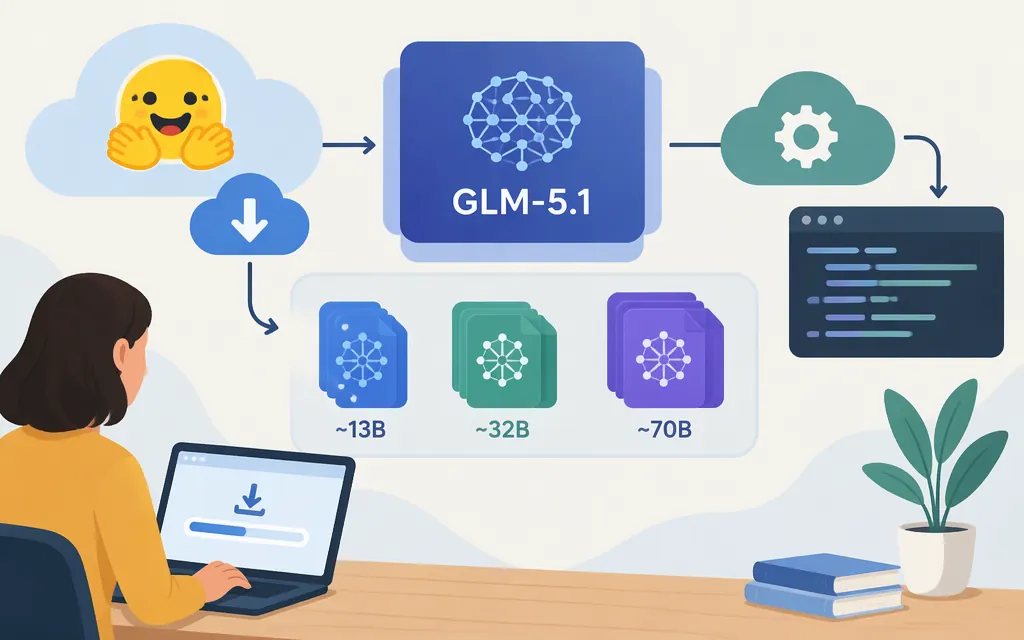
Find Z.ai’s listed GLM-5.1 BF16 and FP8 weight repositories, see their reported sizes, and compare local downloads with Z.ai’s hosted API option.
Learn how to try Kimi K2.6 in Kimi chat or use the API if your account is eligible, create an API key, make a first request, and check documented operating limits.
Claude Pro is $20 per month, or $17 per month with annual billing. If you mean a Team Premium seat, it is $125 per seat monthly or $100 per seat with annual billing. Production API use is billed separately by tokens.
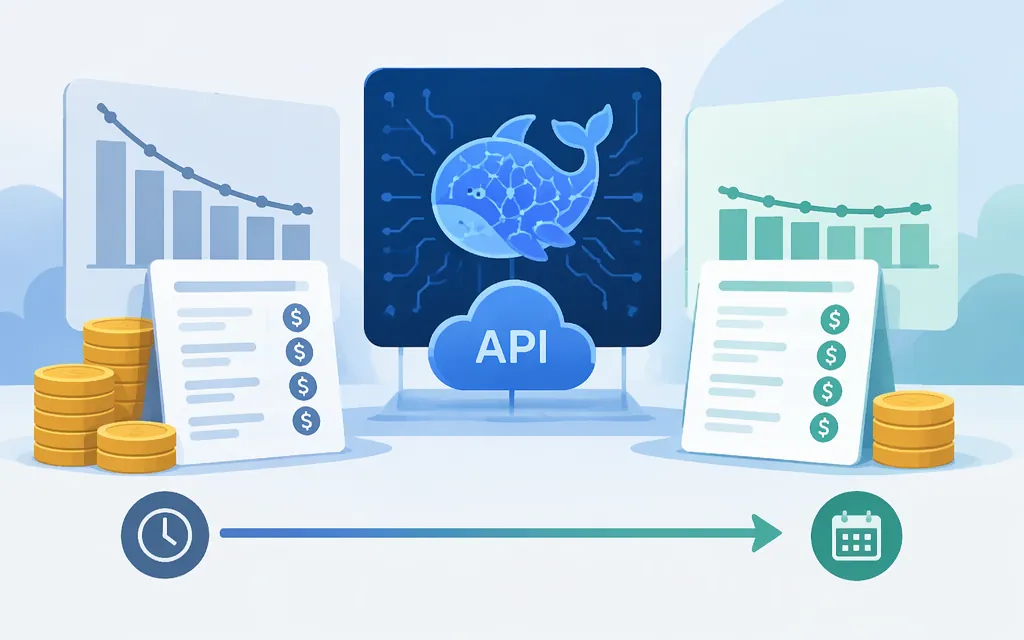
DeepSeek V3’s announced API rates were $0.27 per 1M cache-miss input tokens, $0.07 per 1M cache-hit input tokens, and $1.10 per 1M output tokens. See what is known about V3.2 and how to budget separately for a currently listed API model.
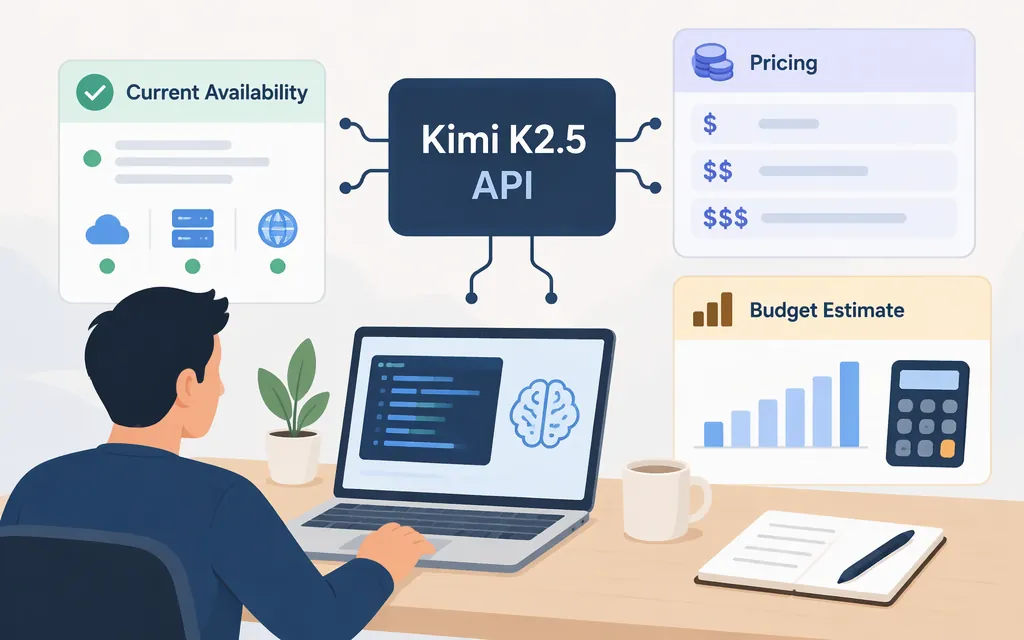
Kimi K2.5 is listed as offline in Kimi’s API model list, so its current production API price cannot be confirmed from the official rate card. See the billing rules and a clearly labeled estimate for an available alternative.
Compare Suno Free, Pro, and Premier prices, credits, download limits, and commercial-use terms. See what is documented about API access—and what remains unknown for production budgeting.
Compare Gemini 3.1 Pro Preview and OpenAI GPT-6.1 Sol for production API use, including documented inputs, tools, limits, lifecycle, pricing conditions, and a practical evaluation path.
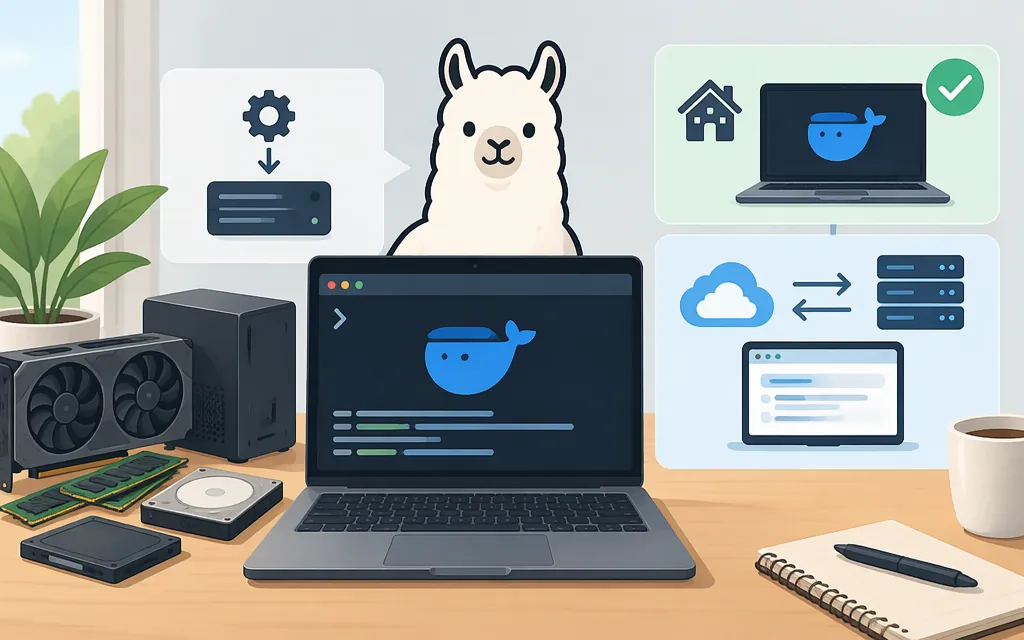
Try the DeepSeek R1 1.5B variant locally with Ollama. Check your computer’s memory and OS requirements, follow the install and run steps, and compare local inference with a hosted API.
There is no current free-user Sora quota: OpenAI discontinued the Sora web and app experiences on April 26, 2026, and the Sora API on September 24, 2026.
What xAI documents about Grok 4.20 Multi-Agent: its model ID, Responses API example, beta status, listed pricing, rate limits, and selection trade-offs.
DeepSeek-V3’s familiar API rates are historical, not a current quote. See the old per-million-token prices, a worked budget calculation, and the models and rates DeepSeek currently lists for its API.
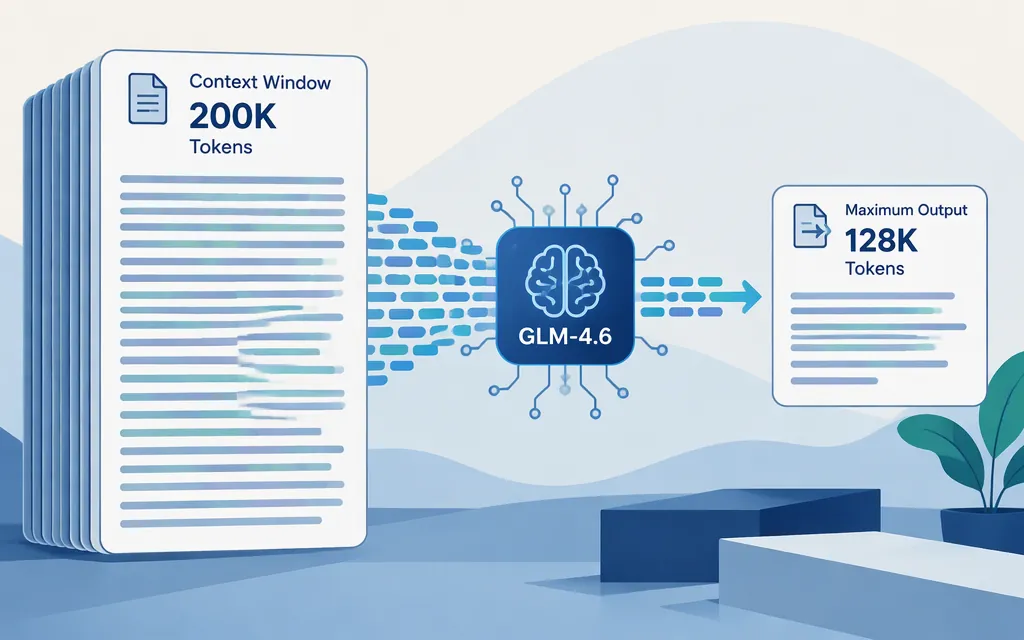
Z.ai documents a 200K context length and 128K maximum output for GLM-4.6. Learn what is documented—and what the docs do not clarify—when sizing an API request.
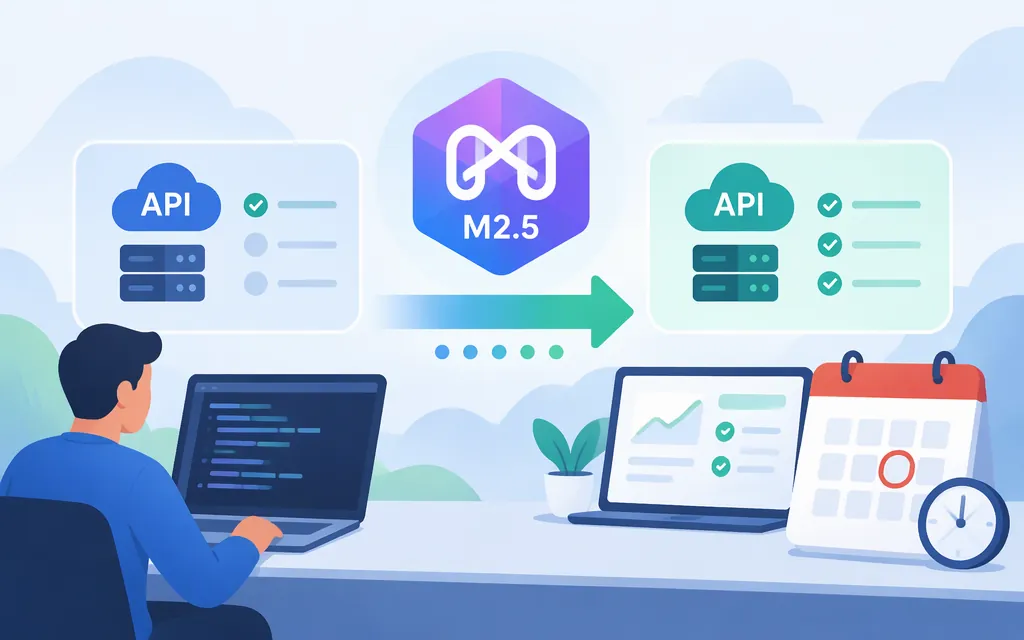
As of November 10, 2026, learn who can still call MiniMax M2.5, when API access is scheduled to end, and how to test an M3.1-Flash replacement.