Image generation
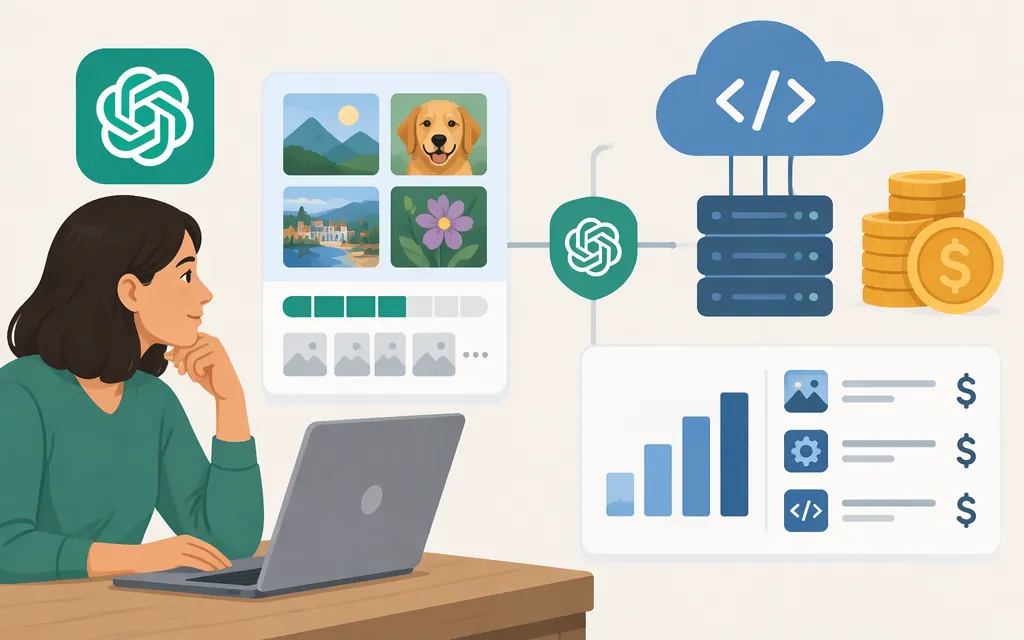
ChatGPT Image API: Generate Images with OpenAI’s API
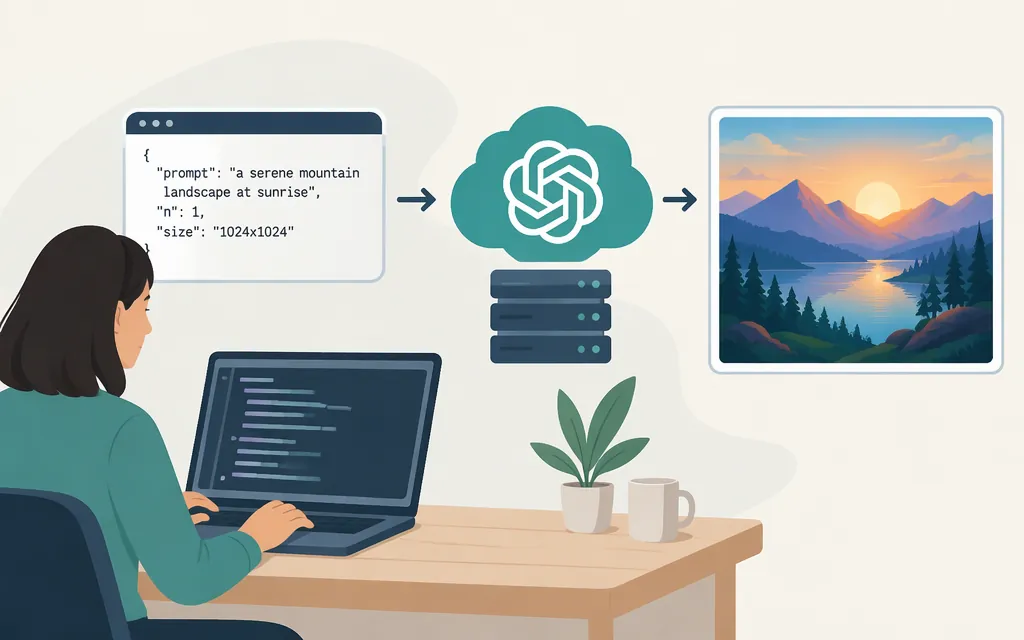
Learn when to use image generation versus image analysis, how to call OpenAI’s image-generation API with Python, and how to choose an API path for a chat-based app.
AI model and infrastructure insights
Learn when to use image generation versus image analysis, how to call OpenAI’s image-generation API with Python, and how to choose an API path for a chat-based app.
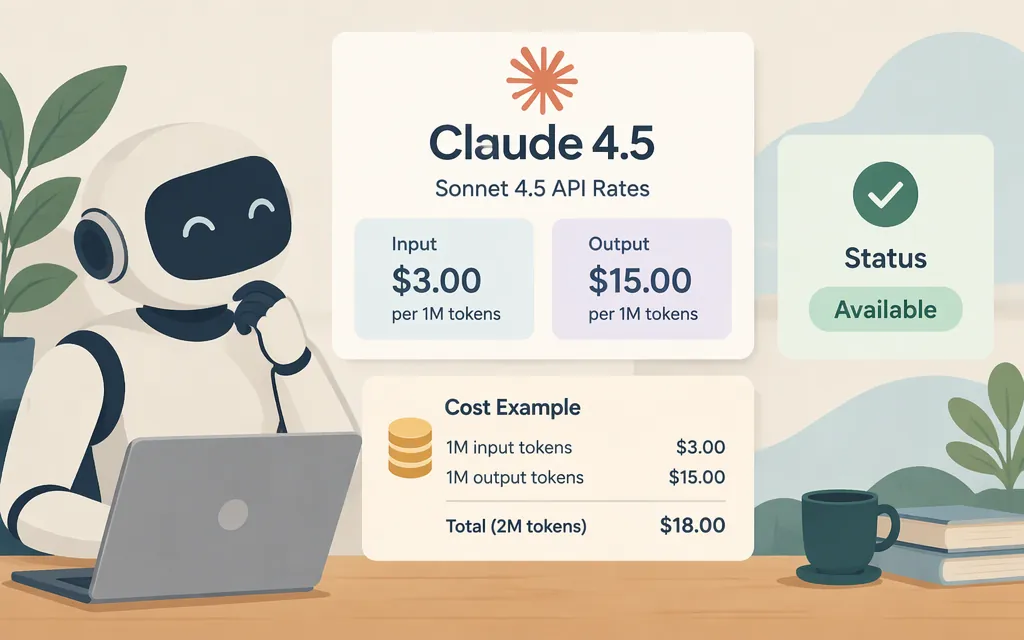
Claude Sonnet 4.5’s standard Anthropic API rates are $3 per million input tokens and $15 per million output tokens. See cache and batch rates, a scoped cost example, production limits, and model status.
GLM-4.7’s standard API is paid, while GLM-4.7-Flash is listed as free on Z.ai. See official per-token rates, a sample cost calculation, and what to check before production.
ChatGPT says image generation may take a few minutes. Learn what affects the wait, when to troubleshoot, and what an image-generation API can—and cannot—offer.
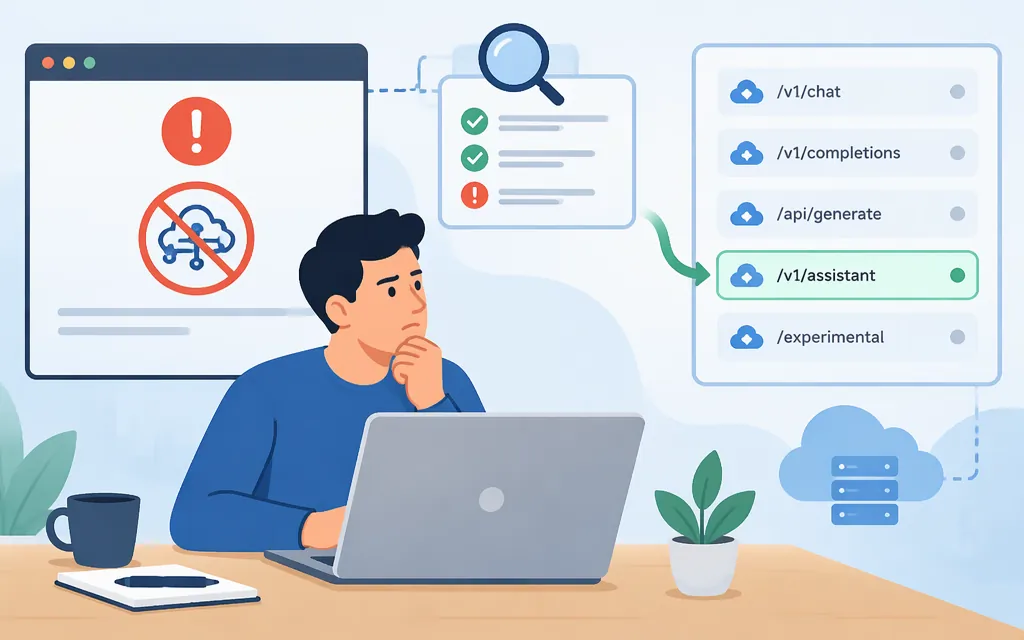
Learn what “no endpoints found” means, distinguish provider filtering from cache-control errors, and verify a DeepSeek API route before using it in production.
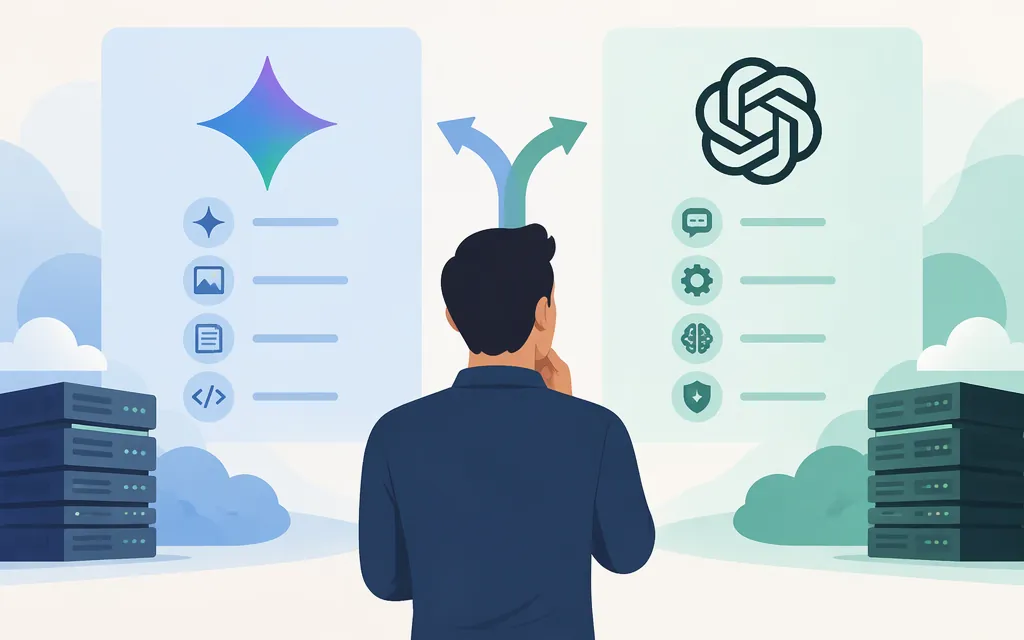
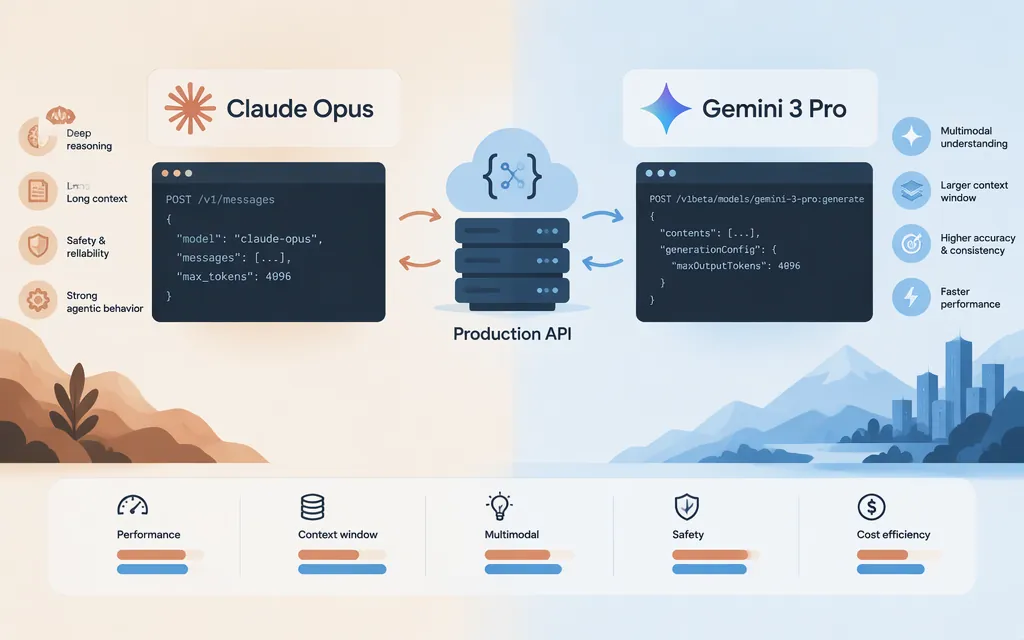
Compare Gemini and OpenAI production APIs by model capabilities, token costs, data handling, and a practical test plan—not consumer subscription features.
Find current Anthropic Claude model IDs, compare model families, and learn how to list available models through the Claude API.
OpenAI’s Free Tier FAQ gives no exact image-generation quota. Learn what it says about limits and resets, and how to estimate image API costs from token usage.
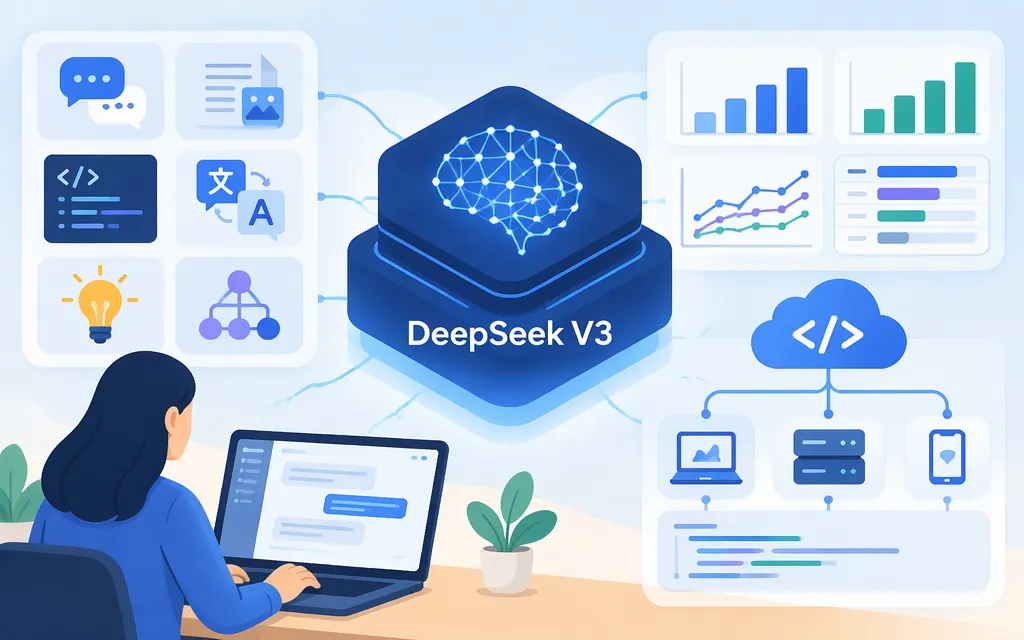
Identify the original DeepSeek-V3, understand what its published evaluations suggest about workload fit, and check a documented production API route for the exact model.
Compare Claude Pro and Team Premium prices, annual billing, higher-use plans, and production API rates in USD.
Compare OpenAI’s advertised fastest API tier with model options for different workloads, account for the higher cost, and learn how to test production latency without claiming a universal winner.
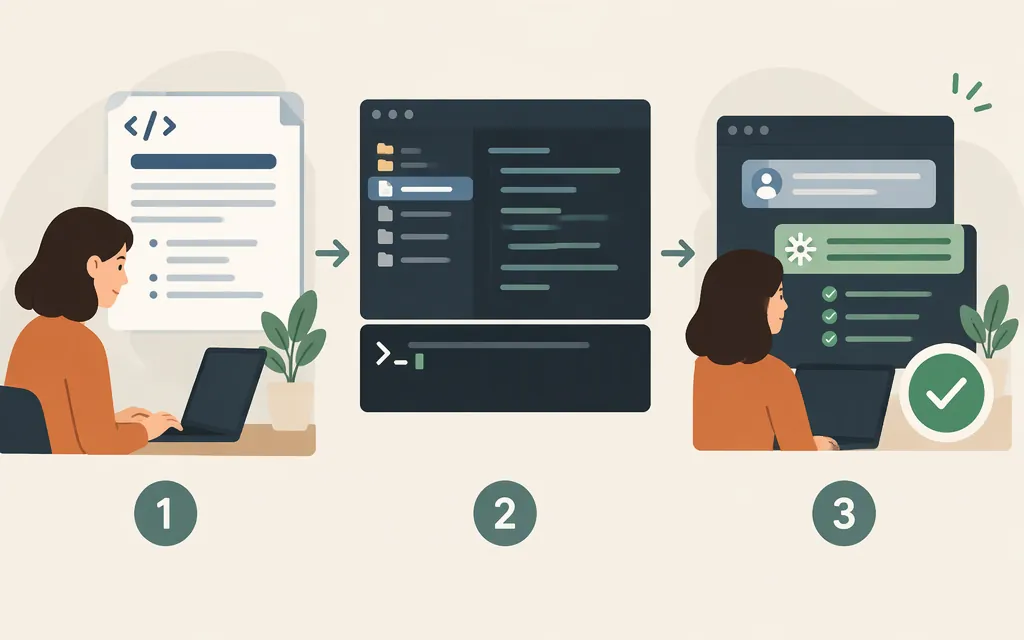
Create a Claude Code Skill with a focused SKILL.md, check whether Claude Code recognizes it, and understand when a separate production API integration is needed.
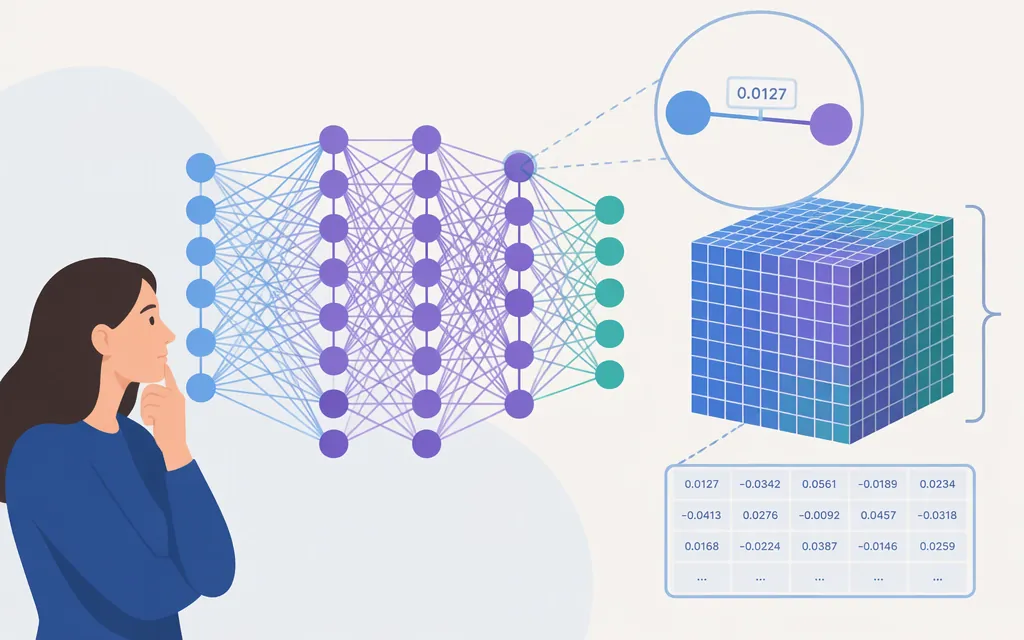
GPT-3’s largest model had 175 billion parameters. Learn how that figure relates to the smaller models in the original study—and why it doesn’t establish current API availability or fit.
Find the current Grok API model to use, send a first authenticated request with the Responses API, and review model pricing, rate limits, and production considerations.
OpenAI says ChatGPT image generation may take a few minutes, depending on request complexity—but gives no fixed maximum or measured average. Learn how to interpret that guidance and assess API latency versus throughput.
Google says the Gemini 3 Pro Preview model on its Gemini API was shut down on March 9, 2026. See the scope of that notice, how its historical comparison differs from a current API shortlist, and how to test alternatives.
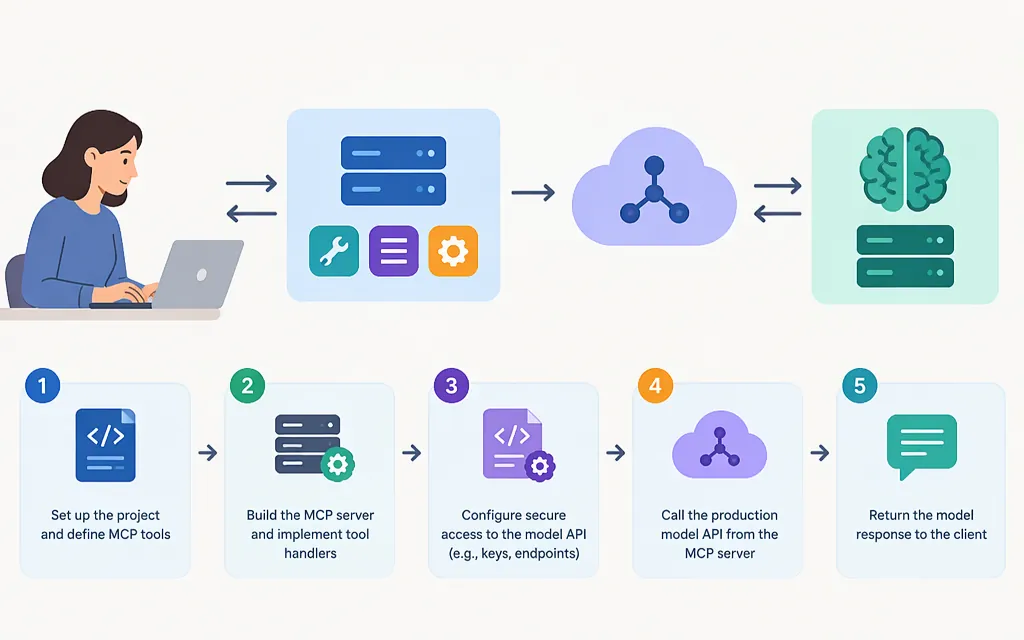
Build a local JavaScript MCP server with the official TypeScript SDK, connect a tool to the OpenAI Responses API, and test it with MCP Inspector. Includes setup, credential configuration, and production limitations.
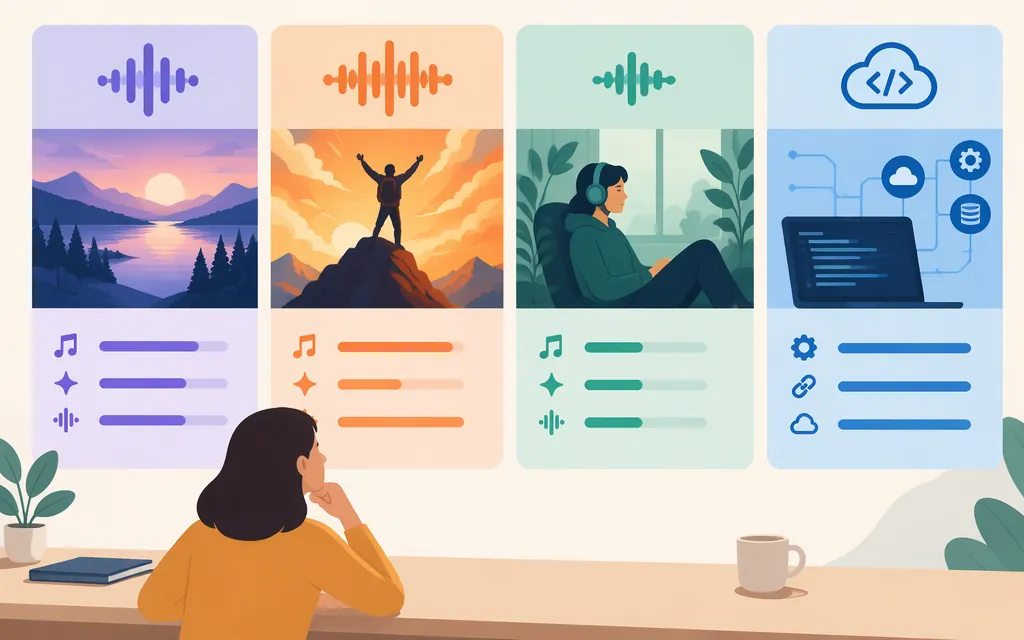
Compare Suno’s v6 models and Custom Models, choose a starting point for your workflow, and distinguish Suno’s beta developer API from a third-party API service.
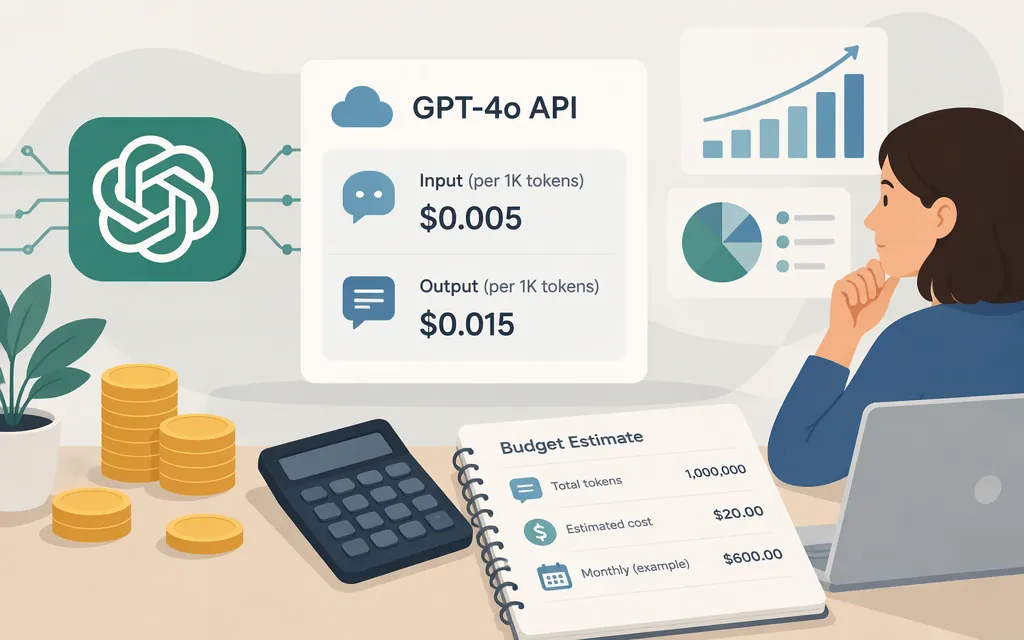
See OpenAI’s standard GPT-4o API token rates, a reproducible text-workload estimate, and how API availability differs from ChatGPT access.
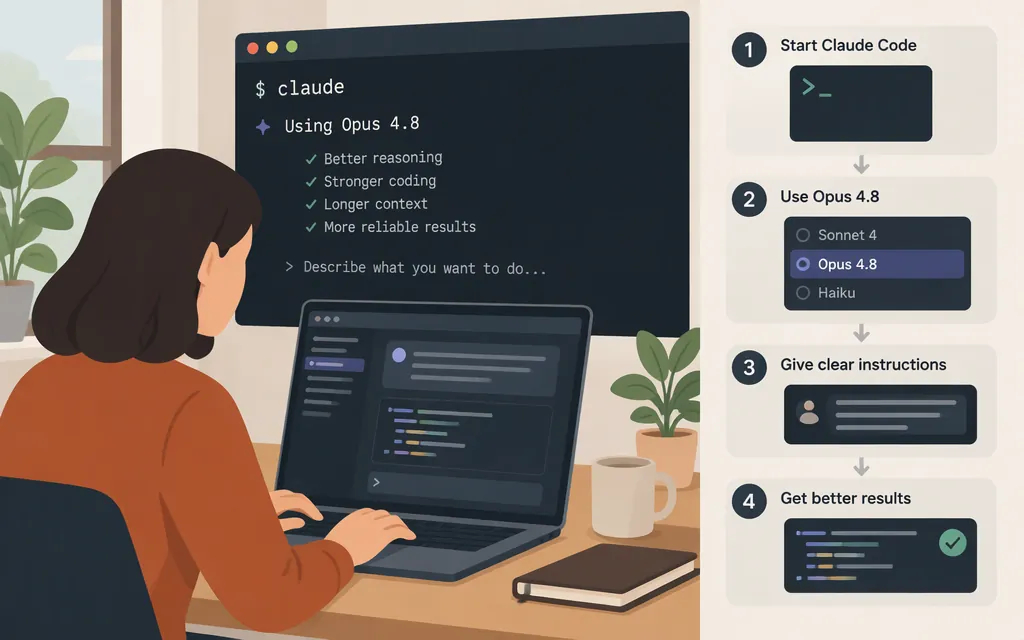
Select Claude Opus 4.8 by its full model name in Claude Code, confirm the active model, and verify coding changes. Includes the version prerequisite and a separate Python API example.
Google’s Gemini app help describes general usage limits but does not give an image-generation count. See how that differs from API quotas and where developers can check them.
Learn what the Grok Imagine web page supports, and follow xAI’s documented API steps to generate or edit images and create, retrieve, and save a video.
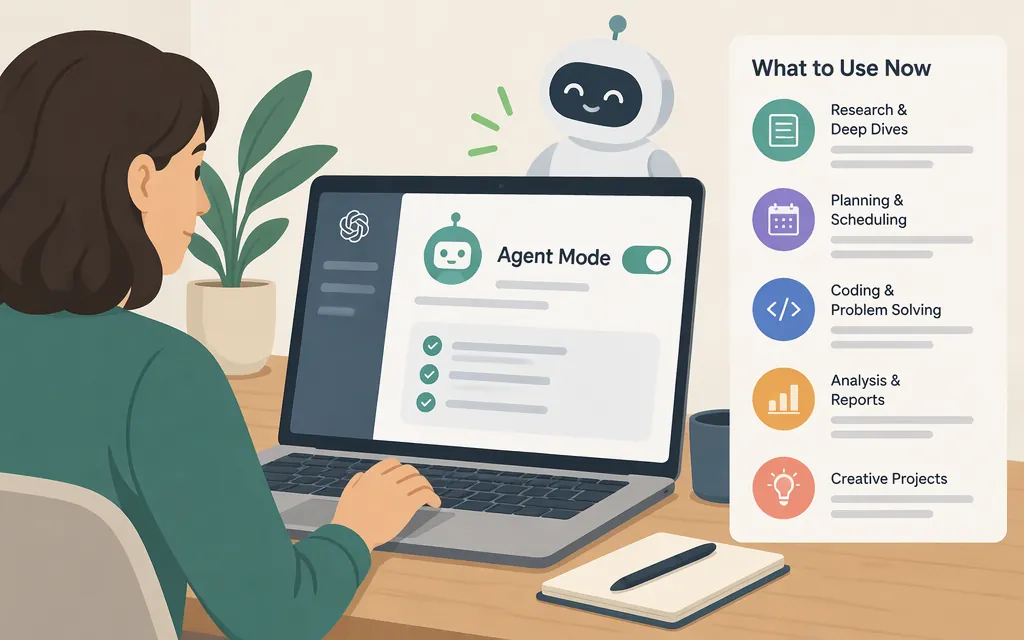
OpenAI says ChatGPT Agent is no longer available. Learn what to use for multi-step tasks instead, how to start in Work when it’s visible, and how that differs from building an agent with an API.
ChatGPT may use location details you share, an approximate IP-based location, or location settings for local results. Learn what to check and how API developers can supply location explicitly.